


All 44 Neighborhoods in Suwon Transition to Resident Autonomy Associations
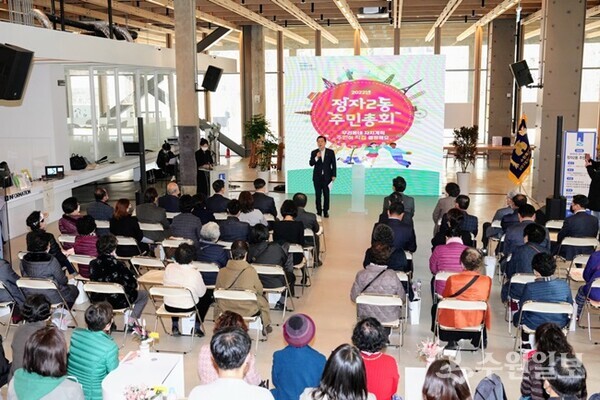
[Suwon Ilbo=Reporter Jeong Jun-sung] Suwon City announced on the 2nd that all 44 neighborhoods have been fully transitioned to Resident Autonomy Associations as Maegyo-dong Resident Autonomy Committee was converted to a Resident Autonomy Association on November 30.
The city began by operating Songduk-dong and Haenggung-dong as pilot neighborhoods for Resident Autonomy Associations in 2013, and from 2019 conducted pilot operations in 8 neighborhoods. Last year, 36 neighborhoods' Resident Autonomy Committees were converted to Resident Autonomy Associations, completing the transition of all neighborhoods.
Resident Autonomy Associations serve as autonomous organizations for neighborhood residents, strengthening residents' autonomous activities. They add authority to function as a substantive resident consultative body to the existing autonomous functions of Resident Autonomy Committees.
Upon conversion to a Resident Autonomy Association, neighborhoods must hold resident assemblies as forums for gathering resident opinions and establish 'neighborhood autonomy plans' that serve as comprehensive plans for neighborhood autonomy-related activities in each neighborhood.
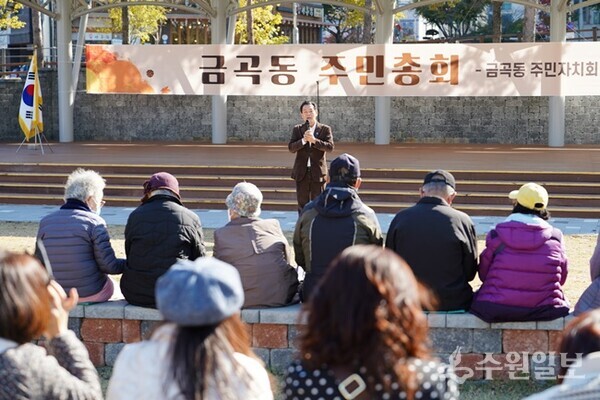
Twenty-eight neighborhoods, including the eight pilot neighborhoods, held resident assemblies in 2022 to determine 2023 Resident Autonomy Association operation and project plans. Starting next year, all neighborhoods will hold resident assemblies. Any resident of the neighborhood can participate in resident assemblies, which serve as 'public forums' for residents to discuss and decide on autonomous activities.
Any resident aged 18 or older who is interested in Resident Autonomy Associations can participate as a member. Members are selected through neighborhood chief recommendations (30%) and public recruitment and public lottery (70%). Resident Autonomy Associations are composed of 20 to 50 members.
With the conversion of Resident Autonomy Committees to Resident Autonomy Associations, starting next year, Resident Autonomy Associations will take the lead in solving neighborhood problems.
Each neighborhood will select new officers upon conversion to a Resident Autonomy Association, determine operating bylaws, establish subcommittees, and operate the Resident Autonomy Association. They will continuously discover neighborhood agendas, hold resident assemblies to gather resident opinions, and establish neighborhood autonomy plans.
In accordance with the full transition to Resident Autonomy Associations, Suwon City plans to launch the Resident Autonomy Association Activation Project from 2023 to support Resident Autonomy Associations. Resident Autonomy Associations can discover and implement projects in various fields including ▲strengthening resident autonomy capacity ▲improving neighborhood environment ▲resident harmony and public relations ▲promoting regional welfare, among others.
The city plans to operate 'neighborhood support coordinators' (2 per district) to support the establishment of neighborhood autonomy plans and the implementation of 'neighborhood living labs' for solving neighborhood problems, and to expand public recruitment projects supporting Resident Autonomy Association activities. The city also operates various educational programs including visiting resident autonomy basic education, communication capacity strengthening education, and visiting resident autonomy schools to continuously strengthen residents' autonomous capacity.
A city official said, "We will actively support Resident Autonomy Associations through the Resident Autonomy Association Activation Project," adding, "We will continuously strengthen residents' autonomous capacity so that residents can take the lead in creating their neighborhoods."