


Contribution <Assassins>: The Pen and Footsteps Questioning the Truth Beyond Gunshots
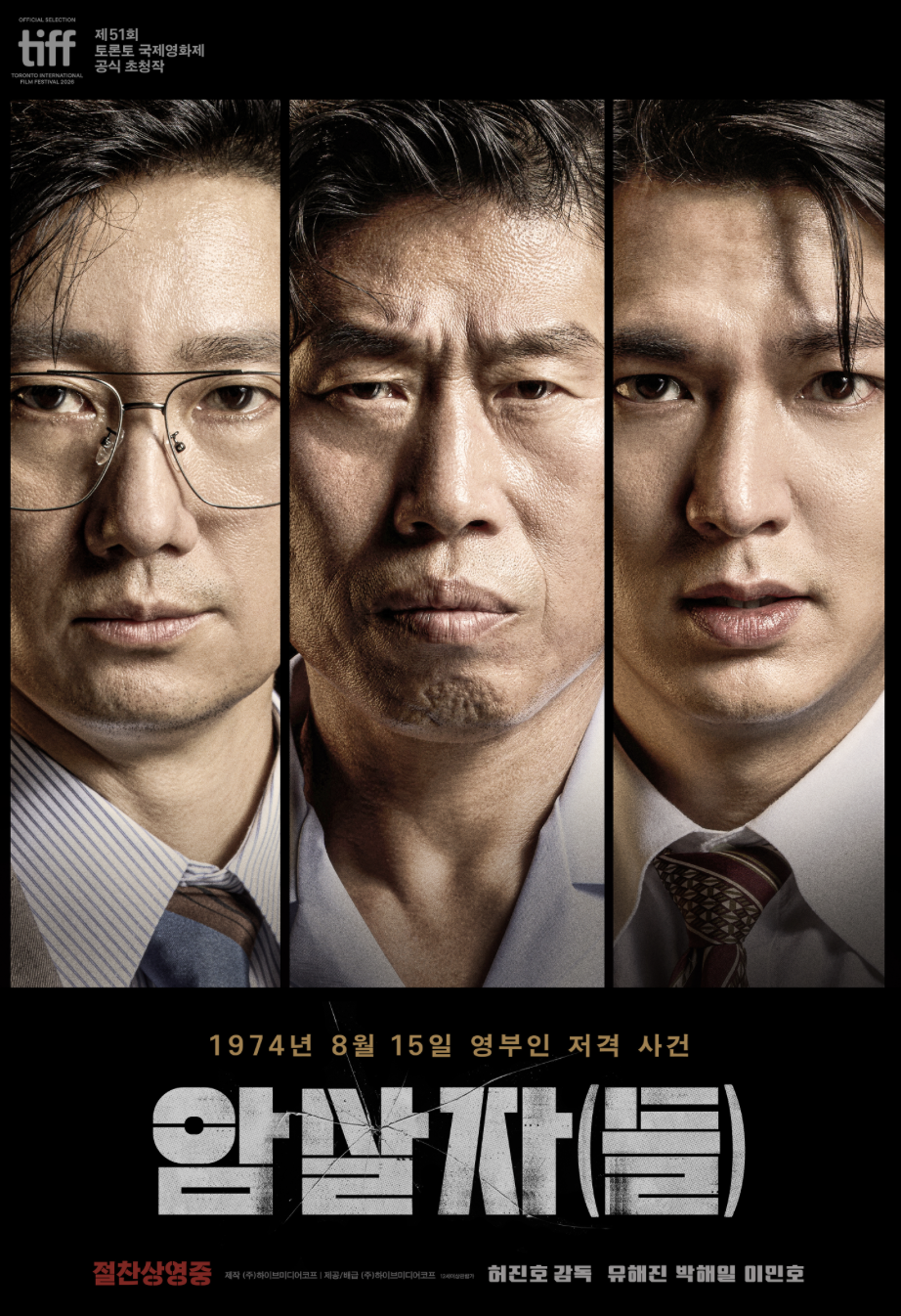
August 15, 1974: the mysterious gunshot that shook the National Theater and the shooting incident involving the First Lady. Drawing from this most tragic true incident in Korean modern history, Director Hur Jin-ho lowers the temperature of the camera. The film <Assassins> climbed to the top of the box office on its opening day and approaches the thriller genre, yet it takes a different path from the type of thriller that relies solely on sensational conspiracy theories and squeezes out dramatic catharsis.
A Chilling Pursuit Born from Precise Observation
Director Hur Jin-ho, who probed the delicate textures of human nature in films such as <Princess Deok-hye> and <An Ordinary Family>, calmly transplants his characteristic restrained perspective into a political thriller. Rather than filling the screen with explosive gunfights or excessive emotions, the film follows the footsteps of Detective Chul-gu (played by Yoo Hae-jin), who detects anomalies at the scene; society section editor Jae-hwan (played by Park Hae-il), who persistently pursues the truth; and rookie reporter Young-il (played by Lee Min-ho), layering the characters' anxiety and pressure upon one another. Over the course of 131 minutes, the chilling density that dominates the screen pulls the audience into the suffocating air of the 1970s.
The Face of an Era Captured by Three Actors
The foundation upon which this film gains both critical and commercial support rests on the actors' convincing performances.
Yoo Hae-jin, playing Detective Chul-gu who witnessed the crime scene, places a character caught between harsh pressure from superiors and the conscience of an ordinary citizen upon a genuinely realistic sense of everyday life. Park Hae-il, who takes on the role of society section editor Jae-hwan, portrays the professional consciousness of a journalist with depth and restraint through a persistent yet calm gaze, anchoring the film's center. Meanwhile, Lee Min-ho, playing rookie reporter Young-il, sheds his previously stereotyped image and maturely demonstrates the fresh directness of a character confronting the weight of the era and a rigid system.
From "Who Fired the Shot" to "How Shall We Watch Over It"
The true merit of this work, which first garnered attention overseas after winning the audience award at the 51st Toronto International Film Festival, lies in its refusal to be crushed under the immense weight of the true story. Rather than merely consuming the incident through conspiratorial adaptation, the film directly confronts the inner worlds of those who had to stand before a great historical tragedy. The reason engagement is maintained despite already knowing the outcome is that the questions the film poses do not stop in the past but reach clearly to today's audiences living within the relationship between media and power.
<Assassins> is a valuable achievement garnered by Korean cinema this year, elegantly and profoundly capturing the passionate footsteps of those who gazed upon an era.
• One-line Review: A power more chilling than the finger on the trigger; the pen and footsteps that directly confront its dark machinations.
• Rating: ★★★★☆ (4.0 / 5.0)