


Osan City Secures 540 Million Won in National Funds for Health Center Construction
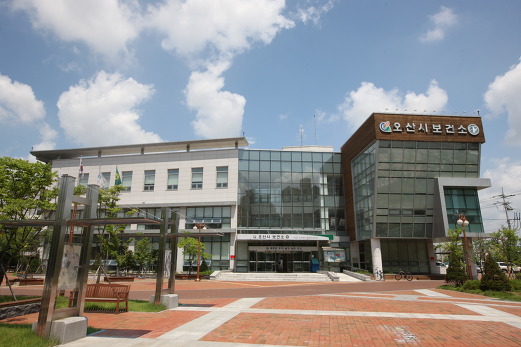
Osan City in Gyeonggi Province (Mayor Kwak Sang-wook) has achieved the feat of securing 540 million won in national funds for the construction of a health clinic (hereinafter referred to as Healthy Lifestyle Support Center) as it was selected first among Gyeonggi Province municipalities in the Ministry of Health and Welfare's 2014 public recruitment for new Healthy Lifestyle Support Centers.
The Ministry of Health and Welfare amended the Regional Health Act last year with provisions to integrate and operate existing urban health clinics as Healthy Lifestyle Support Centers, and as a follow-up measure, it announced a public recruitment for new Healthy Lifestyle Support Centers. Osan City achieved the distinction of being the first among Gyeonggi Province municipalities selected following the legal amendment.
The Healthy Lifestyle Support Center is scheduled to be built with a total budget of 810 million won, comprising 540 million won in national funds and 270 million won in city funds, within a newly constructed Sinjang-dong Community Center building in Geumam-dong, with a total floor area of 500 square meters.
The newly constructed Healthy Lifestyle Support Center will employ a total of seven personnel including doctors, nurses, exercise physiologists, and nutritionists who will carry out healthy lifestyle promotion projects such as smoking cessation and drinking reduction initiatives, chronic disease management projects for hypertension and diabetes, and support programs for pregnant women and couples facing infertility issues.
A health center official stated, "Through the construction of this Healthy Lifestyle Support Center, we aim to establish public health infrastructure in the fields of healthy lifestyle promotion and chronic disease management, which will contribute to improving residents' health and preventing diseases," and added, "We also expect to resolve inconveniences for residents in the Segyo district and facilitate accessibility for vulnerable populations including low-income families, people with disabilities, seniors, and pregnant women, thereby enabling fair and equitable health care services."