


28-Year 'Personnel Showdown' Between Gyeonggi Province and Municipal Governments Over Deputy Chiefs
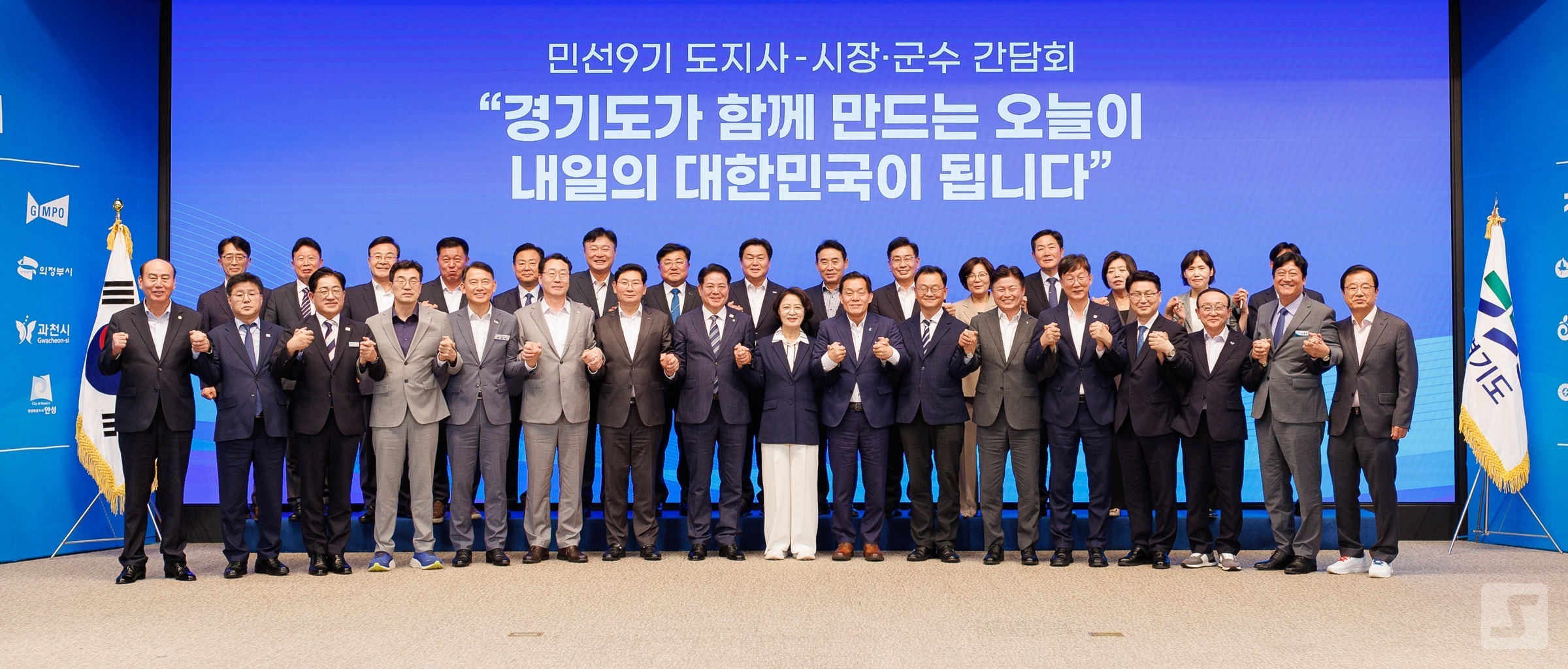
The tug-of-war between Gyeonggi Province and municipal governments over personnel appointments for deputy mayors and deputy county chiefs—the 'second-in-command' in municipal administration—is not a recent phenomenon.
Even after deputy executives were converted to local civil servants, allowing mayors and county chiefs to directly appoint them, the practice of transferring high-ranking provincial officials to municipal deputy executive positions has solidified as customary procedure, creating a decades-long gap between legal appointment authority and actual personnel practice.
In this process, some municipalities have repeatedly clashed with the province by directly exercising their legally granted appointment authority or rejecting the existing personnel exchange system.
In 2006, when the previous deputy mayor of Gunpo stepped down, the city promoted a city-level secretary to assistant director level and appointed him as deputy mayor.
Gunpo argued there was no legal issue since the appointment authority for deputy mayors rests with the mayor under the Local Autonomy Act. However, the province objected to the personnel move that departed from existing exchange practices, bringing the conflict into public view.
At the time, provincial officials raised points about provincial funding support, task coordination, and policy reflection of municipal proposals, suggesting that continued friction with the province could create difficulties in normal municipal administration.
Behind the conflict over deputy executive positions lay the issue of personnel management among provincial high-ranking officials.
The province has long operated personnel exchanges by sending bureau-level or department-level high-ranking officials to municipal deputy executive positions and recalling those deputy executives back to provincial department or bureau chief positions after a certain period of service.
Examining past provincial regular personnel appointments reveals that provincial bureau chiefs moved to municipal deputy mayor positions, and existing deputy mayors were repeatedly reassigned back to provincial bureau chief or headquarters director roles.
Deputy mayor and deputy county chief positions thus functioned both as bridges connecting the province and municipalities, as well as major career paths for provincial high-ranking officials.
There were also practical benefits for municipalities in accepting provincial-origin deputy executives.
When high-ranking officials well-versed in provincial policy, budgets, and organizational structure held deputy executive positions, it could be advantageous in securing provincial funds, coordinating regional projects, and handling matters requiring provincial coordination such as urban planning, transportation, and development.
However, as this personnel exchange became entrenched over the long term, continued criticism emerged that the appointment authority legally held by mayors and county chiefs operated limitedly in practice.
More recently, Guri raised concerns about the existing system.
After the launch of the 8th Popularly Elected administration in 2022, Guri pursued open-term deputy mayor recruitment instead of the existing province-centered deputy executive personnel exchange. However, the Ministry of Interior and Safety and the Legislative and Judicial Research Institute determined the approach lacked legal basis.
Subsequently, Guri requested one-on-one personnel exchange with the province, but the parties found no common ground, and the deputy mayor position remained vacant for approximately three years. Finally, after agreeing to personnel exchange with the province last year, Deputy Mayor Eom Jin-seob took office, ending the prolonged vacancy.
There are untold stories not made public.
Reports suggest that Suwon also engaged in behind-the-scenes negotiations with the province over deputy mayor appointments in the early 2000s.
According to former public officials familiar with the situation at the time, when the city considered appointing its own deputy mayor during Mayor Shim Jae-deok's tenure, the province expressed reluctance, and when the issue of provincial funding contributions to the Suwon World Cup Stadium Management Foundation was also raised, the two sides clashed behind the scenes.
Ahead of the 2002 Korea-Japan World Cup, the management of Suwon World Cup Stadium and foundation contributions were important issues for both the province and the city. As conflict over deputy mayor appointments became intertwined with the foundation funding issue, the city found it difficult to push forward with independent appointment, according to officials familiar with the situation at the time.
Gunpo, which publicly appointed its own deputy mayor, and Guri, which raised concerns about the existing personnel exchange system, ultimately could not escape the existing exchange framework with the province. Suwon likewise remained at the stage of considering self-appointment, according to officials at the time.
The nearly 28-year deputy executive personnel conflict manifested in the opposite manner this year.
Whereas in the past conflicts arose when municipalities first attempted to exercise their legal authority, this time the province delayed deputy executive personnel appointments until January of next year citing organizational restructuring, leaving deputy positions vacant.
Some municipal leaders publicly criticized the province's decision to delay deputy executive appointments and demanded prompt personnel action. However, despite having the legal authority to directly appoint, there has been no actual self-appointment, reflecting the precedent of past conflicts with the province or acceptance of prolonged vacancies.