Suwon Sells Emission Credits for First Time in 9 Years Since Greenhouse Gas Emissions Trading System Implementation
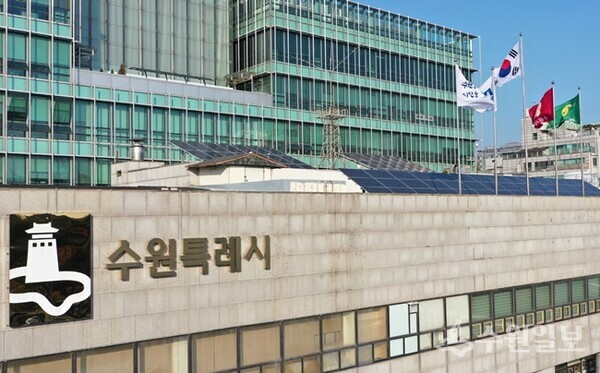
[Suwon Ilbo=Reporter Jung Jun-sung] Suwon Special City announced on the 19th that it has achieved the accomplishment of selling emission credits for the first time in 9 years since the implementation of the 'Greenhouse Gas Emissions Trading System' in 2015.
Last year's greenhouse gas emissions from 10 allocated facilities under the city's emissions trading system totaled 177,623 tons, which was 6.5% lower than the total allocated amount of 190,092 tons.
The city, which secured 12,469 tons of surplus emission credits, settled the 2,645 tons borrowed in 2022. It carried over 7,392 tons and sold 2,432 tons.
The city, which emitted 191,286 tons out of a total allocated amount of 199,584 tons in 2022 and secured surplus emission credits of 8,298 tons, has secured a large volume of greenhouse gas emission credits for two consecutive years. The emission credits secured in 2022 were used to settle borrowed amounts from 2021.
Greenhouse gas emissions from the city's allocated facilities under the emissions trading system decreased by 29% in five years, from 289,253 tons in 2018 to 177,623 tons in 2023.
The Greenhouse Gas Emissions Trading System, which has been in effect since January 2015, is one of the government's core strategies for reducing national greenhouse gas emissions. The system allows local governments and companies to purchase, borrow, sell, or carry over emission credits by allocating annual emission allowances to local governments, companies, and others.
Local governments participate in the greenhouse gas emissions trading system on equal terms with general companies under the status of waste treatment operators. Suwon City has 10 environmental infrastructure facilities including public sewage treatment plants as mandatory subject facilities.
Emission allowances are allocated to each operator for each planning period, and the current third planning period (2021-2025) is underway. In the third planning period that began in 2021, allowances were allocated at 21.6% reduction compared to the baseline, which is the most stringent reduction figure among all planning periods to date.
From 2018 to 2021, the city exceeded its target emissions and borrowed emission credits for the following year or invested budget to purchase emission credits. Since the waste sector is absolutely affected by population in emissions calculations, Suwon City, which has experienced steady population growth, found it inevitable to purchase emission credits.
Starting in 2022 when the eighth elected term began, the city made efforts to realize carbon neutrality in the public sector and consistently reduced greenhouse gas emissions.
Public sewage treatment plants replaced outdated equipment to improve facility efficiency and increased BOD (Biochemical Oxygen Demand) sludge recovery to lead efforts in reducing greenhouse gas emissions.
Additionally, the city designated personnel responsible for emissions trading at each facility and conducted periodic monitoring with professional consulting companies. Solar power generation facilities were also continuously expanded. Plastic separation and collection increased, and facilities such as water supply facilities and food waste composting facilities improved their systems to reduce greenhouse gas emissions.
A city official stated, "We will continue to promote waste reduction projects, replacement of aging facilities, and introduction of renewable energy," and added, "We will strive to reduce greenhouse gas emissions and advance as a city leading carbon neutrality."