Hwaseong City Confirms 2nd Supplementary Budget of 371.4 Billion Won for 2025...Total Budget Surpasses 4 Trillion Won
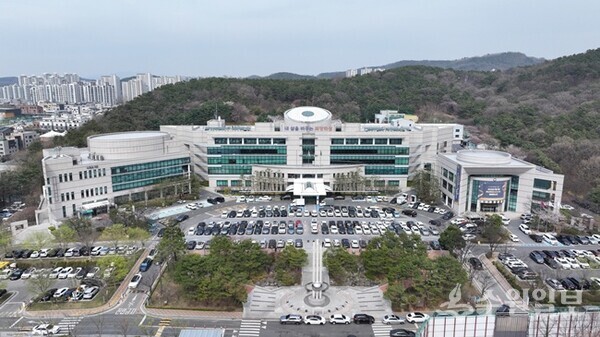
[Suwon Ilbo=Reporter Park Chan-hyuk] Hwaseong Special City announced on the 13th that it has confirmed the 2nd supplementary budget of 371.4 billion won for 2025. As a result, the city's total budget has expanded to 4 trillion 60.3 billion won.
This supplementary budget focuses on 'stabilizing livelihoods and recovering the local economy,' with budget concentrated on direct support projects such as expansion of consumption vouchers and local currency issuance that citizens can feel directly. Additionally, budget for preparation for the transition to a district office system following the approval of general district establishment on August 22 was also reflected.
First, 149.6 billion won was allocated for livelihood recovery consumption vouchers to revitalize the local economy, and 18.3 billion won was allocated for additional issuance of local currency. A preparation budget of 12.5 billion won for the district office system and securing office space was reflected.
In addition, a total of 22.4 billion won will be invested in expanding social infrastructure (SOC) such as roads and rivers and preparing for heavy snow in winter, including △3 billion won for land compensation for Line 1 of the Municipal Trunk Road △1.6 billion won for road expansion and construction between Sugi and Bucheon △4.3 billion won for small stream maintenance. Additionally, 13.2 billion won was allocated to △snow disaster countermeasures including securing snow removal materials and snow removal work.
For culture and tourism, a total of 17.9 billion won was reflected, including △5.9 billion won for land compensation for the Municipal Art Museum △4.75 billion won for the Uli Flower Garden expansion project △4.5 billion won for construction of the West Coast Golden Coastal Road.
In the welfare sector, a total of 9 billion won was allocated, including △2.2 billion won for childbirth support △2.4 billion won for free school meals △325 million won for support of menstrual products for women and adolescents.
For the transportation sector to ensure citizens' mobility rights, a total of 10.6 billion won was allocated, including △1.26 billion won for increased service during rush hours △1.5 billion won for operation of transportation-disadvantaged population mobility support centers △725 million won for public transportation management operating expenses △6 billion won for cargo vehicle fuel subsidies.
Mayor Jung Myeong-geun said, "This supplementary budget is focused on revitalizing the local economy and improving citizens' quality of life," and added, "We will efficiently execute the budget so that tangible changes that citizens can feel are realized."