Use Your High Oil Price Relief Fund by August 31st!
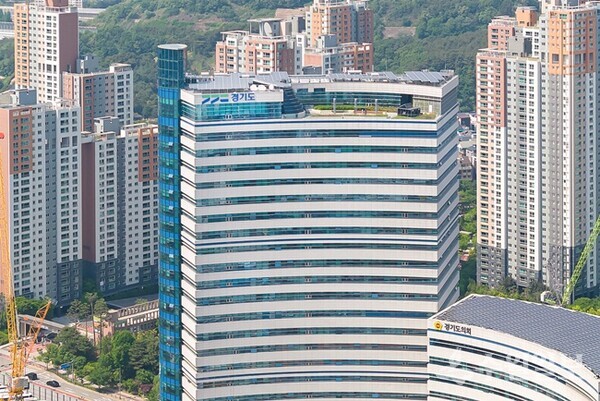
[Suwon Ilbo=Kim Gab-dong Reporter] The High Oil Price Relief Fund, distributed to alleviate the financial burden of residents facing difficulties due to high oil prices, concluded on July 3rd with a 97.5% distribution rate.
Gyeonggi Province announced on the 6th that following the first round of distribution targeting vulnerable groups that began on April 27th, 9.125 million residents, representing 97.5% of 9.363 million eligible recipients across the first and second rounds, received 1.1955 trillion won in relief funds.
By city and county, Gapyeong County, Osan City, and Gwangmyeong City recorded the highest distribution rates.
In particular, the first round eligible recipients, including basic livelihood recipients and near-poor households, achieved a high distribution rate of 99%. This is attributed to the province's active implementation of application promotion and door-to-door application services centered on vulnerable groups in cooperation with 31 cities and counties.
The High Oil Price Relief Fund not only reduced household burdens for residents but also generated effects in promoting local consumption. According to data from the Ministry of SMEs and Startups released on June 29th, analysis of small business sales in Gyeonggi Province during the three-week period from May 18th to June 7th, when the second round of High Oil Price Relief Fund distribution began, showed a 9% increase compared to the same period last year.
Meanwhile, the distributed relief funds can be used until August 31st, and any remaining balance after the deadline will automatically expire. According to the province, as of July 3rd, the usage rate of distributed relief funds is approximately 88.6%.
Kim Jin-hyo, Director of the Welfare Policy Division at the Province, said, "While the distribution of the High Oil Price Relief Fund concluded on July 3rd, the usage deadline extends to August 31st, so we urge residents to use the funds by the deadline," and "Going forward, we will carefully monitor civil livelihoods to stabilize residents' lives and recover the local economy."