Osan City Without Welfare Blind Spots, We Will Examine Every Corner
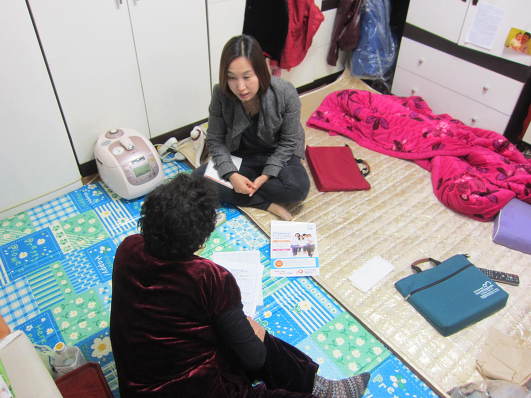
Discovery targets for vulnerable groups in welfare blind spots include households with discontinued utilities—electricity, water, gas—(households with arrears of three months or more), households with health insurance premium arrears for the past six months, and households rejected due to exceeding the standards for support obligation among applicants for basic livelihood assistance recipients.
Additionally, socially vulnerable groups living in welfare blind spots such as under overpasses, sheds, parks, restrooms, areas near stations and terminals, vinyl houses, beneath bridges, abandoned houses, and containers are also included as discovery and support targets.
To actively discover vulnerable groups in welfare blind spots, the city plans to closely cooperate with six-dong neighborhood community centers, visiting nurses, elderly caregivers, disability activity assistants and other visiting personnel, private organizations in the region, neighborhood leaders, and welfare committee members to actively discover additional households in welfare blind spots.
For vulnerable groups discovered through this survey, the city will connect and support public resources such as guidance on basic livelihood security system applications, prioritized care for near-poor households, emergency support, and integrated case management support. Furthermore, it plans to actively cooperate and mobilize available resources with private organizations in the region to prioritize support for beneficiaries and make an all-out effort to eliminate welfare blind spots.
An official from Osan City stated, "Through this winter preparedness discovery of socially vulnerable groups in welfare blind spots, we will actively work to discover beneficiaries in need of community assistance but not receiving appropriate services, provide customized services, and bring hope of welfare blind spot elimination and better lives to the beneficiaries."