



My Tax Case Lent for Free, but Taxed as If Paid
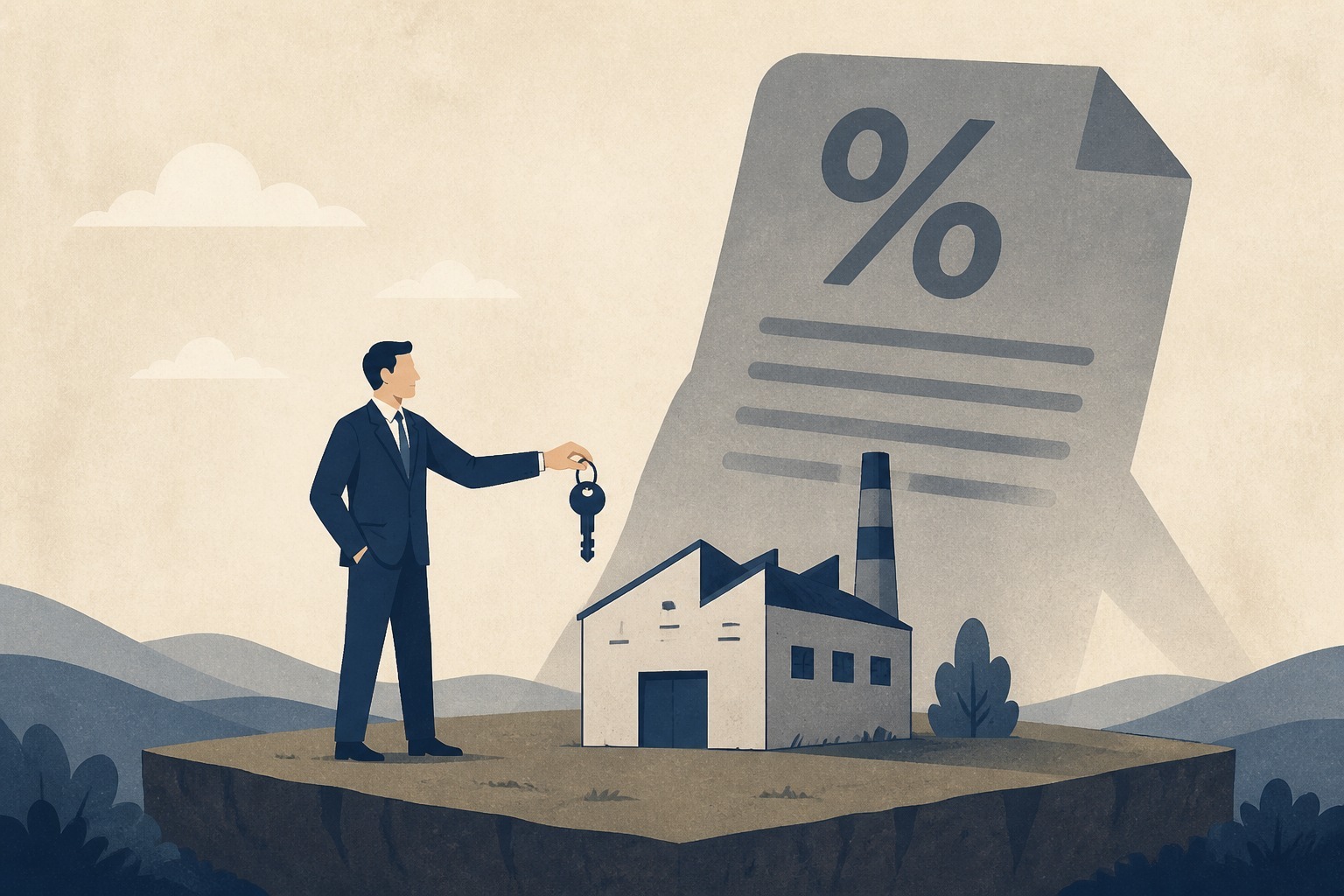
#. Park, the CEO of a manufacturing company in southern Gyeonggi Province, built his company factory on land in his own name. He did not execute a lease agreement. He thought it odd for his company to pay rent for using his own land. When the company faced financial difficulties, he also viewed it as "the CEO helping the company." Five years later, during a tax audit, he received a comprehensive income tax notice for five years' worth of unpaid rental income he never received. Surcharges were added, and value-added tax was separate.
The basis for imposing taxes on money never received is the "disallowance of unreasonable transaction treatment" under the Income Tax Act. When it is determined that special-related parties engaged in transactions that improperly reduced tax burden, tax authorities ignore the actual transaction and recalculate income based on fair market value. The CEO and his company are a typical special relationship under tax law. Lending the land for free may have been well-intentioned, but in the eyes of tax law, it is viewed as "forgoing the opportunity to receive rental income equal to fair market value." Therefore, the rental income that should have been received is brought back to life as the CEO's real estate rental income.
Case Timeline: From Unpaid Money to Tax Assessment
△Startup Phase = CEO's personally owned land used to construct company factory. No lease agreement, no rental payments exchanged △Five Years = CEO reported no rental income and excluded it from comprehensive income tax filing △Tax Audit = During corporate integrated investigation, land registry and corporate financial statements are cross-referenced, revealing special-relationship rent-free lease △Assessment = Appropriate rental income (fair market value) is calculated using the formula prescribed by tax law, five years of income retroactively recalculated. Surcharges added due to no-report status △Additional Levy = Rent-free real estate lease to special-related parties is also taxed as provision of services under the Value-Added Tax Act, resulting in value-added tax collected separately from income tax
The More "Personal" the Transaction, the More a Contract is Needed
It is not without room for argument. How appropriate rental income was calculated and whether there were deposits or other forms of actual consideration can be examined in appeals. However, the structure itself is difficult to avoid. The proper procedure is to execute a lease agreement at fair market value rates from the start and exchange rental payments. The CEO reports rental income, while the corporation treats rental payments as expenses. In many cases, the total family tax burden ends up cheaper than free, as the corporation's tax burden decreases. Free rent turned out to be the most expensive option.
Tax law does not distinguish between family and outsiders; rather, it applies the outsider standard all the more to family and company transactions. The more personal the transaction with my company and family, the more contracts and fair market values are needed. Good intentions are not a defense against taxation.



Loading comments…