



Feature Suwon Urban Foundation Connecting Urban Spaces in the City...Enhanced Completion of City Administration
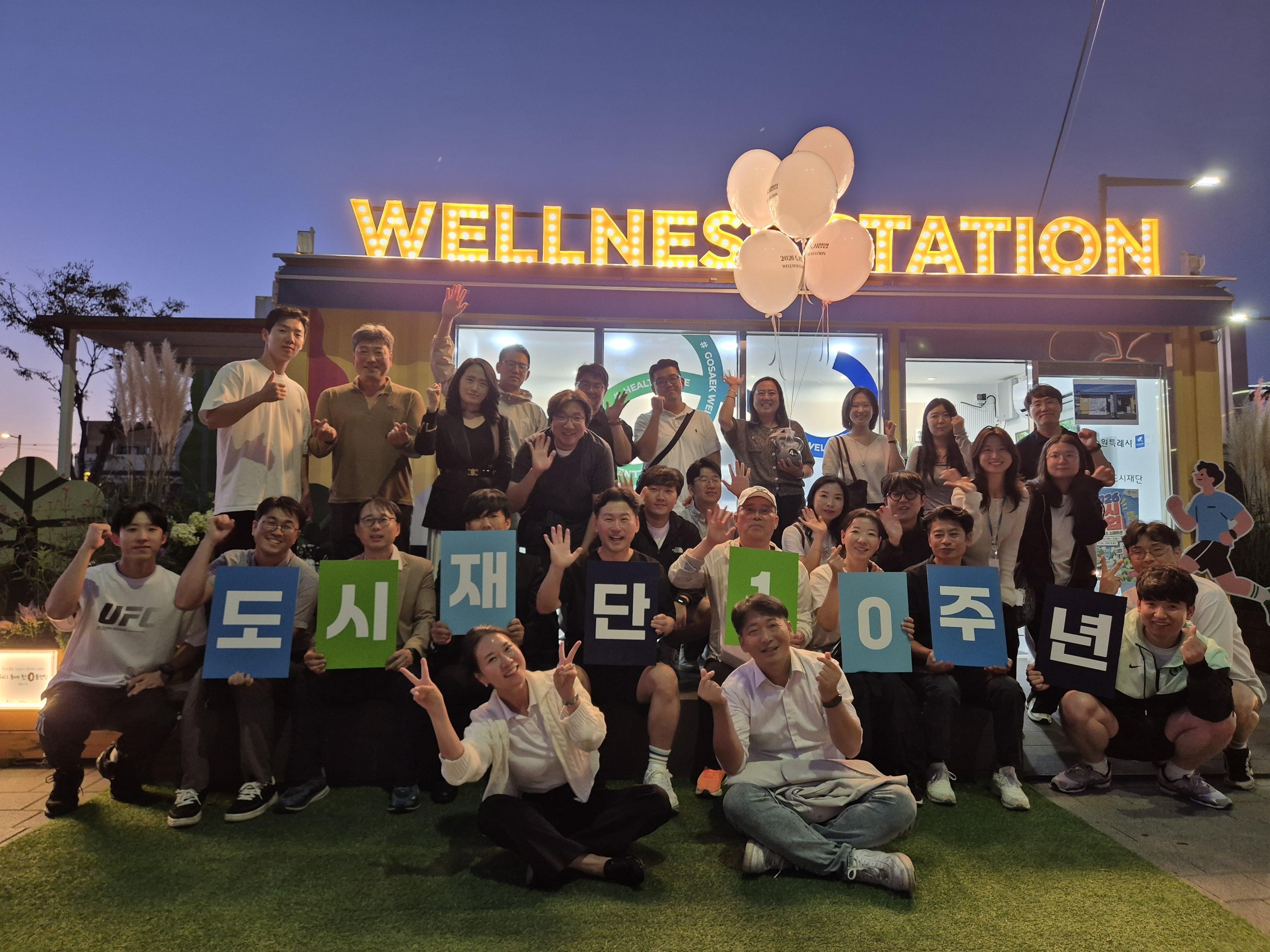
Problems within neighborhoods, alley commerce, and urban residents' lives—topics where clear answers are difficult to find. The "Suwon Urban Foundation," which has undertaken the implementation of various policies, seeks answers to these questions. Let us trace the 10-year journey and achievements of the Suwon Urban Foundation, which has worked in step with Suwon citizens as a partner solving the diverse problems they encounter in urban living.
Suwon Urban Foundation's 10-Year Journey
The foundation marks its 10th anniversary. When it was established on October 1, 2016, its name was the "Suwon Sustainable City Foundation." After about a year of preparation to address complex urban issues and improve citizens' quality of life, it launched as the city of Suwon's 11th collaborative organization.
Initially, the Suwon Urban Foundation focused on village development, urban regeneration, residential welfare, startup, and social economy. Since 2018, it has expanded its business areas to environmental sectors, and from 2020 onward, to support for enterprises and commerce. In 2021, it changed its name to Suwon Urban Foundation and solidified its position as a partner in Suwon city administration and a pacemaker for Suwon citizens' urban living.
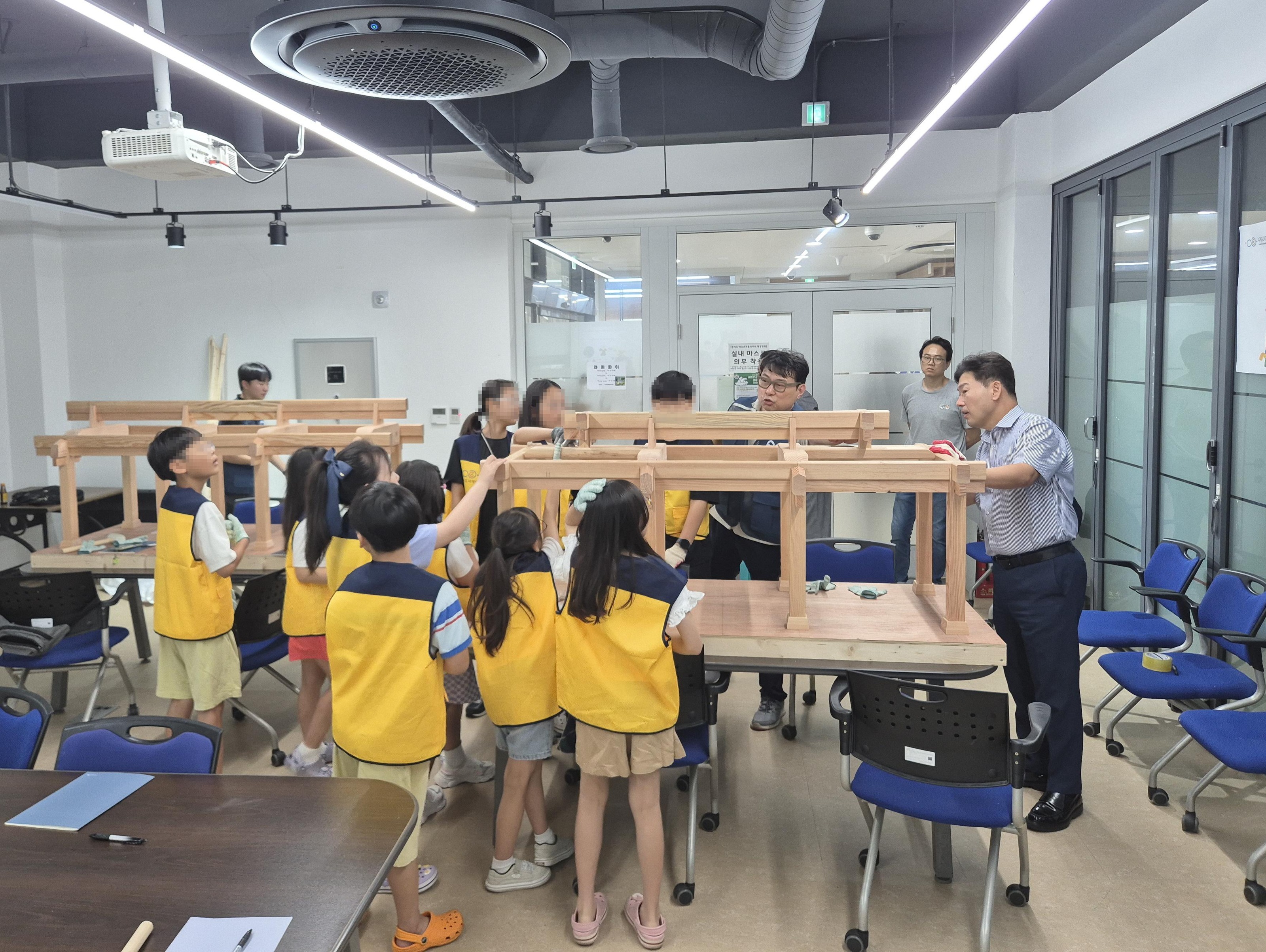
Currently, the Suwon Urban Foundation consists of the Management Strategy Division, Urban Division, and Economic Division. The Urban Division comprises the Village Self-Governance Support Center, Urban Regeneration Support Center, Environmental Sustainability Center, and Residential Welfare Center, which implement services for citizens in each field. The Economic Division operates three centers—the Commerce Activation Center, Startup Support Center, and Social Economy Support Center—aimed at revitalizing the local economy. Additionally, the Suwon Urban Foundation supports the operation of 13 urban regeneration hub facilities, 10 economic entity incubation spaces, 2 social economy sales facilities, and approximately 30 residential welfare spaces including Suwon Human Housing.
The Suwon Urban Foundation has received both internal and external recognition for its achievements through 10 years of diverse project implementation. Notable examples include the 2023 Suwon City Public Institution Innovation Achievement Award, the 2024 7th Korean Housing Welfare Culture Award, and the 2025 Korean Urban Regional Innovation Industry Expo Promotional Marketing Award. Major awards continue to accumulate annually, establishing the foundation as an innovative collaborative organization.
This year, marking its 10th anniversary, the Suwon Urban Foundation's focus is on "collaboration." It emphasizes strengthening efficiency and completion through collaborative efforts. The goal is to strengthen cooperation across departments within the organization, between administration and related institutions, and linkages with citizen networks. Through this, the foundation aims to develop as an intermediate support organization and platform that organically connects diverse stakeholders.
Shaping Self-Governance and Residential Welfare Centered on Residents, Establishing Suwon's Identity
Over the past 10 years, the foundation can point to its continuous exploration of directions where neighborhoods coexist through resident autonomy, village autonomy, urban regeneration, residential welfare, and home repairs.
The foundation has supported various resident participation-based projects, including "village development" where residents become the subject of village autonomy and "village living labs" where communities discover village problems and find solutions themselves. Over 10 years, approximately 870 communities and over 48,000 residents have participated in resident proposal contests supported by the Suwon Urban Foundation, building civic capacity. Based on this, last year, all 44 neighborhoods established mid- to long-term autonomy plans linked to sustainable development goals, demonstrating the potential for Suwon-style village self-governance leading the nation.
The Suwon Urban Foundation also took charge of urban regeneration projects that revitalize the declining original downtown. It created change alongside citizens in six areas: Massan-dong, Yeonmu-dong, Seryou 2-dong, Haenggung-dong, areas around the Gyeonggi Provincial Government Office, and Seodun-dong. Even after project completion, the foundation supports post-management to enable residents to utilize shared neighborhood infrastructure on a self-sustaining basis.
The foundation has also contributed to advancing residential welfare by improving housing environments for vulnerable citizens. The Suwon Urban Foundation's steps have been added at every stage of implementing customized residential welfare that reflects Suwon's distinctive characteristics.
From the beginning, the Suwon Urban Foundation has led efforts in discovering and supporting residential blind spots. Over 10 years, through approximately 14,000 consultations, it has addressed residential welfare issues together and connected 445 cases of emergency temporary housing and 852 households to improved housing conditions. It has also implemented lifestyle-oriented residential welfare services such as cleaning services and home repairs.
In particular, "Saebbit House," which has shown remarkable results through the Suwon-style home repair support program, exemplifies how the Suwon Urban Foundation serves as a lubricant connecting residents and administration, successfully implementing Suwon's specialized policies on the ground. Since the project's launch in 2023, the Suwon Urban Foundation has served as the practical implementing body for supporting approximately 3,000 households by building and executing aged residential improvement models.
Establishing Urban Ecosystem in Environment, Commerce, and Startup Sectors Through Governance
The foundation has continuously encouraged participation and commitment in carbon-neutral practice to address climate change and water environment governance, while also supporting commerce and startups to operate as vibrant systems.
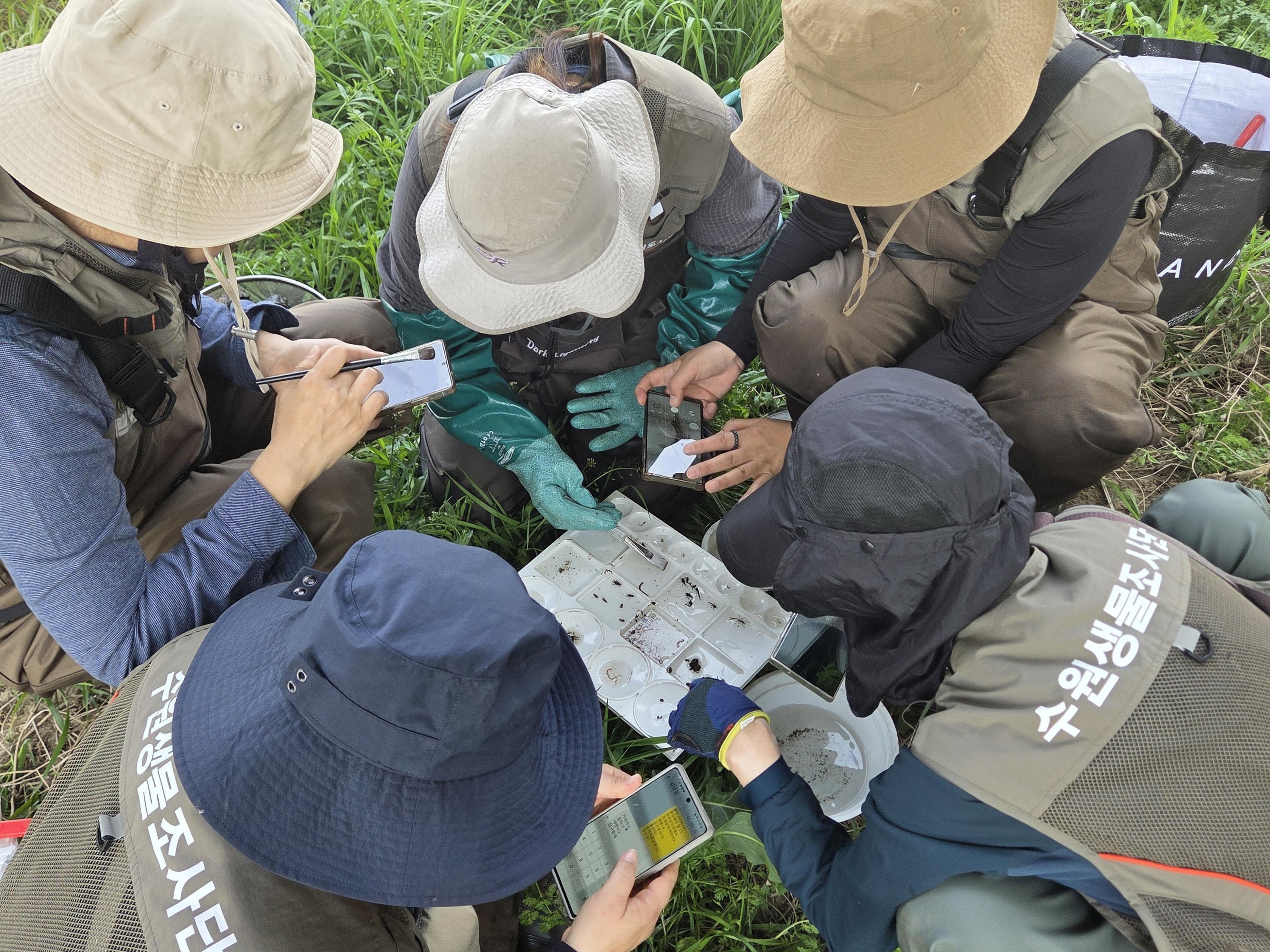
In the environmental sector, through education, the foundation has trained approximately 1,800 citizens capable of conducting biodiversity surveys. Together with these citizens, the Suwon Urban Foundation has conducted biodiversity surveys of over 6,900 species across Suwon's four major rivers, accumulating data. Approximately 10,000 citizens have directly confirmed the biodiversity of the regions where they live. The water environment governance based on over 10 years of long-term monitoring received the grand prize at the 2024 "Excellence in River Restoration Contest," earning external recognition of its achievements.
The foundation is pioneering Korea's first governance park for citizen participation from creation through management in the Dang-Soo Public Housing District. Additionally, in Gosaek-dong, through carbon-neutral green city projects, it is creating contact points where carbon-neutral practices can establish themselves as everyday culture.
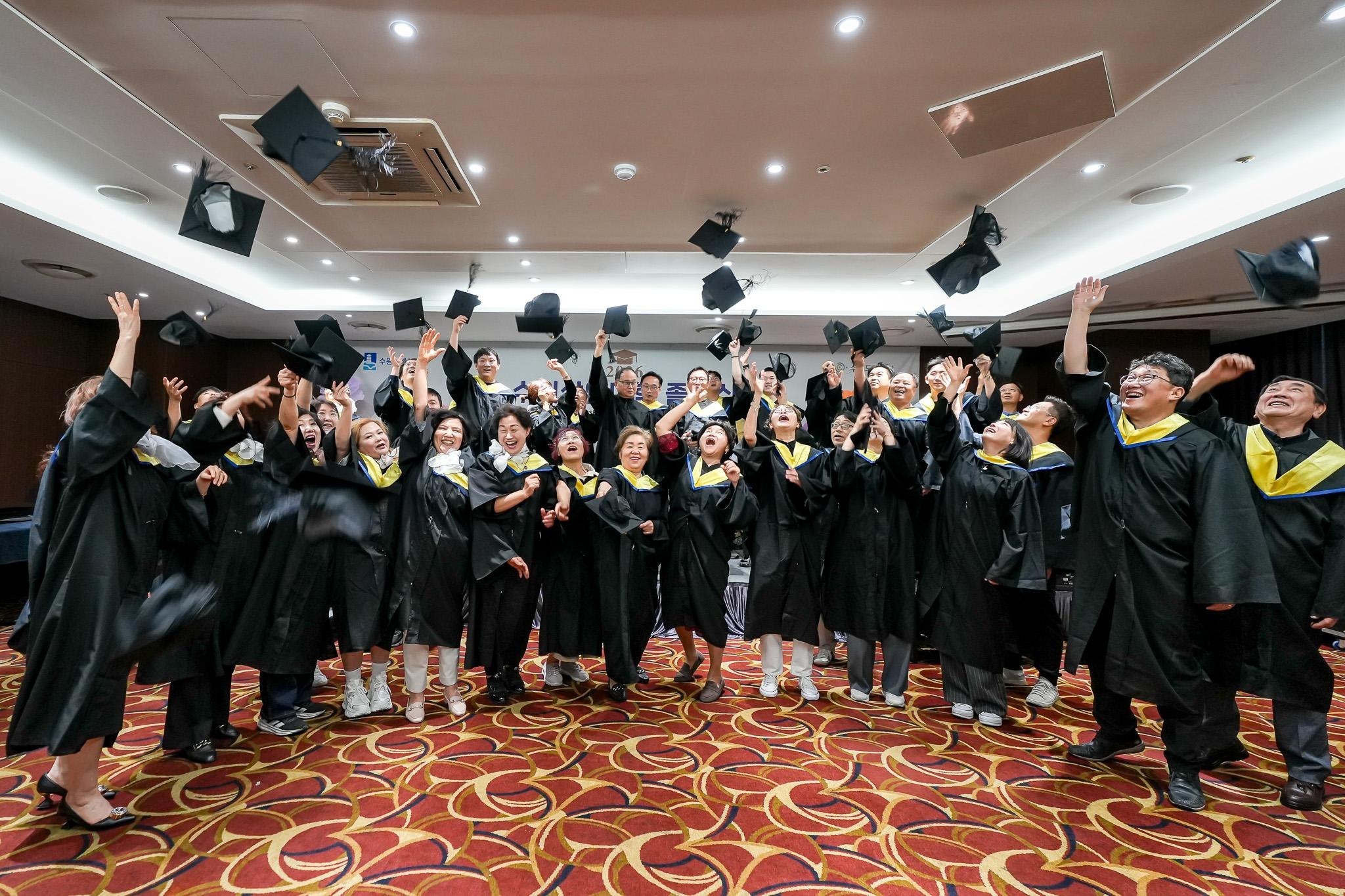
The foundation has also made efforts to strengthen the self-sufficiency of small business owners and revitalize the local economy by adding vitality to the alley commerce ecosystem. It has discovered new commercial areas such as alley-type shopping streets and supported over 1,000 stores. Over 870 small business owners have participated in education and consulting for commerce activation, including the Merchant University.
Continued support has been provided to strengthen competitiveness through distinctive commerce-specific brands, including the Suwon Station Commercial District Renaissance Project. At Namun Market, Suwon's representative commercial area bringing together nine traditional markets, the foundation attempted to revive commerce through the "Bultchwi Mugwi (Cannot Return Unless Drunk)" night market, infused with the story of King Jeongjo. It has also introduced "Suwon Alley Night Market," where alley commerce and consumers coexist, aiming to activate the nighttime economy and expand the ecosystem.
Creating a healthy startup ecosystem in Suwon has long been the concern of the Suwon Urban Foundation. By hosting competitions such as startup auditions and startup invention competitions at the national level, the foundation has discovered and nurtured high-growth-potential enterprises. Through over 200 startup programs, more than 17,000 people have received support, creating a springboard for making Suwon an attractive city for startups.
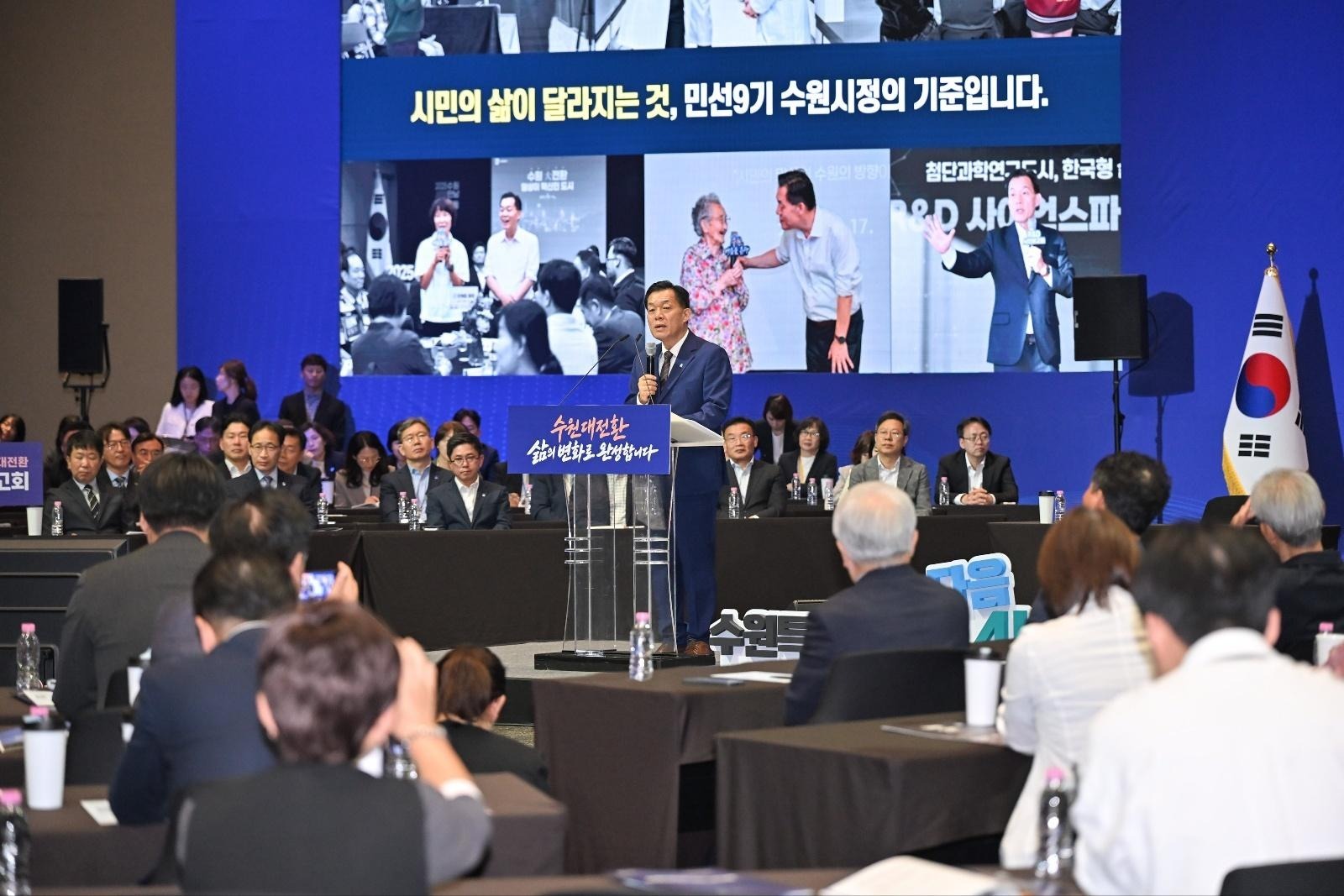
Lee Byung-jin, Chairman of the Suwon Urban Foundation, stated, "Over the past 10 years, the Suwon Urban Foundation has worked alongside the lives of citizens and changes in the city, striving to add vitality throughout the region. Moving forward, we will continue to listen to citizens' voices and connect diverse regional resources and capacities to create tangible urban change that citizens can experience in their daily lives."
Loading comments…