



Yongin Industrial Complex Breaks Ground on 3.45 Million Square Meter Site for Samsung's Fab 6
Yongin Special City (Mayor Lee Sang-il) launched inspections by sector in response to the large-scale construction project at the 'Yongin Advanced System Semiconductor Cluster National Industrial Complex' (hereinafter, National Industrial Complex) in Cheoin-gu, Idong-eup and Namsa-eup.
Korea Land and Housing Corporation (LH) began construction on the 29th on a 3.45 million square meter site at the National Industrial Complex Phase 1 where Samsung Electronics will construct two of six fab facilities.
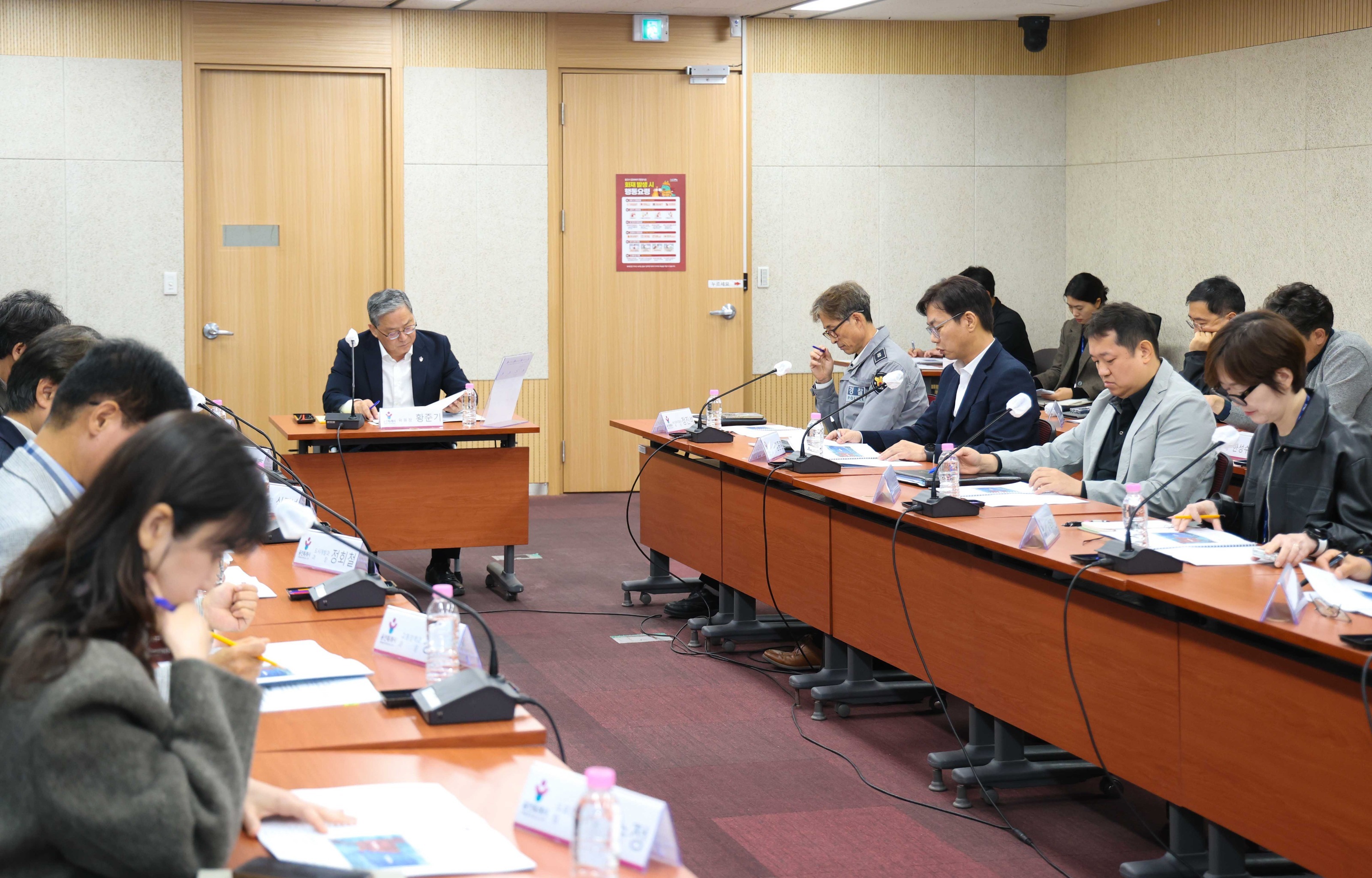
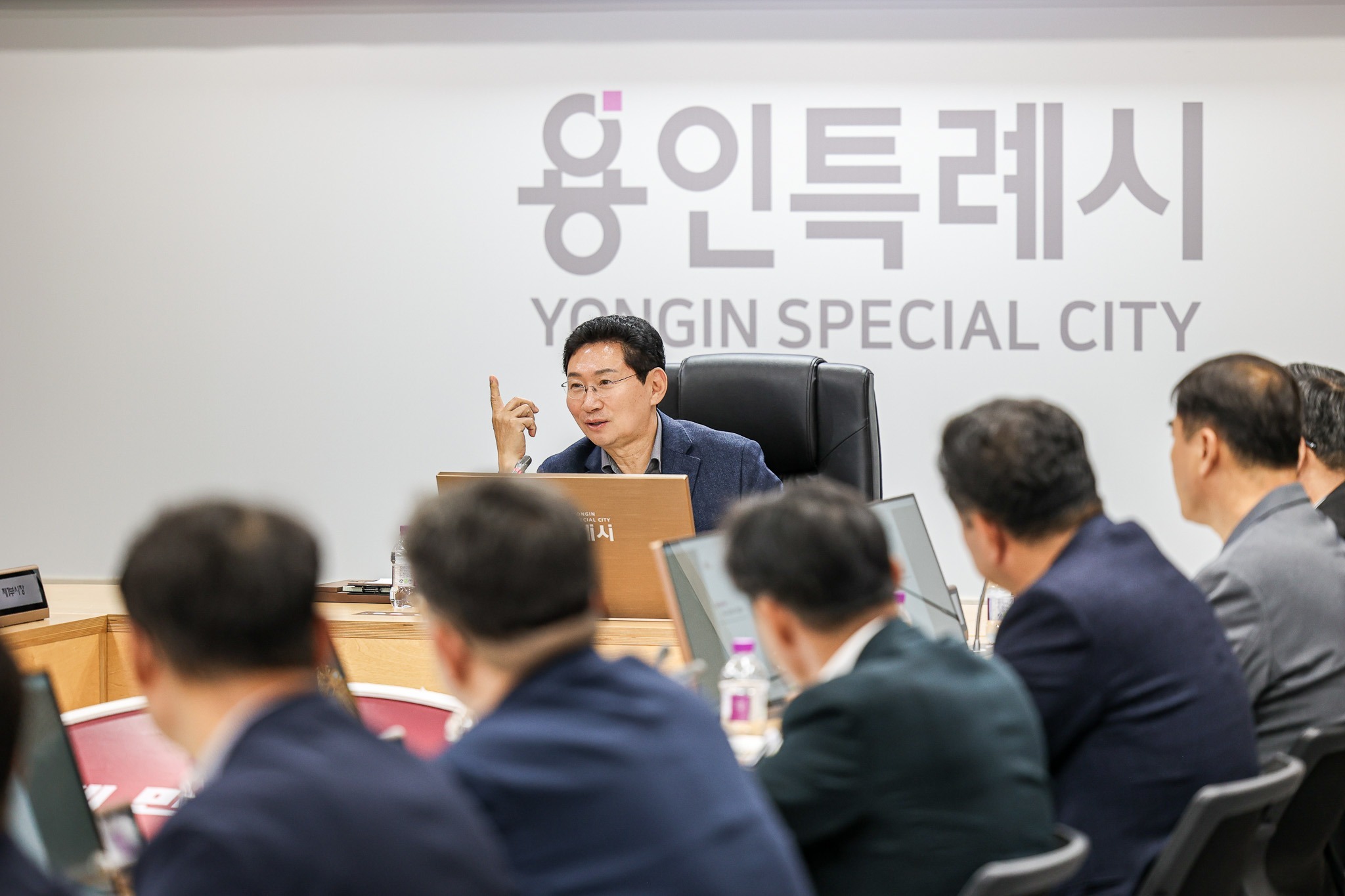
As a result, measures to ease traffic congestion, secure parking spaces, and provide worker accommodations became necessary. On the 29th, the city held the first meeting of the 'comprehensive plan task force for site development and fab construction support' presided over by Second Vice Mayor Hwang Jun-gi at the city hall conference room.
The meeting was attended by relevant city departments including transportation, urban planning, construction, environment, and agriculture, as well as Yongin East Police Station, Korea Land and Housing Corporation (LH) as the project executor, and Samsung Electronics representatives as the occupant enterprise of the National Industrial Complex.
In preparation for construction vehicle congestion, opinions were presented including designating exclusive detour routes for construction vehicles such as dump trucks, restricting operations during commute hours, and deploying traffic controllers at major intersections.
For smooth traffic flow, early expansion of National Route 82 from Namgok Intersection to Solbat Garden T-intersection, establishment of an intelligent traffic system (ITS), and adjustment of variable lanes and signals were also discussed.
To secure parking space, the city plans to develop approximately 20 square hectometers (about 60,000 pyeong) of transit parking facilities using idle land outside the industrial complex. To address worker accommodation shortages, a fast-track approval process for installing modular temporary accommodations was also reviewed.
The city plans to minimize public inconvenience through strict management of dust emissions, noise, and vibrations, deploying dedicated environmental monitoring personnel and illegal parking enforcement vehicles, and providing guidance and enforcement.
Second Vice Mayor Hwang Jun-gi, who presided over the meeting, said, "Based on experience from previous semiconductor industrial complex development, please proactively address anticipated public inconvenience in areas such as transportation, parking, and environment."
Loading comments…