



Feature Suwon Leads Global K-Restroom Movement Through Culture
The emergence of global restroom culture starting from Suwon is a significant event. In the mid-1990s, during preparations to host the 2002 Korea-Japan World Cup, the late Shim Jae-deok (1939–2009), who served as Suwon Mayor in the first and second elected terms, held a philosophy that restrooms demonstrate a city's dignity. He quickly put this into action. Public restrooms were demolished and massive construction budgets approaching 100 million won per pyeong were invested. Restrooms with soft classical music playing were unimaginable at the time.
The restroom culture that began in Suwon became the city's signature. The World Toilet Association was established, and Suwon became the mecca of world restrooms. Mayor Shim Jae-deok, who pioneered restroom culture, earned the nickname "Mr. Toilet." Suwon now goes beyond creating clean and pleasant environments, leading a global trend of transforming restrooms into cultural spaces within daily life.
Philippines' Moalboal, Cambodia's Angkor Wat…"Suwon-style Restrooms" Abroad
On the 14th, a Suwon-style restroom called "Haewujae" was established in Puerto Galera, Philippines, regarded as one of the world's most beautiful bays. It is located in the Moalboal Heritage Park, designated as a UNESCO Biosphere Reserve. Over 2,700 kilometers from Manila, the Philippine capital, requiring four hours by car and water taxi, visitors can encounter a restroom that embodies Suwon's standards.
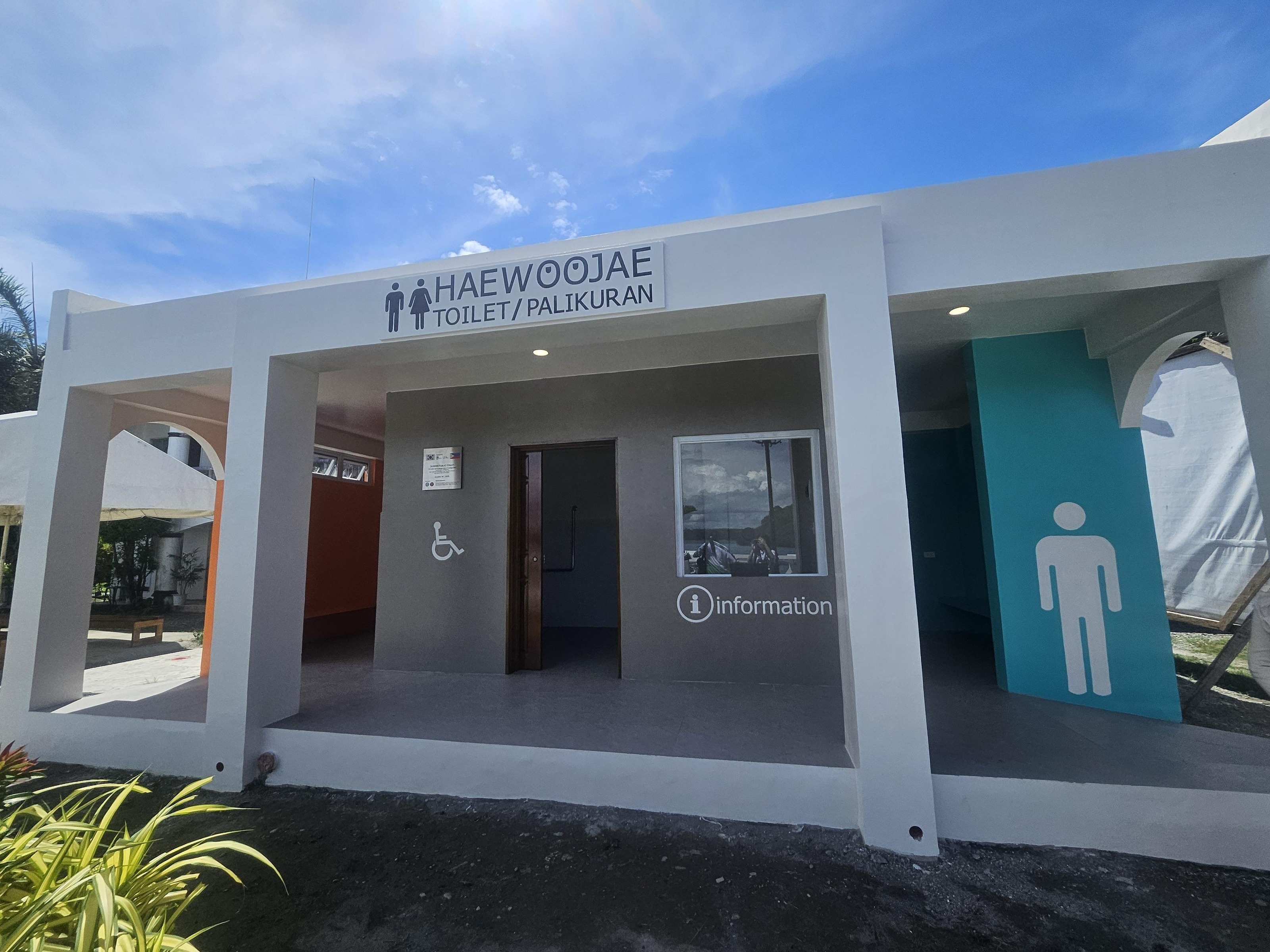
In this scenic holiday destination with beautiful beaches and diverse marine life, a tourist spot where over 1,500 people visit daily for boat tours and island-hopping excursions, public restrooms are an important marine pollution prevention measure. Suwon City collaborated with the Philippine Department of Tourism and the Galera municipal government for the restroom installation. Water supply and septic systems were connected, toilets were installed in gender-separated spaces, and facilities including multi-purpose restrooms and management offices were equipped to maintain a clean environment.
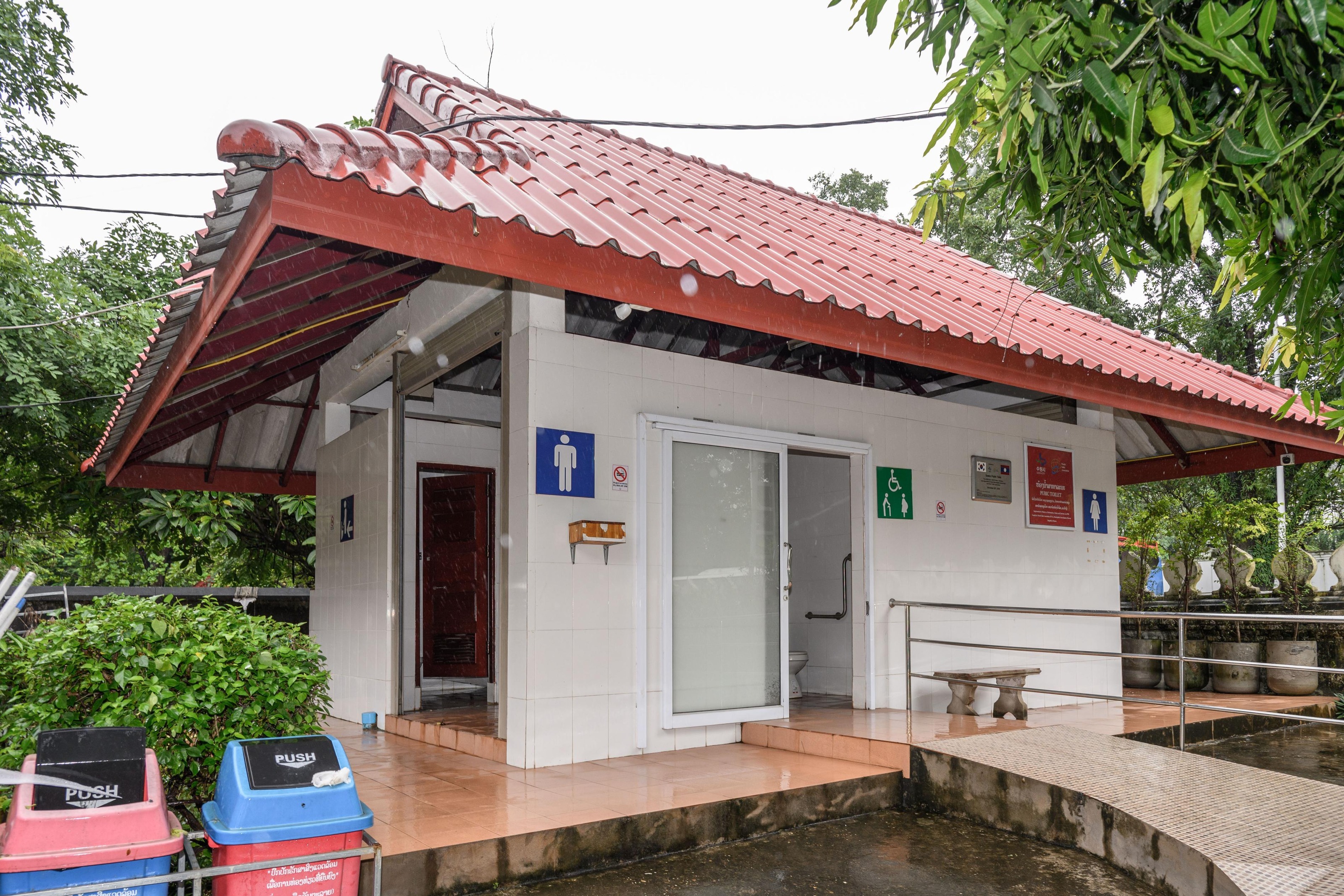
The public restroom built in Moalboal is the 32nd Suwon-style restroom globally. Since 2008, Suwon City has been installing Suwon-style public restrooms in developing countries with the World Toilet Association. While the World Toilet Association has constructed 52 restrooms in 19 countries, Suwon City has supported 32 facilities in 12 countries.
Suwon City has planted Suwon-style restroom culture in places where public restrooms are critically needed: the Angkor Wat archaeological site in Siem Reap, Cambodia; Kavre Spinal Cord Rehabilitation Center in Nepal, an earthquake-affected region; near the ferry terminal in Yalova, Turkey, a sister city of Suwon; and near the Genghis Khan statue in Ulaanbaatar, Mongolia.
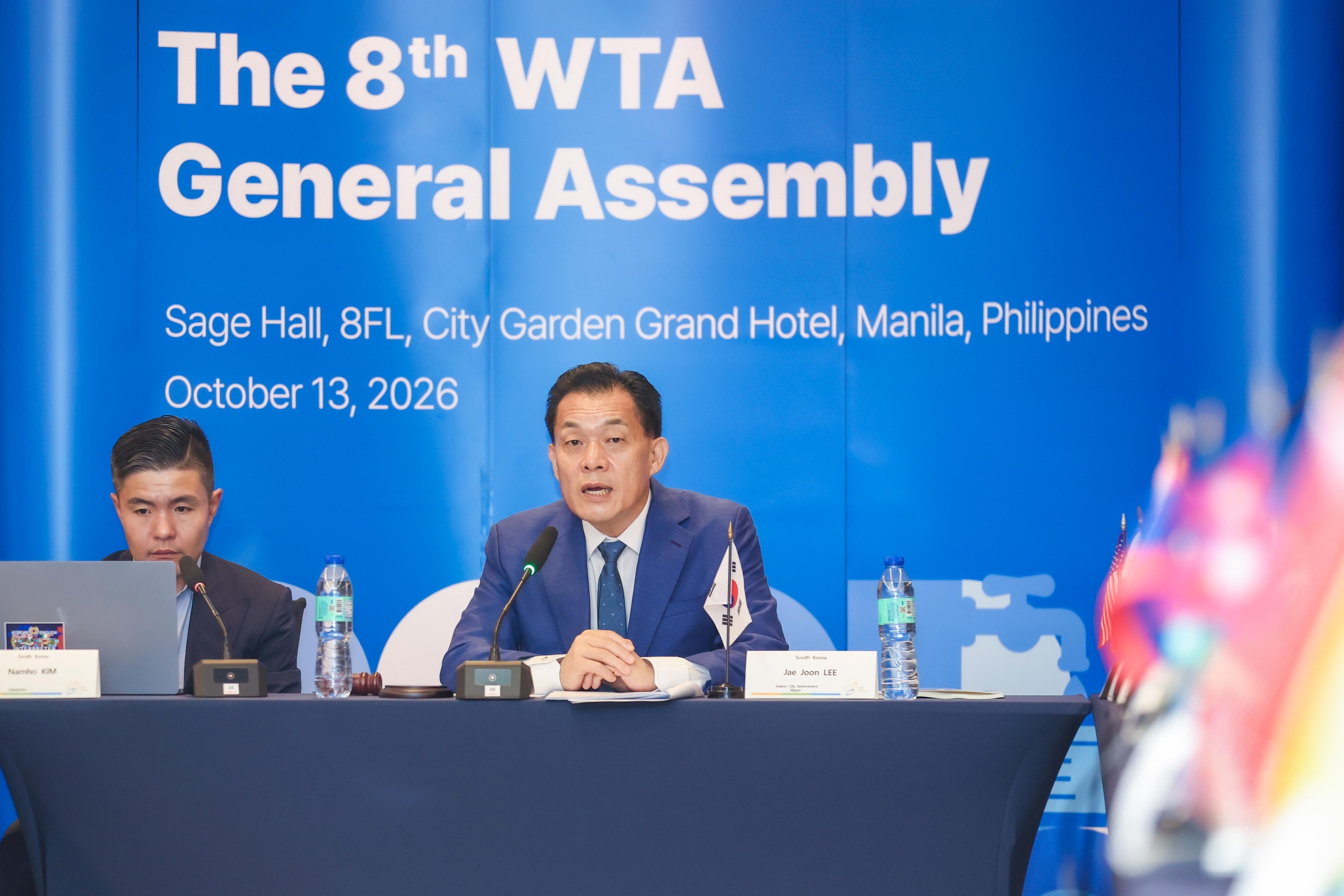
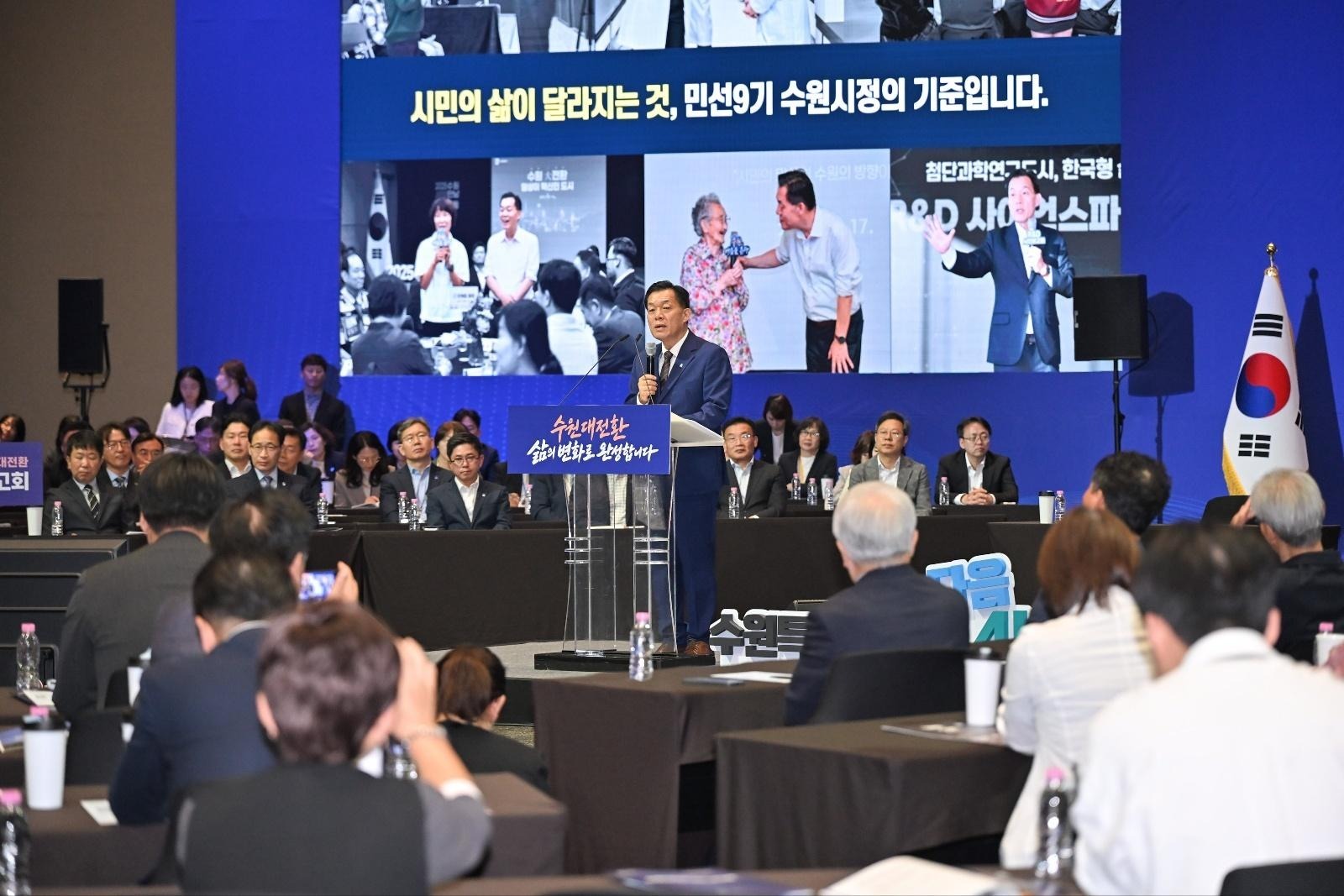
On the 13th, the "2026 World Toilet Association 16th Board Meeting and 8th General Assembly," a global exchange event on restroom culture, was held in Manila, Philippines. Presided over by Suwon Mayor Lee Jae-jun, who serves as Chairman of the World Toilet Association, members from 11 countries including the United States and Japan—roughly 60 people—gathered at the international conference to exchange views on restroom culture.
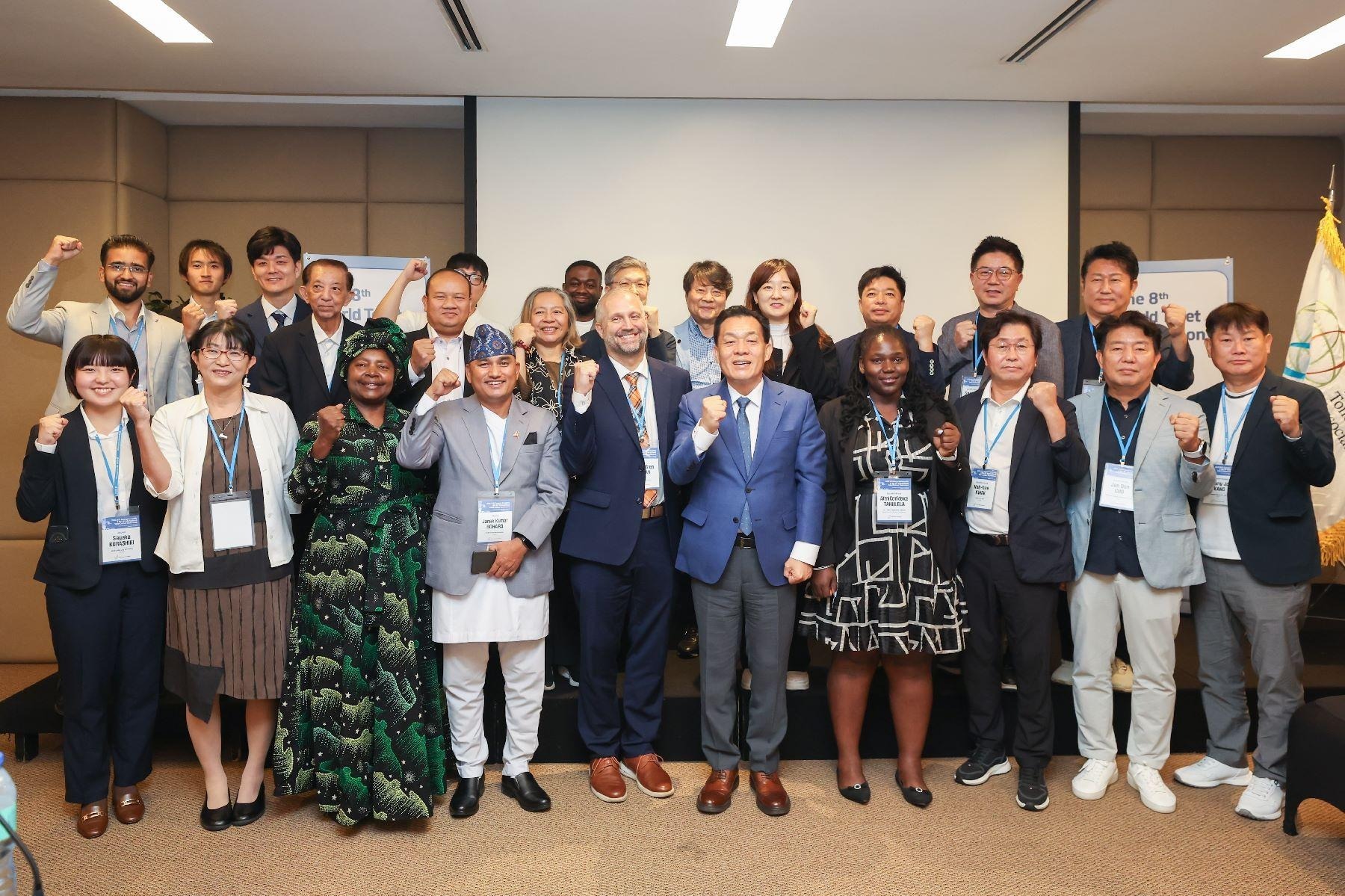
The World Toilet Association, which will celebrate its 20th anniversary next year, reached consensus to expand its scope of activities beyond restroom environmental improvements to include resource recycling, sustainable tourism, and public sanitation.
Restroom Culture Germinating in Suwon Becomes a Global Model
The emergence of Suwon-style restrooms worldwide and Suwon City's central role in international exchange of restroom culture is not a coincidence. The seeds of the restroom culture movement planted in Suwon have flourished into healthy blooms nourished by nearly 30 years of Suwon City's efforts, establishing Suwon as a veritable capital of restroom culture.
The pioneer who sowed the first seeds of the restroom culture movement in Suwon is the late Shim Jae-deok (1939–2009), who served as Suwon Mayor in the first and second elected terms. Known by the nickname "Mr. Toilet," he created a legacy that transformed the city.
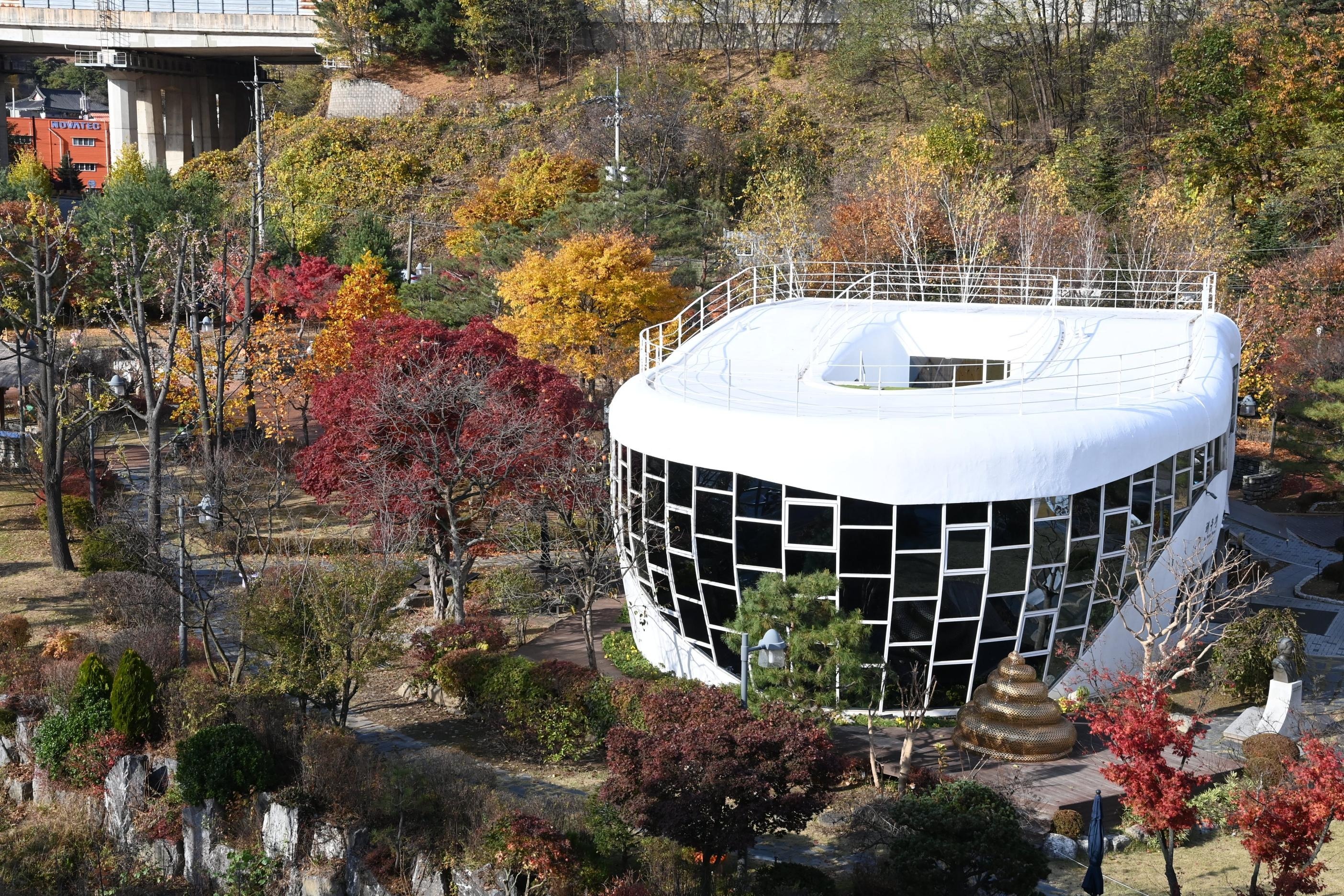
He established and donated the world's first and only Restroom Culture Exhibition Hall, "Haewujae," in Imok-dong, Jangan-gu. The hall concentrates Suwon's restroom culture content. With its distinctive toilet-shaped exterior design, it is a place where visitors can experience exhibitions themed on the history and culture of restrooms. Beginning in October 2010, the city began operating the building, which Shim donated to Suwon, as an exhibition hall after remodeling.
In July, it surpassed 2 million cumulative visitors, establishing itself as a unique cultural tourism content exclusive to Suwon and earning affection from the public.
On the third floor of the Haewujae Cultural Center is the World Toilet Association. The Association, founded in November 2007, has 96 members from 18 institutions in 21 countries united in expanding everyone's right to access clean and safe restrooms. In 2019, it acquired Special Consultative Status with the United Nations Economic and Social Council, enabling it to provide expert information and advice.
Suwon Mayor Lee Jae-jun, who has been re-elected and serves as Chair of the World Toilet Association since 2023, is laying the groundwork for restroom culture originating from Suwon to take another leap forward. While making efforts in modernizing public restroom facilities and improving school restrooms, he has led World Toilet Association activities and worked to expand global networks through international cooperation.
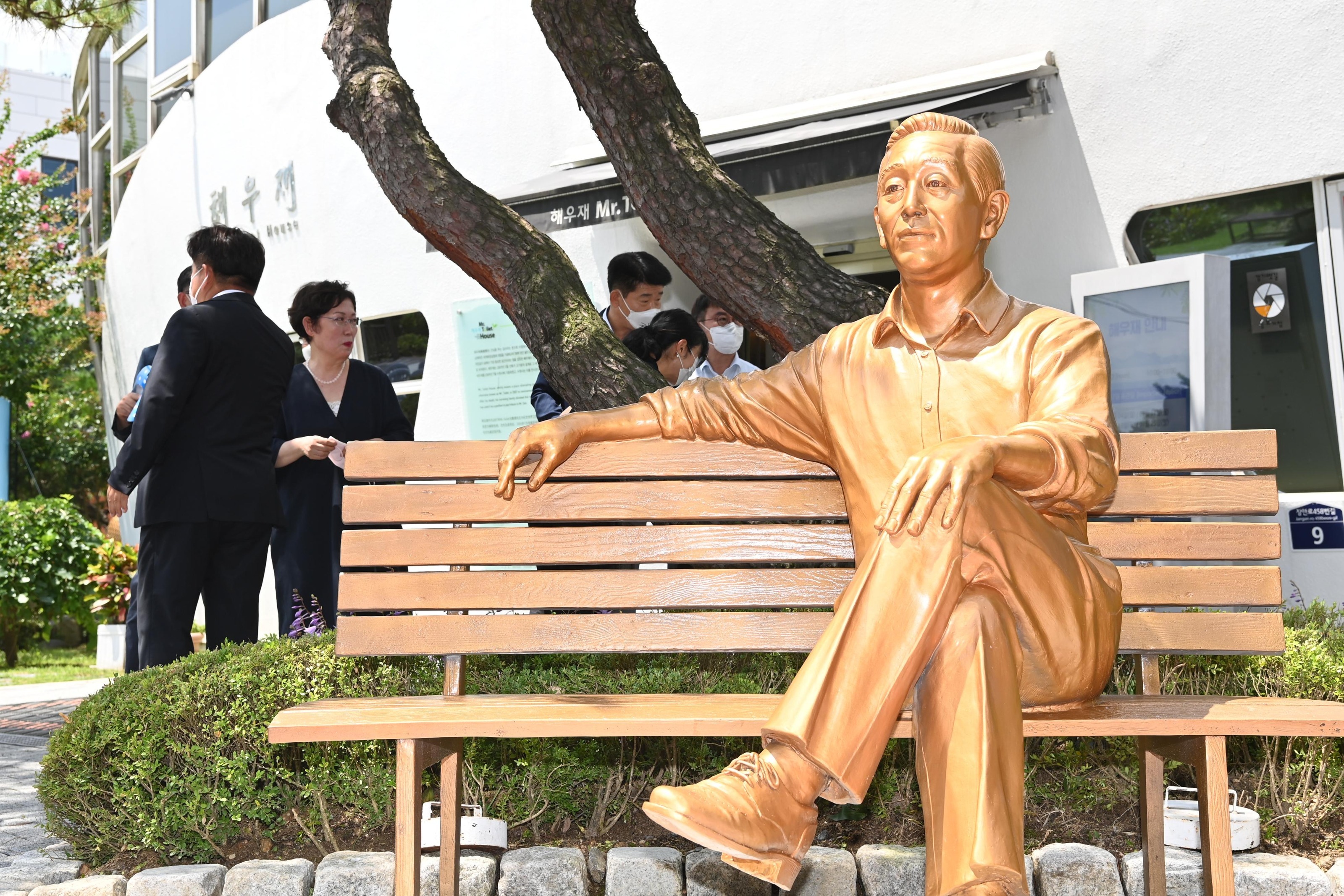
In addition, Suwon City has established the nation's first dedicated administrative organization for restroom culture affairs and is taking the lead in pioneering and disseminating restroom culture with the World Toilet Association. The city manages a total of 182 public restrooms and supports 118 privately-owned restrooms through the open restroom system. As a result, Suwon City has become a truly exemplary city leading restroom culture, where citizens and tourists alike can access 300 restrooms.
Restroom Next to Art Museum…Suwon's Beautiful Restrooms as Cultural Tourism Content
Suwon's restrooms have evolved into cultural spaces and content that harmonizes with the surrounding environment.
A prime example is the restroom located right next to the Suwon Municipal Art Museum near Hwaseong Haenggung Square. The restroom itself is named "Restroom Next to the Art Museum." Resembling an annex to the art museum at first glance, the facility features a media gallery that provides the sensation of entering an artwork. It is also special in that it is accessible to all, featuring family restrooms for infants and young families, as well as colostomy restrooms.
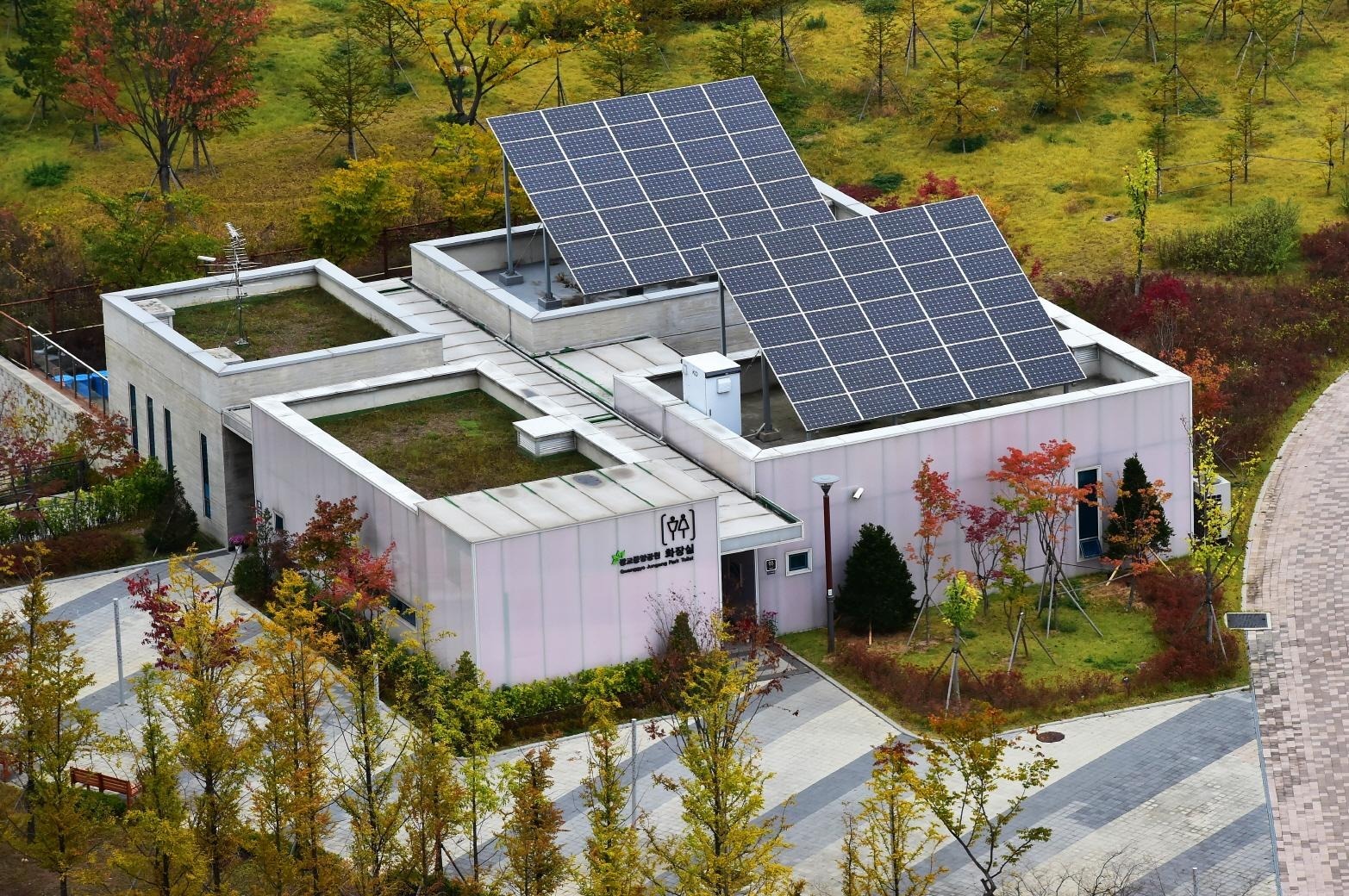
A characteristic of Suwon City's restrooms is their interior and exterior design that harmonizes with the surrounding environment while providing optimal functionality. The "Firefly Restroom" at the entrance of the Gwanggyo Mountain hiking trail not only offers natural views from inside but is also furnished with artworks and books, allowing it to serve as a shelter. Additionally, the "Changryong Cultural Restroom" is noted as a restroom where the architectural beauty of tradition and modernity harmonize, with its design complementing the curves of the Hwaseong Fortress walls.
Several restrooms feature distinctive architectural forms that bring joy simply by looking at them. In Paldal-gu, there are two soccer ball-shaped restrooms built in 2002 to commemorate the hosting of the Korea-Japan World Cup. These are the "Soccer Ball Restroom" near Suwon World Cup Stadium and the "Yeongwon Restroom" in Gyegye Art Park. The soccer ball-shaped restrooms, arranged alongside sculpture artworks reminiscent of an outdoor art museum, add delightful memories for park visitors.
The "Chilbo Millstone Restroom," which is modeled after a millstone, one of seven treasures of Chilbo Mountain, has become a meeting place for hikers, while the "Jar Restroom" catches the eye on the hiking path from Patjang-dong Matgoheul Street to Gwanggyo Mountain.
Suwon City has been producing award-winning entries almost every year in the Beautiful Restroom Awards annually hosted by the Ministry of the Interior and Safety and the Restroom Culture Association. Since the first competition and awards began in 1999, a total of 32 restrooms have been honored, including three Grand Prizes through this year, demonstrating Suwon's standing as a city pioneering restroom culture.
Suwon Mayor Lee Jae-jun stated, "A clean restroom preserves human dignity and elevates a city's prestige. As the world's capital of restroom culture, Suwon will pioneer new restroom culture encompassing the environment and tourism, spreading its value throughout the world."

Loading comments…