



Editorial Ajou University Pediatric Emergency Center Search and Seizure Delivers a Critical Warning
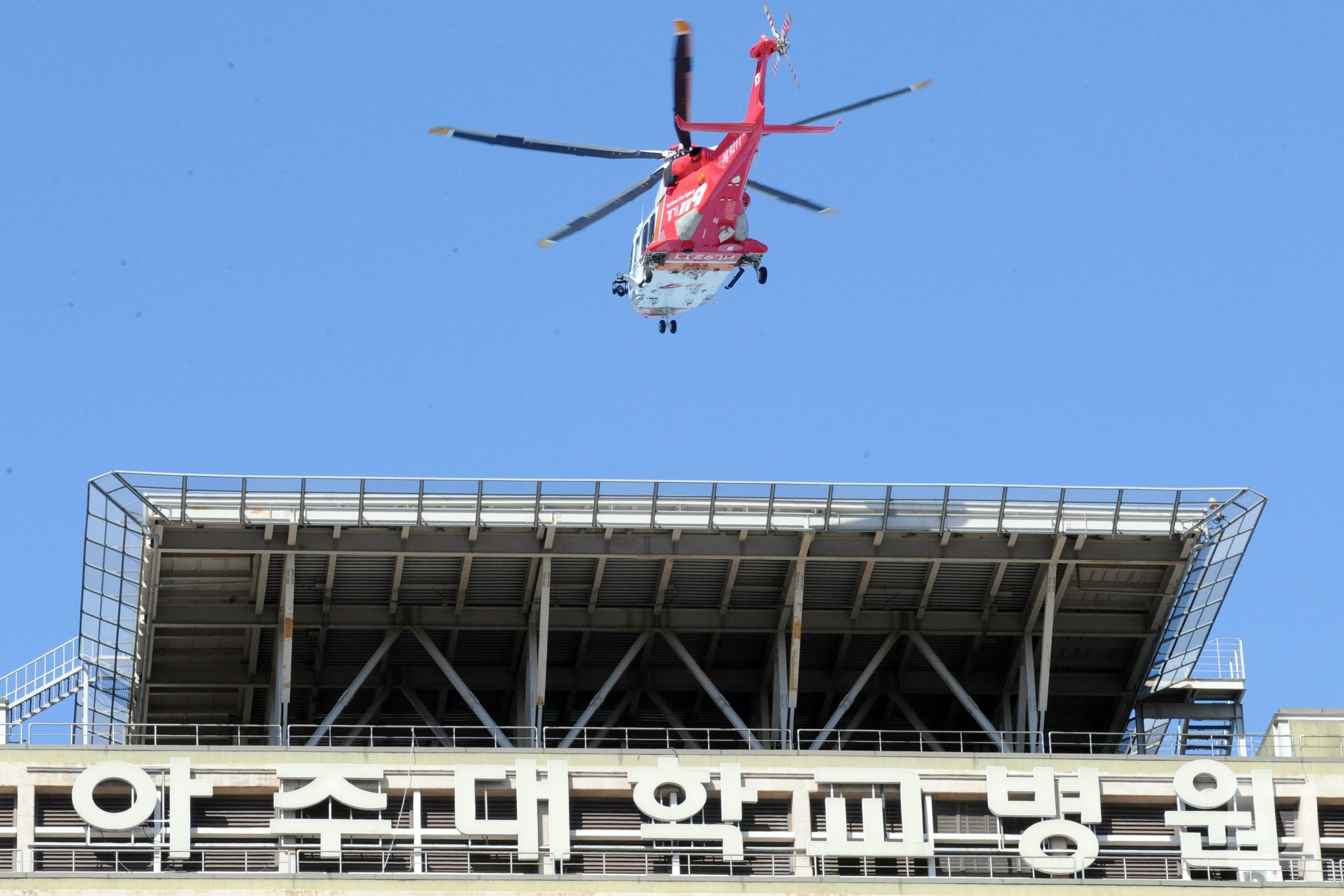
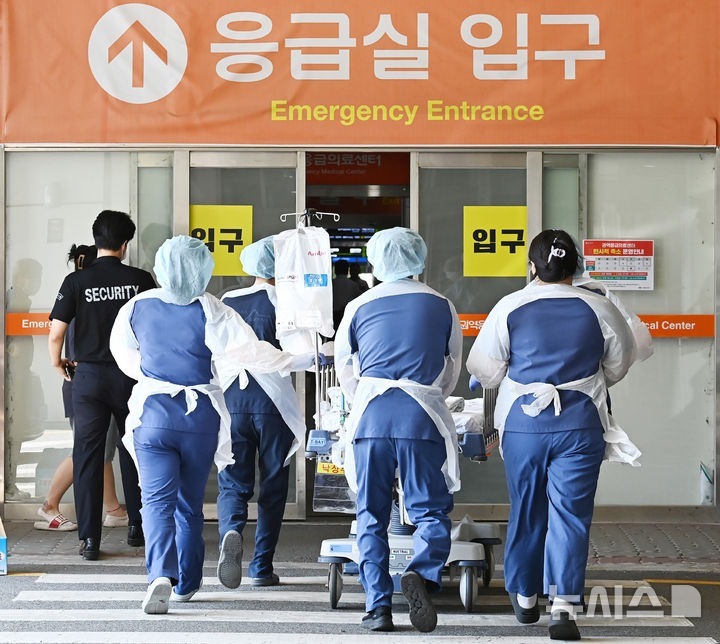 The above image is a reference photo not directly related to the article content. /Kim Jong-taek / Newsis
The recent police forced investigation into Ajou University Hospital's Pediatric Emergency Medical Center and the subsequent collective resignation statements by pediatric emergency specialists vividly demonstrate the precarious reality facing essential medical care in Korea.
As the police investigation to clarify the truth about an infant death incident that occurred in July collides with the desperate cry from frontline medical staff saying "we cannot engage in 24-hour battles while being treated like criminals," the pediatric critical emergency care system in southern Gyeonggi Province has teetered on the brink of paralysis.
It is the state's natural duty to clarify the facts to uphold judicial justice and resolve the grievances of bereaved families. Police have also explained that they conducted their investigation in a manner that adhered to legal procedures and minimized disruption to medical care.
However, the moment state authority enters the emergency room—a special space that handles critically ill pediatric patients facing life-and-death situations—the psychological pressure and fear experienced by frontline medical staff transcends imagination. Regardless of the legality of the investigative authority, it is difficult to avoid criticism that insufficient consideration was given to the special circumstances of the site and the reality of this neglected medical field.
The real warning this incident conveys is different. For pediatrics and emergency medicine departments already on the verge of collapse due to chronic staff shortages and excessive workload, this incident has served as a decisive signal for departure.
Indeed, with 7 out of 9 pediatric emergency specialists expressing their intention to resign, the harm ultimately befell the children and parents in the local community who urgently need emergency treatment.
The process of implementing judicial justice has inadvertently triggered an even greater social tragedy—the collapse of the region's essential medical infrastructure. What we need now is not emotional confrontation, but concrete institutional alternatives to prevent recurrence.
First, an "emergency room investigation guideline" that minimizes medical care gaps prior to forced investigations must be promptly established for essential medical care sites such as emergency rooms where 24-hour care is provided.
Both the establishment of judicial justice and the protection of citizens' right to life are precious values that cannot be sacrificed. Investigative agencies must enhance the precision of law enforcement, and the government must promptly institutionalize judicial risk mitigation measures that allow essential medical staff to feel assured and stay by their patients' side.
Medical professionals must also demonstrate mature attitudes, grounded in their sense of mission, to remain by their patients' side until the end. This Ajou University Hospital incident should be regarded not as a complete collapse of pediatric emergency medical care, but as an opportunity to turn crisis into opportunity by properly establishing a system to protect essential medical care.
Loading comments…