



Pastor Kim Jin-hong's Morning Meditation A Brain That Doesn't Age 1
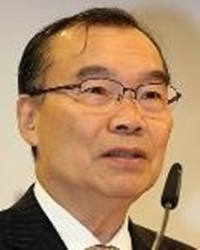
American medical doctor 'Sanjay Gupta' is an authority in brain research.
Since it is research on healthy brains, it naturally connects to dementia research.
This is because dementia is a phenomenon that occurs when the brain fails to function properly.
He suggests five methods for maintaining a sharp mind and a healthy brain.
The first is the habit of constantly moving and exercising.
Through regular exercise, cognitive ability—that is, brain activity—improves.
There is no way to address the various stresses we face daily other than through exercise.
Therefore, exercise must continue daily for a lifetime.
So what kind of exercise should one do?
One should do exercise that they enjoy.
Just as people brush their teeth daily, exercise must also be done daily.
At minimum, one hour of exercise per day is essential. I do two types of exercise daily.
Mountain hiking and Cheonjjo Exercise.
Fortunately, Durehmaeul has a desirable walking trail that is perfect for about an hour and thirty minutes of walking.
Cheonjjo Exercise is, simply put, stretching.
It is a training method developed by Kwak Jin-ho, an Australian Christian martial arts instructor, who selected and refined basic movements from various martial arts.
Fortunately, I have neither high blood pressure nor diabetes, but there are many people around me suffering from high blood pressure and diabetes.
If such people do not exercise daily, it becomes fatal to a healthy life.
Some people say that prayer is all that's needed.
I tell such people this: that's true, but pray while exercising.
The first essential element in maintaining a healthy brain is exercise.
Furthermore, 'Sanjay Gupta' is famous for introducing information about a brain that doesn't age—that is, a brain that doesn't develop dementia and can play a creative role even in old age.
The first is "Exercise for more than one hour every day."
He emphasizes that there is no way other than exercise to maintain a non-aging brain and a healthy mind.
The second is advice to "Continue to explore, read, and make efforts to discover."
For this, he recommends that even in old age, one should devote themselves to learning new languages, read new books, and develop their mental world.
The third is somewhat unique. It is the recommendation to "Take it easy." This means not to rush or feel stressed about anything, but to maintain composure and leisure with an easy-going mindset.
This is well-taken advice. Around us, there are elderly people who become anxious, have sharp nerves, and easily lose their temper. When I see such people, I feel sympathy.
To view worldly matters with generosity and treat them with an easy-going mind is a privilege and blessing given to the elderly. People who age in this way do not develop dementia and maintain sharp brains.
Loading comments…