



"Firefighting is really sucking up finances"...Comments about 'financial straw' emerge again during parliamentary hearing on day of fallen firefighter's funeral
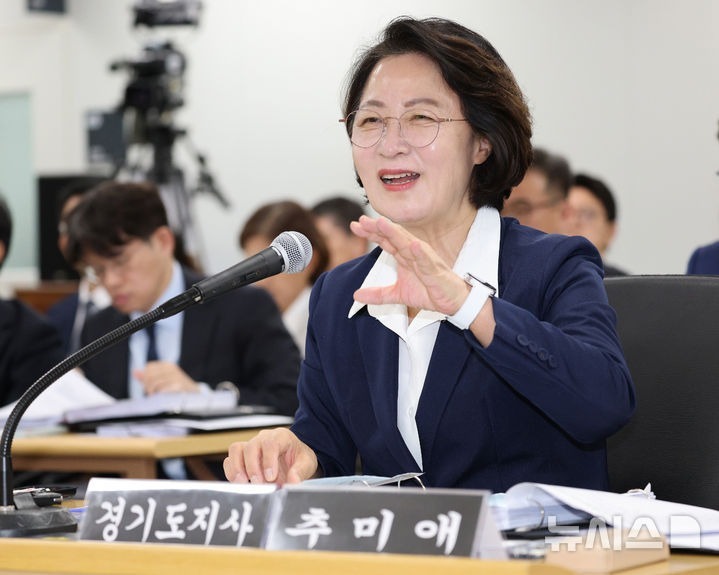
On the 19th, when the funeral ceremony for a fallen firefighter was solemnly observed, comments likening firefighting to a "financial straw" emerged once again at the National Assembly's state audit. Democratic Party lawmaker Bu Seung-chan made the remarks during a Gyeonggi Province state audit by the National Assembly's Land, Infrastructure and Transport Committee, saying "(firefighting is) really sucking up finances, isn't it?" This came while defending Governor Choo Mi-ae's "firefighting financial straw" comment.
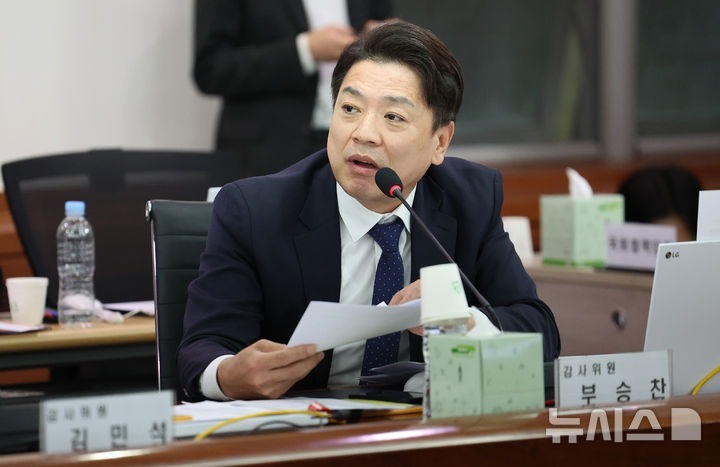
Lawmaker Bu said, "(Governor Choo) certainly made a big mistake with the firefighting straw comment, but she has sufficiently apologized," and added, "Despite the fact that about 90 percent of firefighting budget personnel expenses and related support costs are national responsibility, local governments bear the burden, so isn't this really sucking up finances?" He continued, "If this cannot be resolved at the national level and we only criticize it, there's no solution, is there?"
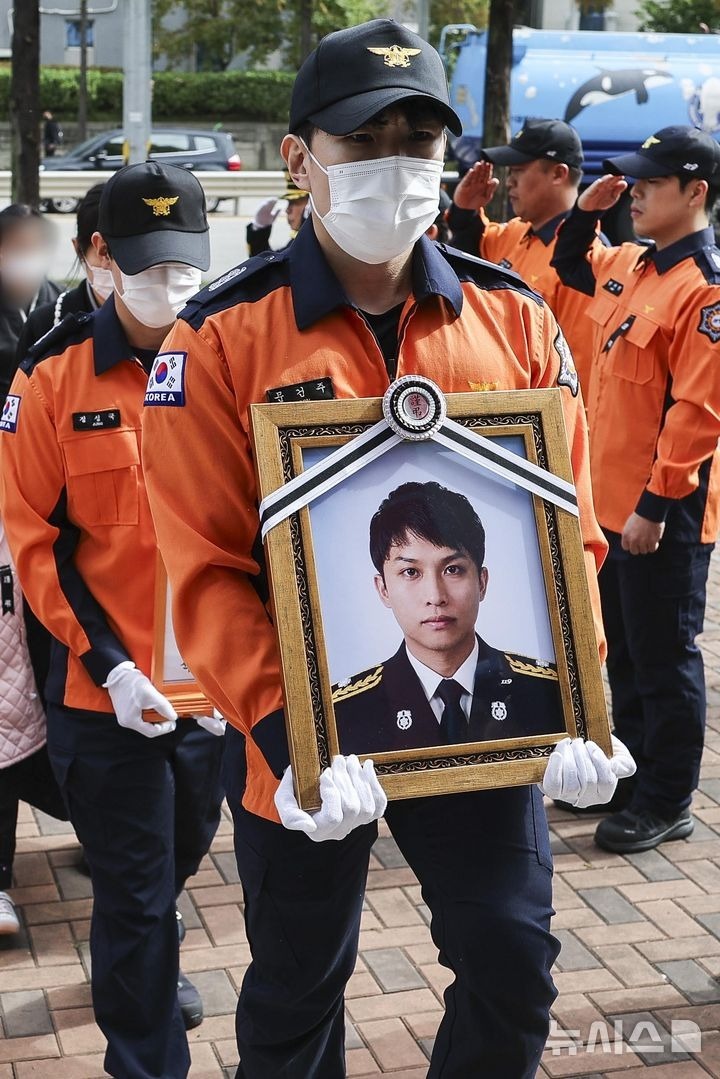
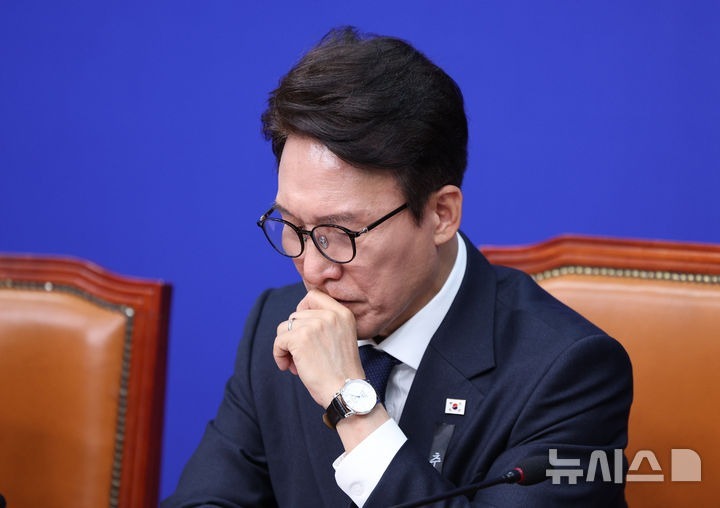
Previously, Governor Choo faced demands for an apology from the firefighters' union during Gyeonggi Province's state audit at the National Assembly's Administration and Safety Committee on the 13th, when she made remarks to the effect that "firefighting is the most troublesome financial straw." Before the start of the state audit that day, Governor Choo bowed her head and said, "I sincerely apologize to the firefighters who have been hurt by my recent remarks." However, hours later, a lawmaker from the same party used the same expression again. That day was also the date of the funeral ceremony for the late Firefighter Captain Kim Jin-seok, who died while suppressing a factory fire in Bucheon. Democratic Party of Korea lawmaker Kim Eun-hye criticized, saying, "There was a funeral ceremony for a fallen firefighter today. The statement 'firefighting is really sucking up finances' should not have come out. Apologize to the people and firefighters."
Behind the remarks lies an unresolved firefighting financial structure following the transition to national status. Firefighting civil servants transitioned from local to national status on April 1, 2020. This change was made by enacting and amending six related laws including the Firefighting Civil Servants Act, the Firefighting Basic Act, and the Local Transfer Tax Law in November 2019. The purpose of the transition was to eliminate disparities in treatment and equipment that varied depending on regional fiscal conditions while performing the same national duties.
However, only the status became national; firefighting affairs remain as autonomous affairs of metropolitan self-governing bodies under the Local Autonomy Act. This year, national funding accounts for only 10.7 percent of the firefighting budget, with local governments bearing more than 90 percent of personnel expenses. In the case of Gyeonggi Province, firefighting personnel costs alone will reach 1.1 trillion won by 2027. Four out of ten protective equipment items have exceeded their service life, and the firefighting safety transfer tax for next year is scheduled to be cut by 27.6 percent, raising concerns that regional disparities in firefighting services may widen further.
For this reason, both within and outside the firefighting community note that while discussion on expanding national funding support is necessary, the approach needs to change. Rather than shifting the burden of metropolitan finances to the central government, as the promise of the transition to national status was to create a stable financial structure so that citizens living anywhere in the country can receive the same level of firefighting services, the language defining firefighting as a financial burden must be corrected first, and legislative discussions should proceed to clarify national responsibility for firefighting affairs.
Loading comments…