



Suwon Promises to Fix 20-Year-Old Homes, But 60-Year-Old Homes Fall Through the Cracks
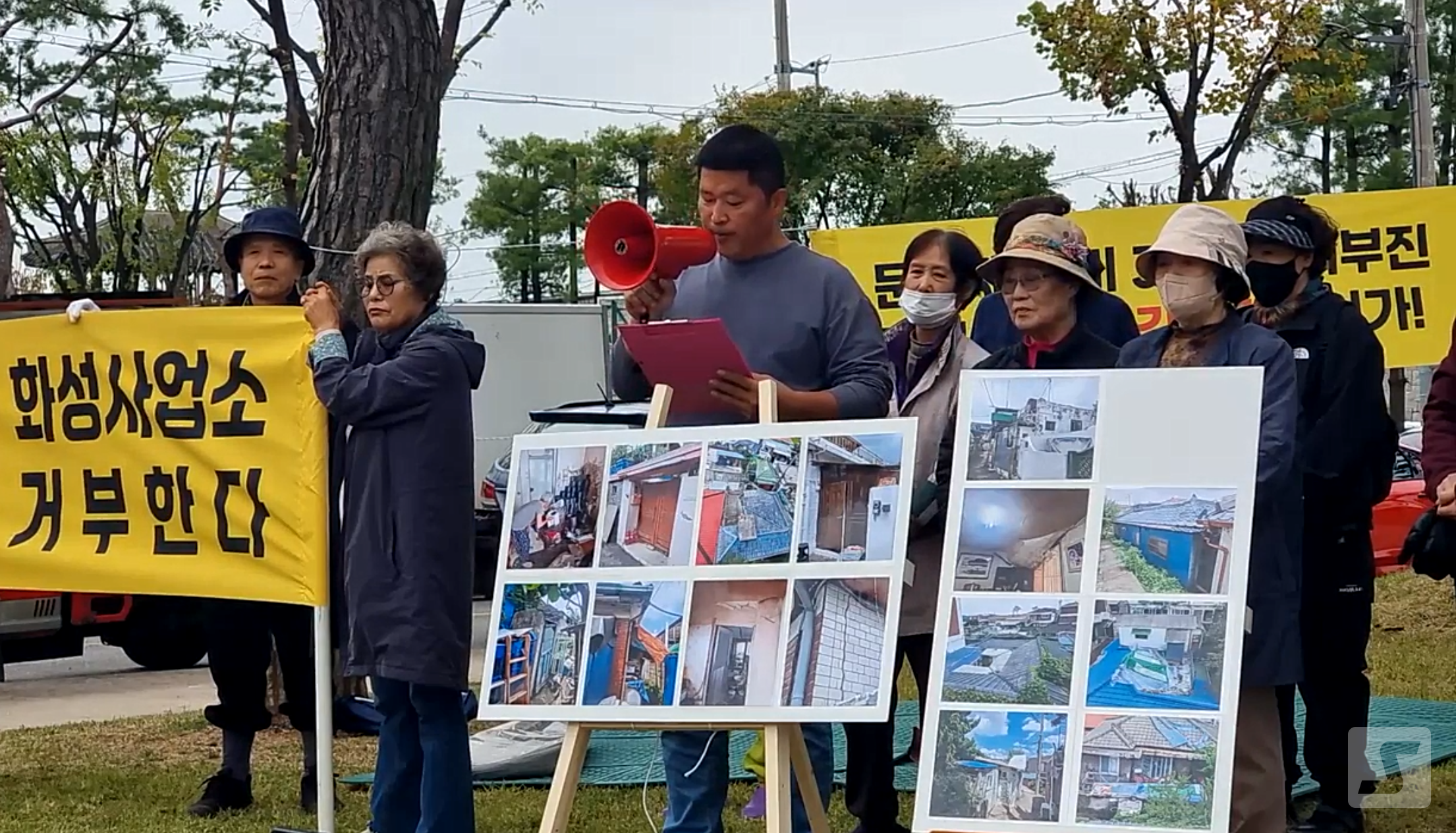
Suwon City invested approximately 17 billion won to support home repairs for 3,000 deteriorated houses, but residents in Jidong within the Suwon Hwaseong Cultural Heritage Protection Zone face difficulties accessing home repairs due to compensation and demolition plans and institutional limitations.
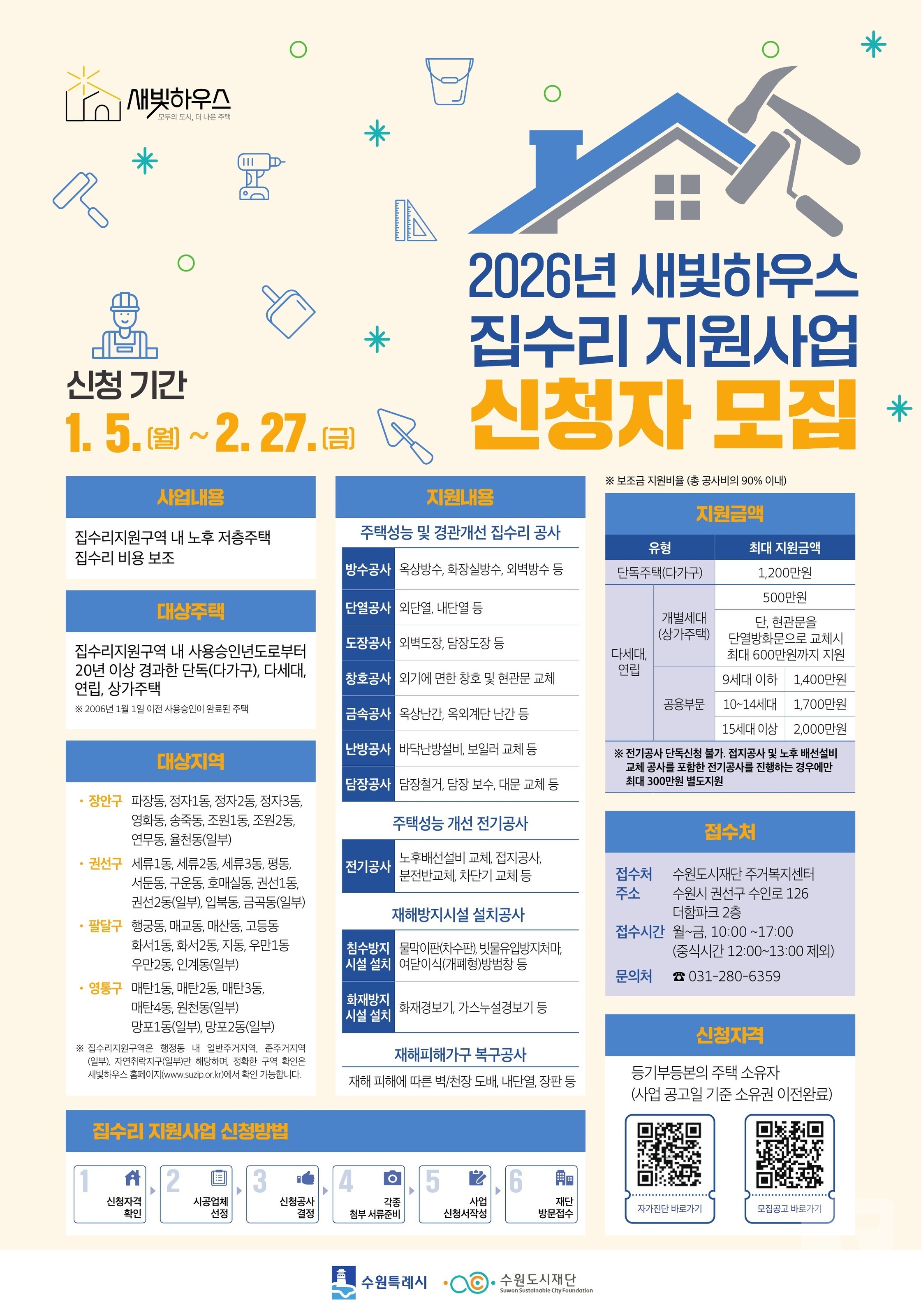
According to Suwon City and the Suwon Urban Development Foundation on the 9th, the city has been implementing the "New Bbit House Home Repair Support Program" targeting deteriorated low-rise houses since 2023.
The program supports waterproofing and insulation improvements, window replacement, and repairs to exterior walls and fences. For single-family and multi-unit housing, it provides subsidies up to 12 million won within the scope of 90% of total construction costs.
The program supported 305 houses in 2023, 791 in 2024, and 1,003 in 2025. This year, with an additional 904 selected homes, the cumulative support and selection total reached 3,003 houses.
The program will continue going forward.
A Suwon City official stated, "We invested approximately 17 billion won over four years to achieve our target of 3,000 homes," and added, "Going forward, we plan to invest 12 billion won over four years, spending 3 billion won annually to support 500 homes per year."
The issue is that the program does not apply uniformly to all deteriorated houses.
The home repair support program does not involve the city directly discovering deteriorated homes and conducting repairs. It operates by receiving applications from registered property owners, conducting reviews based on support criteria, and subsidizing repair costs for selected homes.
According to the city, redevelopment or reconstruction areas and zones where compensation and demolition are planned due to future public projects are in principle excluded from support targets. The reason is that investing budget in buildings slated for future demolition lacks effectiveness.
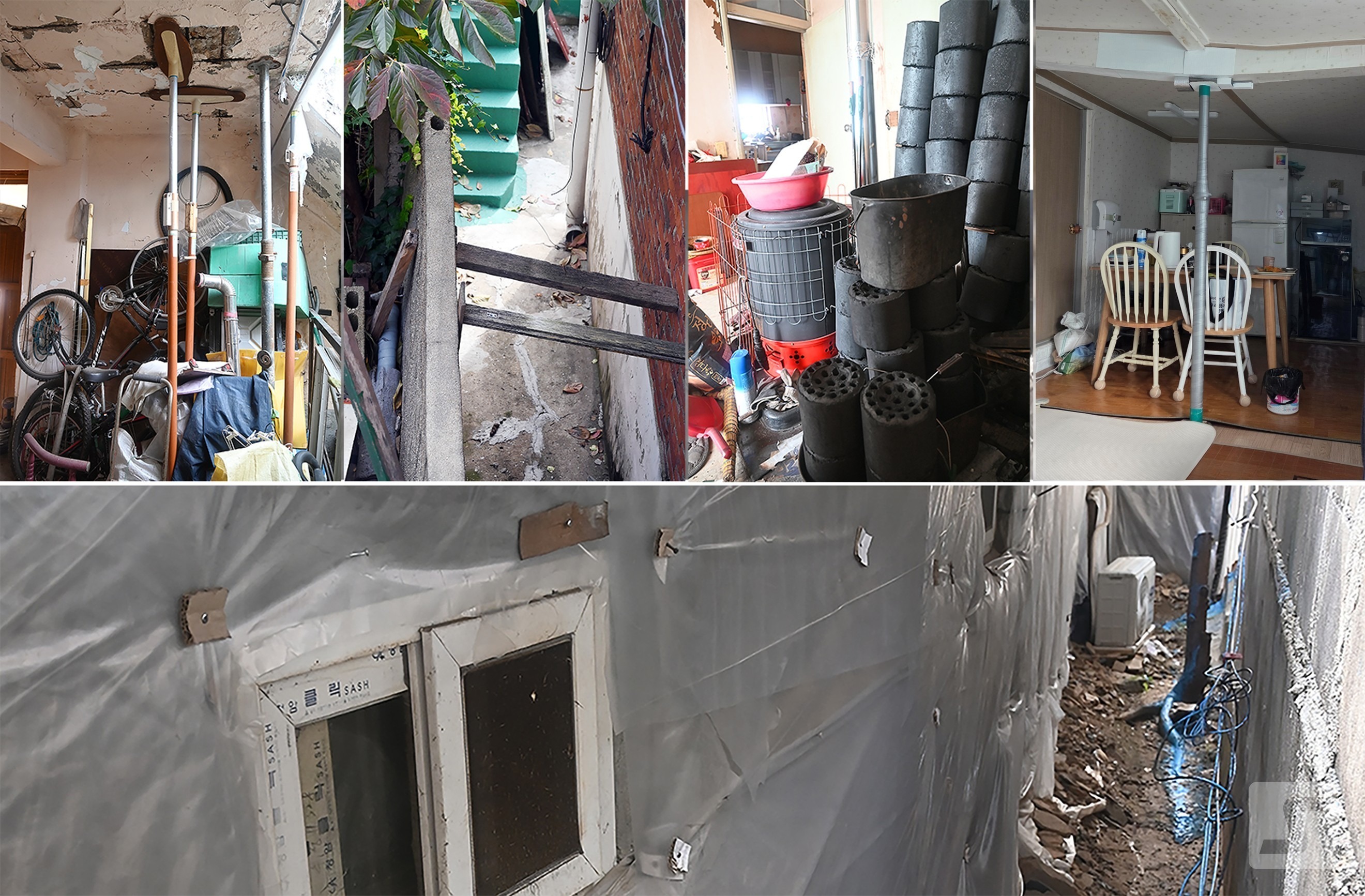
However, homes built in the 1960s remain in Jidong's Suwon Hwaseong Cultural Heritage Protection Zone. These deteriorated houses far exceed the 20-year support eligibility threshold, yet it is difficult for residents to actually receive support.
The city has included all lots in the protection zone in the home repair support program area.
In 2024, the city's "Residential Welfare Implementation Plan" presented "home repair support for areas around cultural heritage where development is difficult" as an expected benefit of the program.
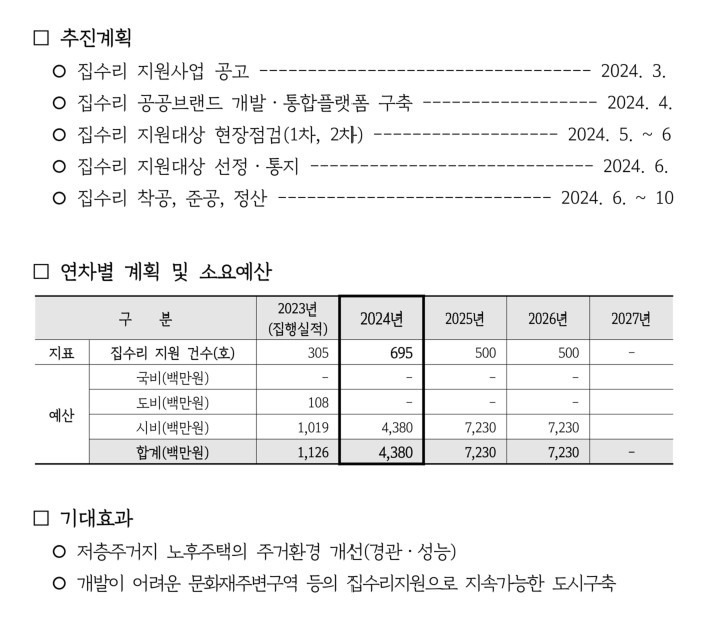
Simultaneously, the city plans to purchase and demolish land and buildings in this area. However, the city anticipates that at least approximately 20 more years will be needed until compensation is completed.
Although the area is included in the support zone and expected benefits have been presented, actual support is limited and the results remain unclear.
Of course, even if home repair support is undertaken in the area, there are limitations on the scope of work.
The home repair support program focuses on construction to improve housing performance, such as insulation, window replacement, and roof waterproofing. Major structural alterations, which require building permits, are not included in the support scope.
A city official stated, "Work involving major structures is considered major renovation, which requires building construction permits."
Article 11 of the Building Act stipulates that buildings must in principle obtain construction permits when being constructed or undergoing major renovation.
If related construction is conducted in a cultural heritage protection zone, regulations concerning cultural heritage protection must also be reviewed.
However, there is separate legal basis for building safety management, maintenance, and reinforcement.
Article 15 of the Building Management Act allows local governments to conduct safety inspections for buildings that are 30 years or more past their date of occupancy permit and meet the size requirements set by ordinance.
Additionally, Article 15(3) provides that local governments may subsidize or provide loans for all or part of the costs necessary for maintenance and reinforcement based on inspection results, and may provide technical support.
Article 5 of Suwon City's Building Management Ordinance specifies structural damage such as foundation subsidence or buckling as grounds for emergency inspection when building safety is questionable and a structural specialist committee deems it necessary.
Article 6 designates buildings of three stories or fewer with a total floor area of 1,000 square meters or less, which the structural specialist committee advises are in need of inspection, as targets for small-scale deteriorated building inspection.
Therefore, some argue that under current laws and regulations, it is not impossible for local governments to provide safety inspections and support for maintenance and reinforcement costs.
Ultimately, residents of Jidong are included in the home repair support zone yet face difficulties in achieving substantial residential environment improvements due to their status as subject to expropriation and limitations on the scope of work.
The remaining solution is to accelerate compensation and demolition, and congressional-level efforts on this matter have been confirmed.
An official from Congressman Kim Young-jin's office of the Democratic Party, representing the Suwon B constituency, addressed land purchase budgets for the Suwon Hwaseong Cultural Heritage Protection Zone, including Jidong, stating "We are preparing and making efforts so that increases can be (reflected in the budget)" and "We are proceeding through consultations with Suwon City Hall and the Hwaseong Project Office."
Loading comments…