



Gyeonggi Province Bus Labor Dispute Heads to Final Negotiations...3,800 Buses Face Shutdown from Tomorrow Morning if Talks Collapse
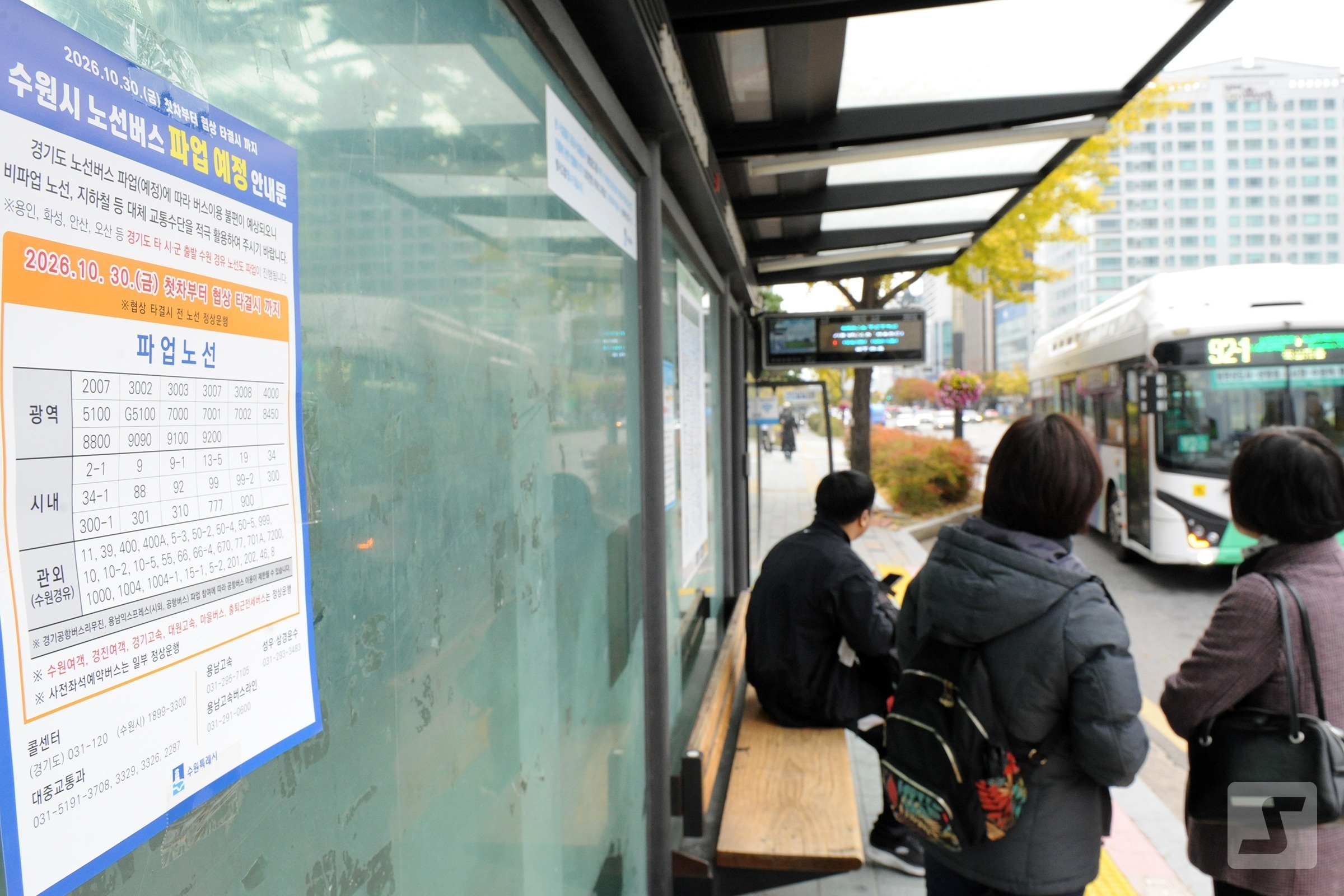
Management and labor in Gyeonggi Province's local bus industry have moved into final negotiation procedures for wage and collective agreement settlements, drawing a final line in the sand following the passage of a strike vote. If negotiations ultimately fail, approximately 3,800 buses across 15 cities and counties in Gyeonggi Province are set to halt operations entirely from tomorrow morning's (30th) first departures, raising concerns of massive commute-hour transportation chaos.
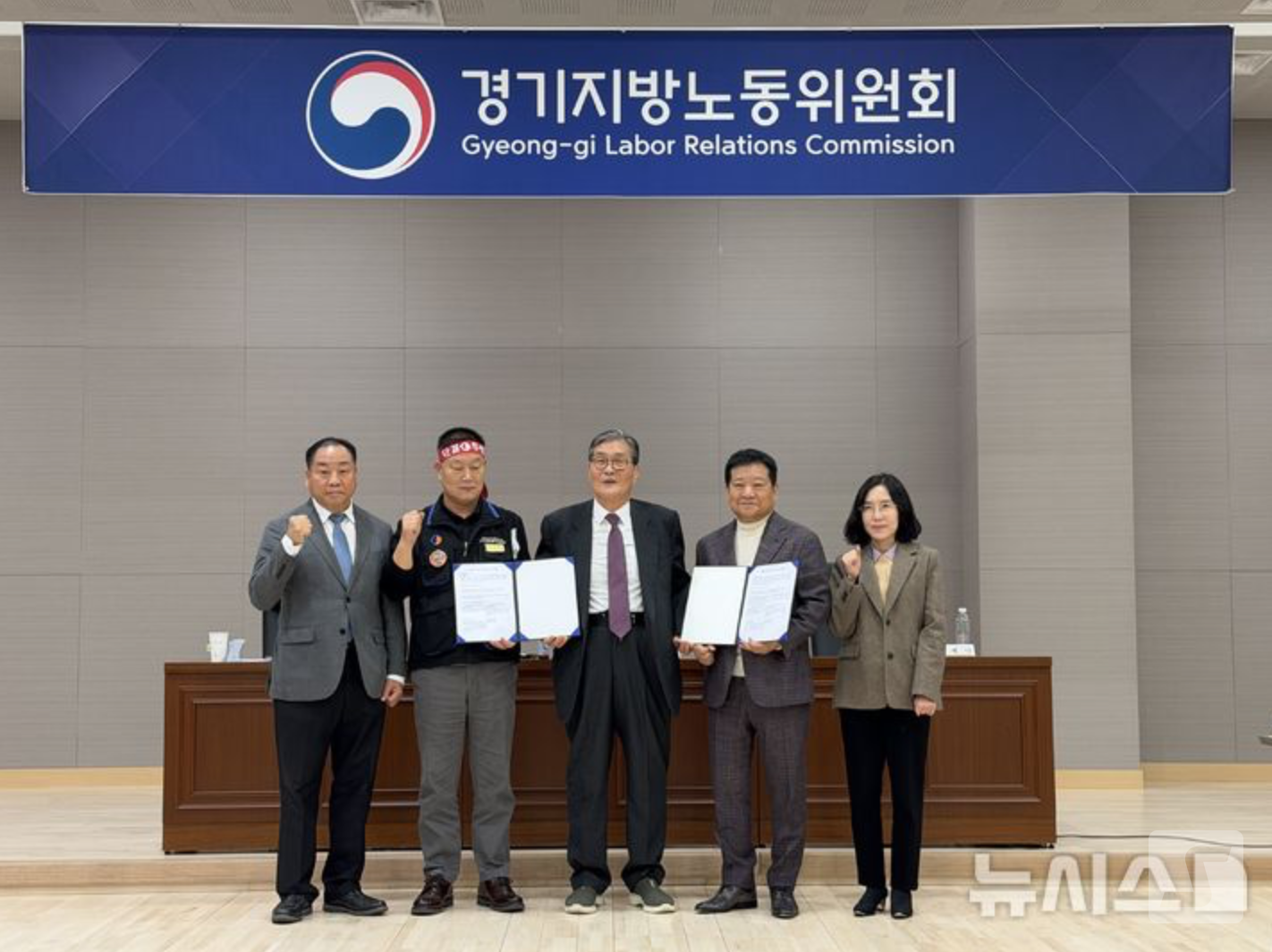
According to relevant local governments and labor circles on the 29th, the Gyeonggi Regional Labor Relations Commission opened final adjustment meetings from 3 p.m. that day with representatives of the Gyeonggi Regional Automobile Workers' Union and the Gyeonggi Province Bus Transportation Business Association in attendance for last-minute mediation. The negotiation deadline for both sides is midnight that day.
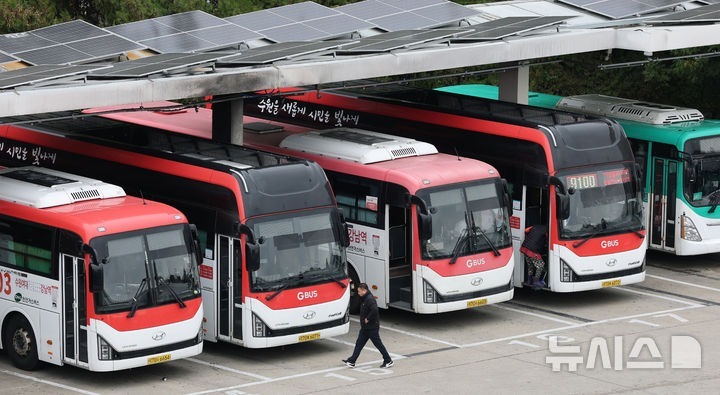
Should this adjustment round fail, 3,798 vehicles belonging to 29 bus companies will begin a simultaneous strike from the first departures on the 30th. However, as KD Transportation Group, the largest transport operator accounting for approximately 36% of the total bus fleet in the province, has already completed its own labor-management negotiations, the strike impact is expected to be concentrated in 15 cities out of 31 cities and counties across the province.
◇ 'Wages guaranteed at Seoul levels' vs. 'wage freeze due to fiscal burden'...Parallel positions remain
The maximum point of contention between labor and management is undoubtedly the scope of wage increases. The union side is demanding wage increases of approximately 21.56% for semi-public operation routes and 30% for private operation routes, citing the spirit of tripartite agreements. The intent is to narrow the gap with Seoul city bus drivers and achieve substantive improvements in treatment. Additionally, proposals for improved working conditions, including reduced working hours and introduction of accident-free bonus systems, have been placed on the negotiation table.
Conversely, management and Gyeonggi Province, the supervising local government, are strongly opposing on grounds of accumulating fiscal deficits. Management has not presented significant increase proposals for semi-public operation routes and is maintaining a position that wage freezes are unavoidable for private operation routes. Gyeonggi Province likewise indicates that current acceptance is difficult, as accepting all of the union's demands would require massive local government finances to be allocated, with both sides' positions remaining parallel for several months.
As the strike crisis became a reality, Gyeonggi Province immediately implemented 24-hour emergency operations to minimize citizen inconvenience.
The province plans to deploy emergency charter buses on a rotating basis at 160 major transit hubs and increase the frequency of subway and commuter rail operations during rush hours. In addition, the plan is to secure alternative transportation by concentrating dispatch of approximately 27,000 taxis across cities and counties.
The possibility that both labor and management could produce a dramatic settlement through all-night negotiations, as occurred last year, cannot be completely ruled out. During last year's negotiations as well, a tentative agreement was reached around 6 a.m. following final adjustments that extended into the early morning. The direction of all-night negotiations will determine whether commuters' mobility is restricted or operations miraculously return to normal.
Loading comments…