



Yangju Hwaeamsa Site Passes UNESCO Advisory Committee Assessment…Targeting 2029 Inscription
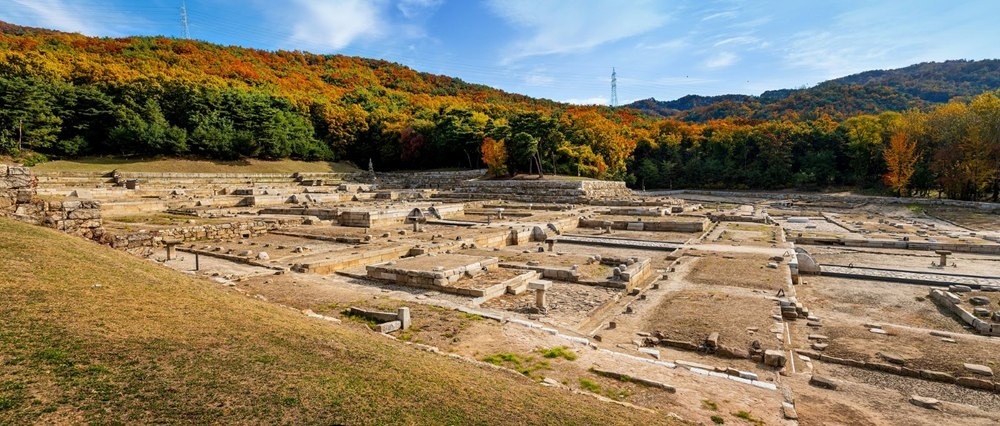
The Yangju Hwaeamsa Site is expected to pass the first gateway for World Heritage inscription. Yangju City has set 2029 as its target year for final inscription.
The International Council on Monuments and Sites (ICOMOS), the official advisory body for UNESCO cultural heritage, has determined that Yangju Hwaeamsa Site likely meets World Heritage inscription criteria (ii) and (iii), according to Yangju City.
The "Preliminary Assessment" is an international review process newly introduced by UNESCO starting in 2021, designed to allow prospective World Heritage sites to undergo pre-discussion with advisory bodies from the early stages of inscription preparation, receive evaluation of the site's completeness, authenticity, and outstanding universal value, and increase the likelihood of successful inscription applications.
Yangju City submitted a preliminary assessment request to the UNESCO World Heritage Center in September 2025 for "Hwaeamsa Site: Exemplary Archaeological Remains of a 14th-Century East Asian Seon Buddhist Temple," and after more than a year of document review, recently received the evaluation results from the International Council on Monuments and Sites, the city announced.
Yangju City plans to reflect the recommendations from the preliminary assessment and work with the National Heritage Agency and Gyeonggi Province to proceed with follow-up procedures, including selection as a World Heritage inscription candidate. The target year for final inscription is 2029.
The International Council on Monuments and Sites stated in its evaluation that "the Hwaeamsa Site is judged to have a high likelihood of meeting World Heritage inscription criteria (ii) and (iii)." The council also presented recommendations including expansion of the heritage boundary to include a broader landscape environment and supplementation of the description for criteria (ii) and (iii).
Inscription criterion (ii) evaluates important cultural exchange in the fields of architecture, technology, and art, while (iii) assesses unique evidence of cultural traditions or civilizations that exist or have disappeared.


Loading comments…