



Kim Gap-dong's Perspective The Responsibility of the Transition Committee for the President-elect is Weighty

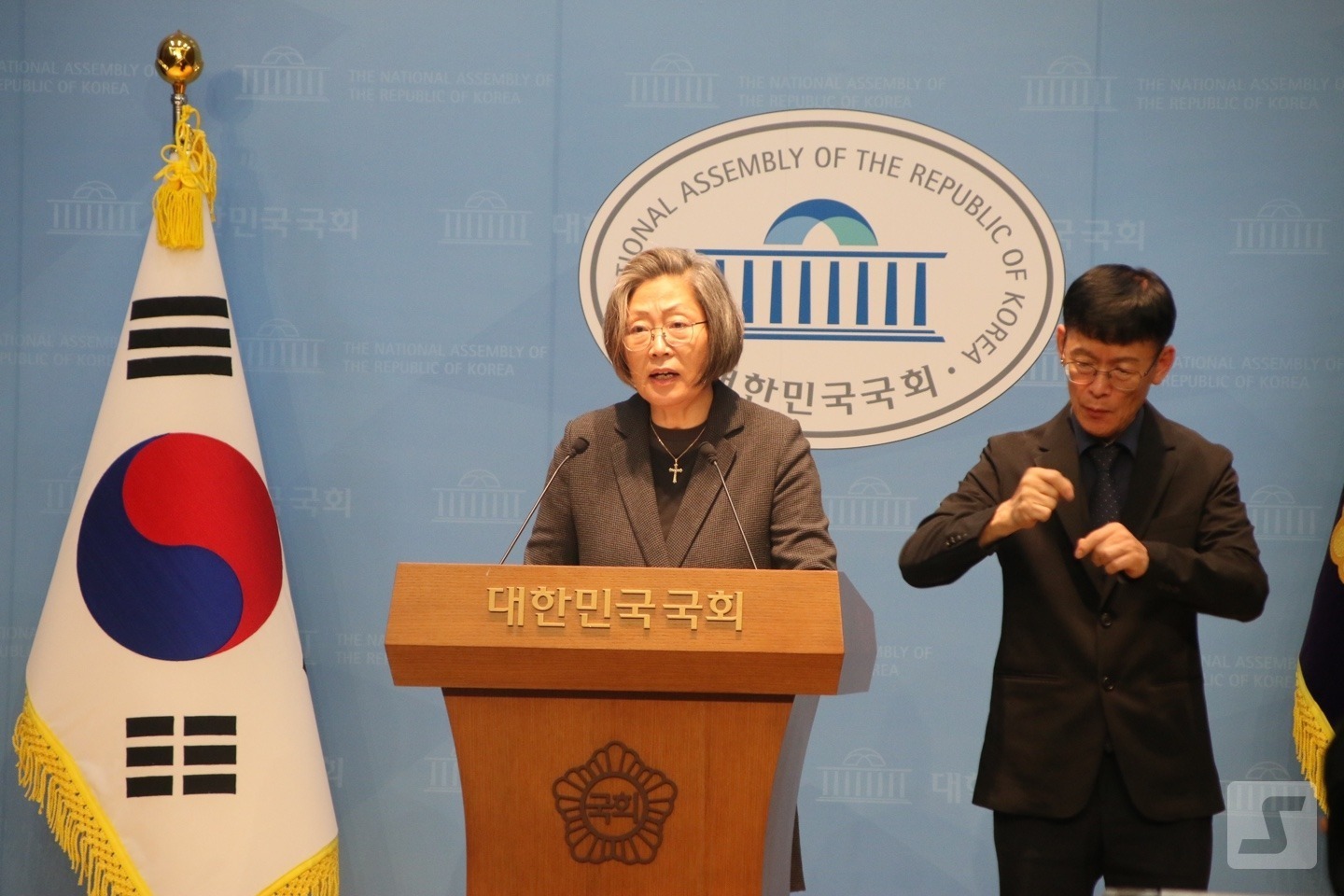
The provincial transition committee for Choo Mi-ae, the governor-elect of Gyeonggi Province, launches today (the 15th).
Its official name is the 'Gyeonggi Preparation Committee for Fairness, Innovation, and Inclusion.'
With 15 days remaining until the start of the ninth term of popularly elected government, Gyeonggi provincial administration is effectively beginning now.
This is because, upon launch, the Gyeonggi Preparation Committee will begin establishing the direction of ninth-term provincial administration and implementing people's livelihood pledges.
Additionally, it plans to organize promotion procedures for each pledge and establish a cooperative structure with 31 cities and counties.
The transition committee is a core institution that draws the blueprint for provincial administration over the next four years.
Its activity period spans from after the election until 20 days after the leader takes office.
During this period, the president-elect's pledges and vision must be materialized into policy and decisions must be made.
Therefore, although the activity period is brief, its significance is by no means light.
This is especially true considering that the early success or failure of the Choo Mi-ae administration of Gyeonggi Province depends on the transition committee's activities.
The role and responsibility of the transition committee members are also important.
Personnel with expertise and diversity must strengthen policy verification capabilities and broadly reflect provincial residents' opinions.
This is not only the case for Gyeonggi Province, a metropolitan authority.
The same applies to the transition committees of basic local government bodies within the province that have already completed their composition and are in operation.
Particularly, the role of transition committee members in areas where leadership has changed is more weighty.
Based on objective and cool evaluation of predecessor policies, administrative continuity must be determined.
Only then can the president-elect's good policies be newly implemented and their rationale be recognized.
While remaining cautious of unconditional erasure of predecessors' legacies, projects with revealed limitations can be boldly organized.
However, more important than this is re-examining whether the pledges presented in the election process are actually feasible.
Additionally, committee members must put their heads together to determine what priorities exist and how to secure financial resources.
How to organize the structure must also be made concrete.
When implementation plans to materialize pledges are carefully laid out, the president-elect's policies and vision can truly shine.
Furthermore, the success or failure of the president-elect's four-year term depends on how realistic a blueprint and persuasive roadmap for change are presented.
We anticipate proper activities from the transition committees of Governor-elect Choo Mi-ae of Gyeonggi Province and other replaced basic local government leaders within the province.
Loading comments…