



Editorial The State's Responsibility to Fallen Firefighters: Respond with Law and Budget Beyond Tribute
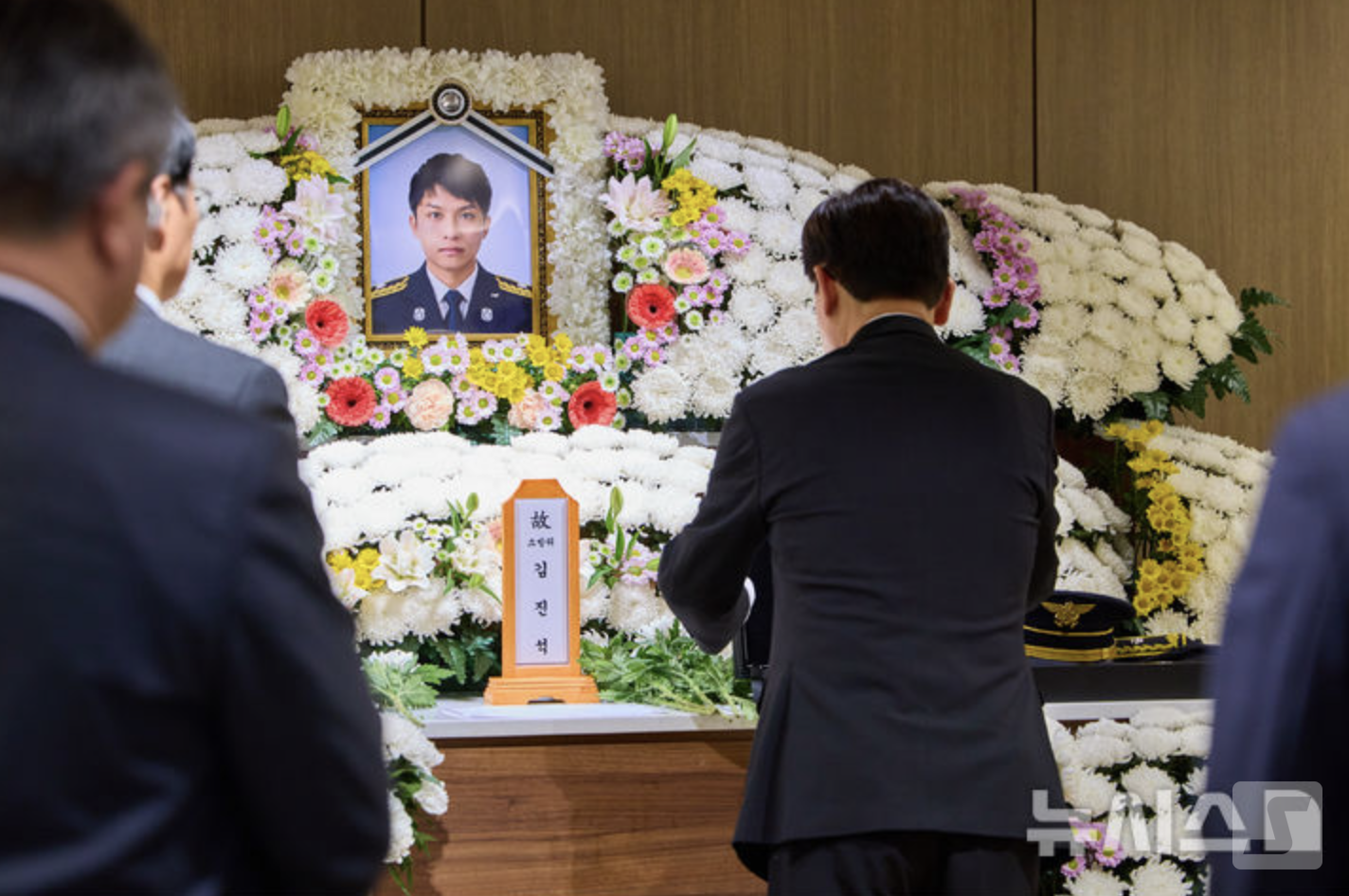
Another firefighter has lost his life at a perilous fire scene. On the 17th, Fire Captain Kim Jin-seok was killed in the line of duty while engaging in firefighting and life-saving operations at a manufacturing factory fire in Bucheon, Gyeonggi Province.
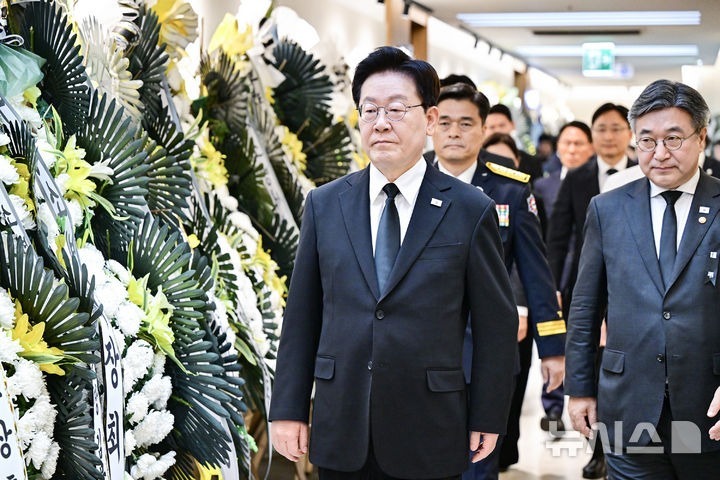
President Lee Jae-myung, who visited the deceased's wake and posthumously conferred the Order of Merit for National Service, stated that "protecting firefighters' safety is the state's fundamental duty" and pledged support for bereaved families, inspection of on-site safety measures, and improved working conditions. While this is an appropriate commitment from the nation's top leader, it must not end as mere "empty declarations" that have been repeated each time such tragedies recur.
Staffing shortages and safety management failures hidden behind the sacrifice of 'heroes'
The tragic deaths of firefighters are human disasters caused by structural failures in the field, not by individual misfortune or mistake. As disaster scenes become larger and more complex, the occupational hazards faced by firefighters have exceeded critical levels.
Yet our society has largely depended on individual firefighters' noble sense of mission and heroic sacrifice while tolerating safety management failures in the field. If firefighters are forced into hazardous situations without adequate safety equipment and personnel support in the face of toxic gases and risks of structural collapse, no amount of decorations or condolences can be meaningful.
If the state truly intends to take responsibility for firefighters' safety, it must radically transform working conditions in the field. Along with introducing advanced equipment to identify hazards in advance and make precise decisions about personnel entry, genuine safety control that allows immediate withdrawal from the scene in dangerous situations must be guaranteed. Moreover, improvements to shift systems and personnel expansion measures to resolve chronic staffing shortages, excessive workloads, and accumulated fatigue must be implemented concurrently. The firefighting system that stakes firefighters' lives must end immediately.
Rather than empty consolation, immediately proceed with 'legalization of bereaved family livelihood support'
The compensation system for bereaved families and injured personnel must also be comprehensively reorganized to meet advanced nation standards. To ensure that bereaved families do not suffer economic and emotional hardship due to the absence of a breadwinner, the state must codify and legalize long-term living and educational support systems. State-funded treatment and psychological recovery support for fellow firefighters who suffer injuries in the field or experience severe psychological trauma are also urgent tasks.
To prevent the guest book entry—"Within the safe daily lives you protected, the people will remember your sacrifice forever"—from becoming empty words, the government and National Assembly must take immediate action. Firefighter safety and labor rights protection are directly connected to public safety. The government must move beyond mere tributes of remembrance and respond with concrete solutions: enacting bills to improve firefighter treatment and expanding budgets.


Loading comments…