



Editorial Gyeonggi Province Council Members' Policy Activity Allowance Increase Must Gain Public Consensus Beyond 'A Game Just for Them'
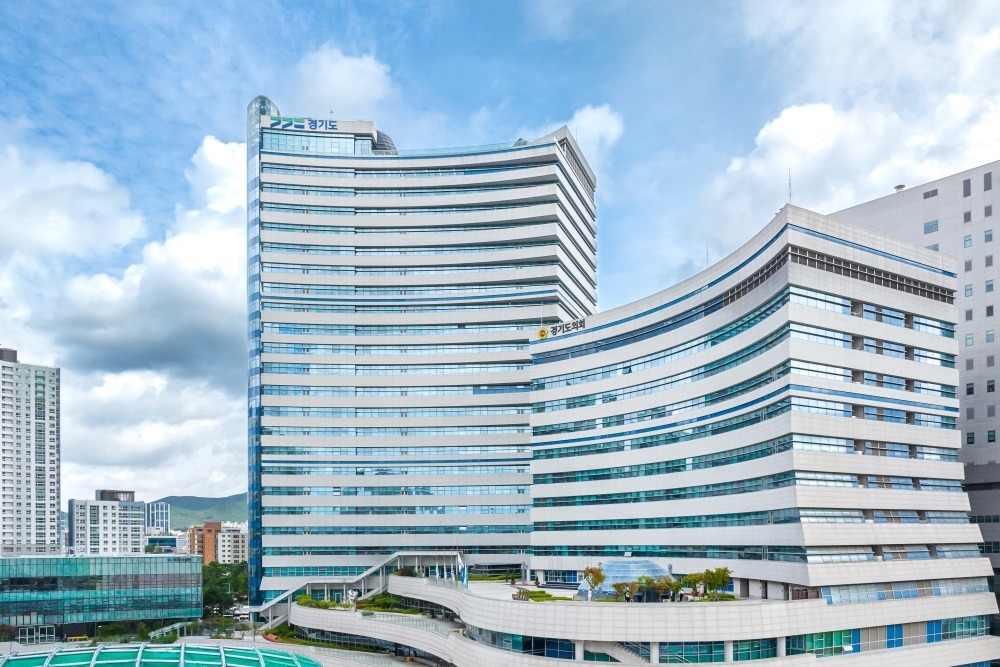
The Gyeonggi Province Policy Activity Allowance Review Committee has decided on next year's monthly allowance for provincial council members at 54.756 million won annually. When combined with 24 million won in annual policy activity expenses, the total annual policy allowance per council member reaches 78.756 million won. This represents a 3.5% increase from this year and is the highest level among local legislatures nationwide. While there is a procedural basis reflecting the salary increase rate for local civil servants, given the current economic reality and social sentiment Gyeonggi Province faces, it seems few residents will fully accept this decision.
The Upside-Down 'Game Just for Them' Amid Economic Crisis and Tax Revenue Shortage
Currently, Gyeonggi Province and other local governments are restructuring budgets like squeezing water from a dry towel amid severe tax revenue shortages and financial difficulties. The civilian economy is suffering from the aftermath of high inflation and high interest rates, and the majority of residents are bearing shared hardship amid declining real incomes. In such an emergency economic situation, raising compensation for provincial council members easily appears as if the political sphere alone is stepping out of line in sharing the burden. One must question whether the mechanical standard of applying civil servant salary increase rates can truly serve as absolution before such a grave reality of people's livelihoods.
Absolution Without Substantive Procedures and Competency Verification
The local assembly policy activity allowance system was originally introduced to enhance the professionalism of local council members who were once unpaid honorary positions and enable them to focus on policy activities. However, while salary increases mechanically reflect civil servant raise rates, one must ask candidly whether the enhanced policy capacity and results of responsible politics that residents demand have improved accordingly. In particular, it is a painful point that the process of gathering public opinion in this increase was conducted merely formally and did not undergo sufficient public discussion.
Of course, there is merit to the argument that reasonable compensation must back efforts to attract talented individuals to local legislatures and enable them to dedicate themselves to policy activities. However, such compensation gains legitimacy only when it remains within the framework of 'residents' perspectives' and 'local fiscal soundness.'
The essence of local self-governance lies in caring for residents' lives. Residents are watching at every moment how their taxes are being spent. In the upcoming provincial assembly deliberation process, it is hoped that rigorous self-reflection and responsible discussion will occur regarding whether this decision truly meets residents' common sense and fairness. Restoring trust in politics beyond the validity of figures should come first.


Loading comments…