



Editorial Choo Mi-ae's 'SOS Call': How to Ensure It Doesn't Become an Unanswered Distress Signal

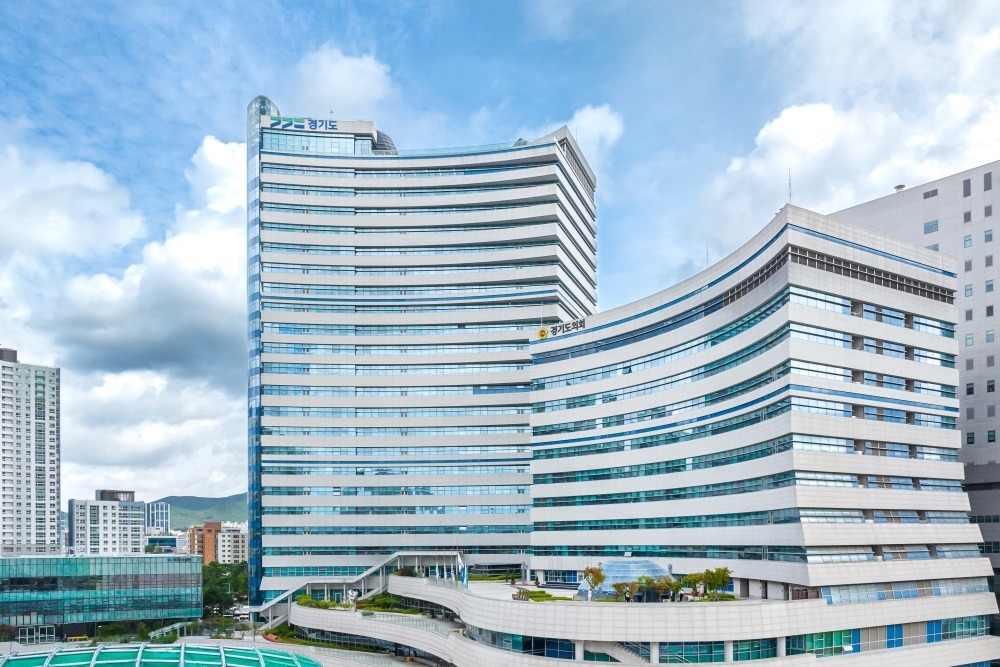
On the occasion of marking 100 days in office, Choo Mi-ae, Governor of Gyeonggi Province, sent letters to 51 Democratic Party members of the National Assembly from the Gyeonggi region. She is requesting legislative cooperation on "three major fiscal tax reform tasks": raising the local consumption tax rate from 25.3% to 40.3%, transferring 5% of the national corporate tax to provincial taxes, and converting local education tax from tobacco consumption into firefighting resources. This is essentially a distress signal, an SOS, sent by a provincial government of 14 million residents to the National Assembly.
However, the timing of this distress signal is rather ironic. Just two days earlier, it was not the opposition but a fellow party member who directly questioned the Choo administration's declaration of "fiscal emergency" during the National Assembly's Audit and Inspection of the Ministry of the Interior and Safety. The Minister of the Interior and Safety responded, "By the standards of the Ministry of the Interior and Safety, it is neither a fiscal crisis nor a situation requiring caution." In fact, Gyeonggi Province's debt-to-ratio stands at 13.71%, falling short of the 25% caution threshold. Within the party, there was even a direct attack from a pro-Moon faction member who took on the role of "red team." Yesterday saw sharp exchanges within the same party, and today, those party members received a distress signal. It is rare to find a rescue scene where the one signaling distress and the one to provide rescue cast suspicious eyes at each other.
If this discord is not resolved, the SOS will be difficult to answer. Given that the competent authority has officially confirmed that "it is not a crisis," for the request to "change the structure itself" to carry persuasiveness, one of two things must be proven. If the official fiscal indicators do not capture the crisis on the ground, it must be shown in numbers; otherwise, the emergency declaration risks the criticism of being an exaggeration. The province's explanation that 313.2 billion won was left unfunded because essential livelihood projects were budgeted for only nine months is certainly not a light matter. However, before sending letters, the province must first be verified at the audit hearing as to why that number conflicts with the Ministry of the Interior and Safety's indicators and what the true nature of revenue projections and available resources are. If the province loses the numbers war, the letter will be read not as an appeal but as politics.
There is one more thing to address. Choo Mi-ae is a governor from the ruling party. She is from the same party as the president, and that party holds the majority in the National Assembly. Previous governors of Gyeonggi Province had an excuse that "the central government is not cooperating," but that excuse does not apply to Governor Choo now. Persuading the Ministry of Strategy and Finance, which holds the keys to fiscal reform, and coordinating the resistance from non-capital regions whose tax revenues would decrease are tasks to be resolved at the party-government table. If the province cannot first clear away doubts within the party before sitting at that table, fifty-some letters will end as distress signals with no recipients. The reason why politics of coordination is needed—drawing cooperation by fully utilizing the position of a ruling party governor—rather than establishing a tough image through the prosecutor and justice minister years.
The province itself has clear tasks to complete. The province's own calculation is that if the three major tasks are institutionalized, a financial base of 14.1 trillion won over four years will be created. National tax transfers create ripple effects on local allocation taxes and national finances, and the concerns of non-capital regions about the concentration of tax sources in the capital region are not without basis. It is the province's responsibility to verify the numbers and present a design for mutual prosperity.
Governor Choo raised the slogan "capability in Gyeonggi." An SOS is completed not by the one sending it but by the one drawing a response. Answering the suspicions of fellow party members with numbers, proving the gap between the government's standards and the crisis on the ground, and actually receiving a legislative response as a result. That is the only way to turn the slogan into capability. An unanswered distress signal ultimately remains the responsibility of the one who sent it.

Loading comments…