



Hwaseong Special City Pursues Implementation Plan for 53 GB Deregulation Districts with Long-Pending Facilities
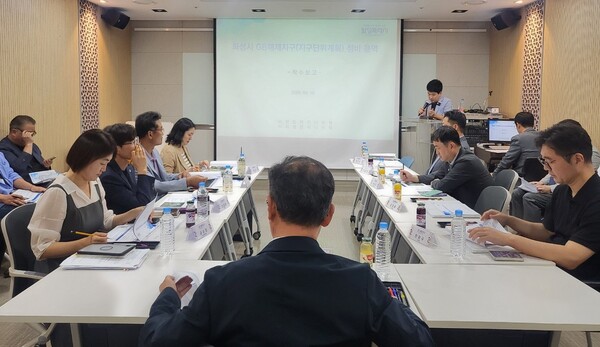
Hwaseong Special City (Mayor Jeong Myung-geun) has launched the 'Hwaseong GB Deregulation District (district unit plan) maintenance project' to establish systematic urban management measures for deregulated areas of the Green Belt (GB) and to reorganize infrastructure plans.
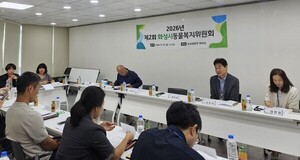
The city held a kick-off meeting on the 18th to discuss the project's direction and key tasks.
This project targets a total of 53 districts, covering 2.56 square kilometers, which have been designated and managed as district unit plan zones following the comprehensive Green Belt deregulation in 2004 and 2006. The project period runs from July 2026 to November 2027.
At the kick-off meeting, the city reviewed the overall status of long-pending urban planning facilities and focused on discussing the direction of maintenance for facilities nearing expiration. The city plans to comprehensively review regional conditions and implementation feasibility for long-pending urban planning facilities approaching expiration and establish rational maintenance measures.
The main implementation directions include △establishing and maintaining implementation plans for projects with high feasibility △adjusting facility scales to reflect changed regional conditions △and phased deregulation of facilities with insufficient justification or difficult implementation.
Through this project, the city plans to rationally adjust unnecessary urban planning regulations to activate land use, while coordinating closely with related departments to expedite projects for essential infrastructure. The goal is to reflect changed regional conditions in urban planning and enhance the effectiveness of plans.
Hwaseong Special City Mayor Jeong Myung-geun stated, "It is important for urban planning to faithfully reflect changed regional conditions and residents' actual living circumstances," adding, "Through this project, we will carefully examine the necessity and feasibility of long-pending urban planning facilities and establish rational maintenance measures so that infrastructure needed for residents' daily lives can be created in a timely manner."
He continued, "By carefully reflecting regional characteristics and conditions, we will rationally adjust unnecessary regulations and establish conditions for seamless pursuit of needed infrastructure projects, thereby building an effective urban management system that residents can experience firsthand."

Loading comments…