



iPhone Duo Priced at 3.29 Million Won Receives Free Replacement Four Days After Launch..."First-Generation Curse" Apple Could Not Escape
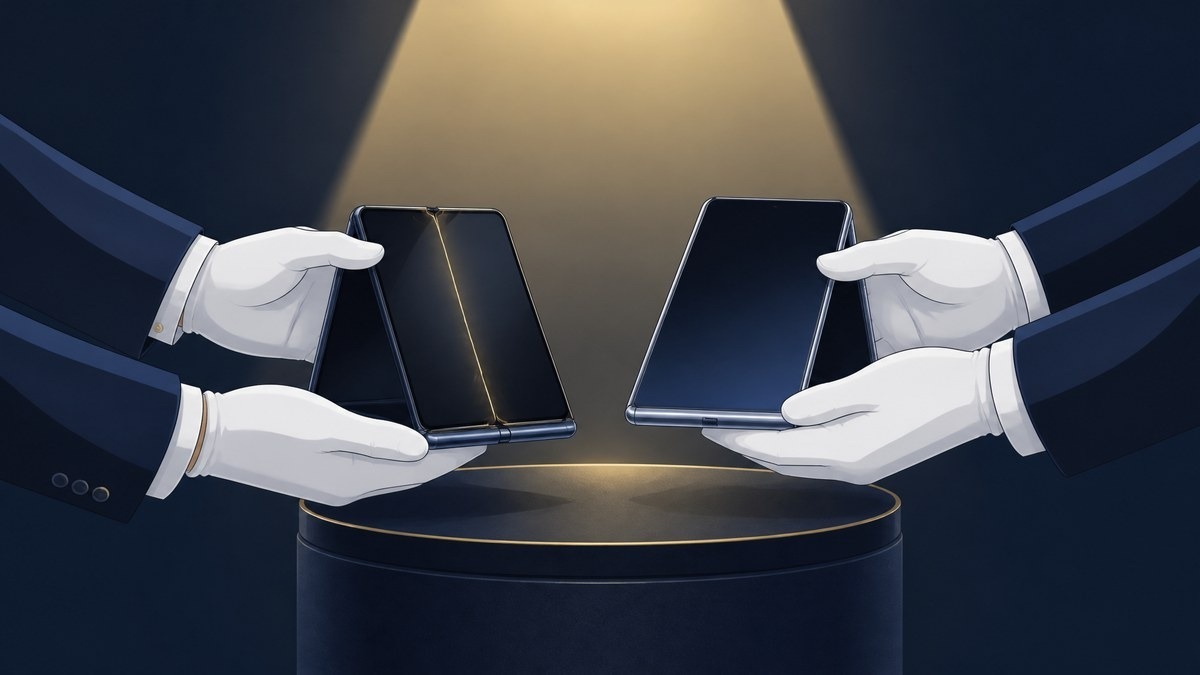
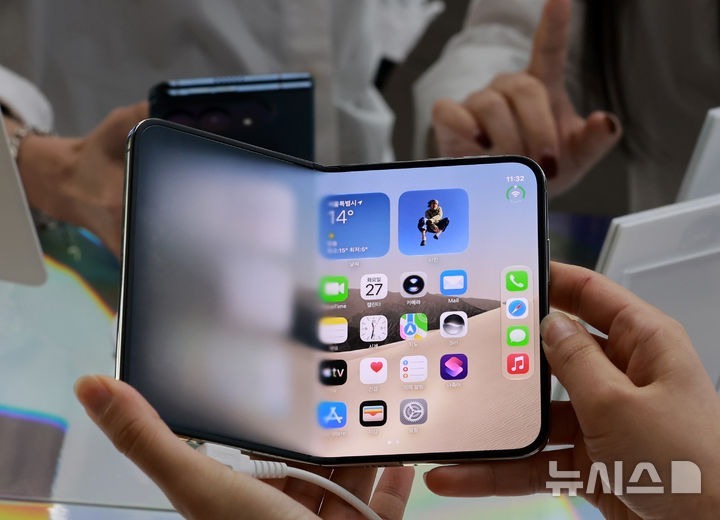
Apple officially acknowledged screen damage issues with its first foldable iPhone, the "iPhone Duo," and launched a free replacement program. This comes just four days after its official launch on the 23rd. Even Apple, which has positioned itself as a paragon of quality, could not escape the so-called "first-generation curse" that new form factors must pay the price for.
Apple stated on the 26th (local time), "We are aware of issues affecting the internal display in a small number of iPhone Duo units," and urged customers to "contact Apple Care to arrange a replacement." This is the first time Apple has acknowledged a display defect in the iPhone Duo. Here, Apple Care refers to a customer support channel, and replacements can be requested regardless of whether customers have purchased AppleCare Plus, the paid warranty service.
Following the launch, reports of display damage emerged from the United States and China when users unfolded the folded screen. The damage cases showed a common pattern of the screen becoming non-responsive horizontally or vertically along the lower hinge area. However, Apple did not disclose the cause of the defect, which symptoms qualify for replacement, or how long replacements take. While some cases of replacement at Apple Stores with new units have been reported overseas, IT media MacRumors reported that some users are waiting for replacements due to initial stock shortages.
The history of foldables has seen this scene twice before. In 2019, Samsung Electronics' first foldable Galaxy Fold saw screen damage proliferate during pre-launch reviews, delaying its release by five months before the hinge and screen protective layer were redesigned and the device entered the market. In 2023, Google's first foldable Pixel Fold also faced reports from reviewers and early buyers of the screen dying around the fold area shortly after launch. The "rite of passage" for first-generation foldables remains unchanged regardless of the manufacturer.
Apple itself has paid tuition with the first generation of each new design. In 2010, the iPhone 4 experienced "Antennagate" with poor signal reception from its first design embedding an antenna in the frame and distributed bumper cases for free. In 2014, the iPhone 6 suffered from "Bendgate" as its thinner aluminum body bent, and the MacBook's butterfly keyboard introduced in 2015 led to repeated failures, resulting in a free repair program that eventually led to the design itself being abandoned. This latest free replacement also falls within that lineage.
A defect does not equal the death of a brand. The divergence lies in the response. In 2016, during the Galaxy Note 7 battery fire crisis, Samsung Electronics decided to discontinue the product two months after launch after two recalls and collected all sold units. Despite the decision to accept losses in the trillions of won, it became industry consensus that the Galaxy brand survived thanks to that determination. Conversely, responses that deny defects or blame consumers are remembered longer than the defects themselves. Apple, which questioned "how to hold it" in the early stages of Antennagate, is the party that paid that tuition.
This curse is particularly painful because of price and volume. The domestic starting price for the iPhone Duo is 3.29 million won. With rising component costs such as memory semiconductors and initial foldable production processes not yet stabilized, the initial supply quantity itself is limited. Analysis suggests that damaged product replacements will be difficult to process quickly in a stock shortage situation, and user complaints about not being able to get immediate replacements have been reported by foreign media outlets including Bloomberg. The cost of the defect is ultimately being passed on to consumers as waiting time.
This is why what comes after the first-generation curse is more important than the curse itself. Perfect first generations are rare, and what protects a brand is not whether a defect exists but how it responds afterward. Apple acknowledged the defect within four days and opened free replacement without enrollment conditions. The start is not bad. What remains is the transparency and speed of replacement criteria, and inventory. Whether the 3.29 million won trust can be maintained is no longer determined by the curse but by the response.



Loading comments…