



Gyeonggi Foundation for Accelerating Tech & Science (GFATS) Reduces Administrative Work Through AI, Enhancing Business Support Services
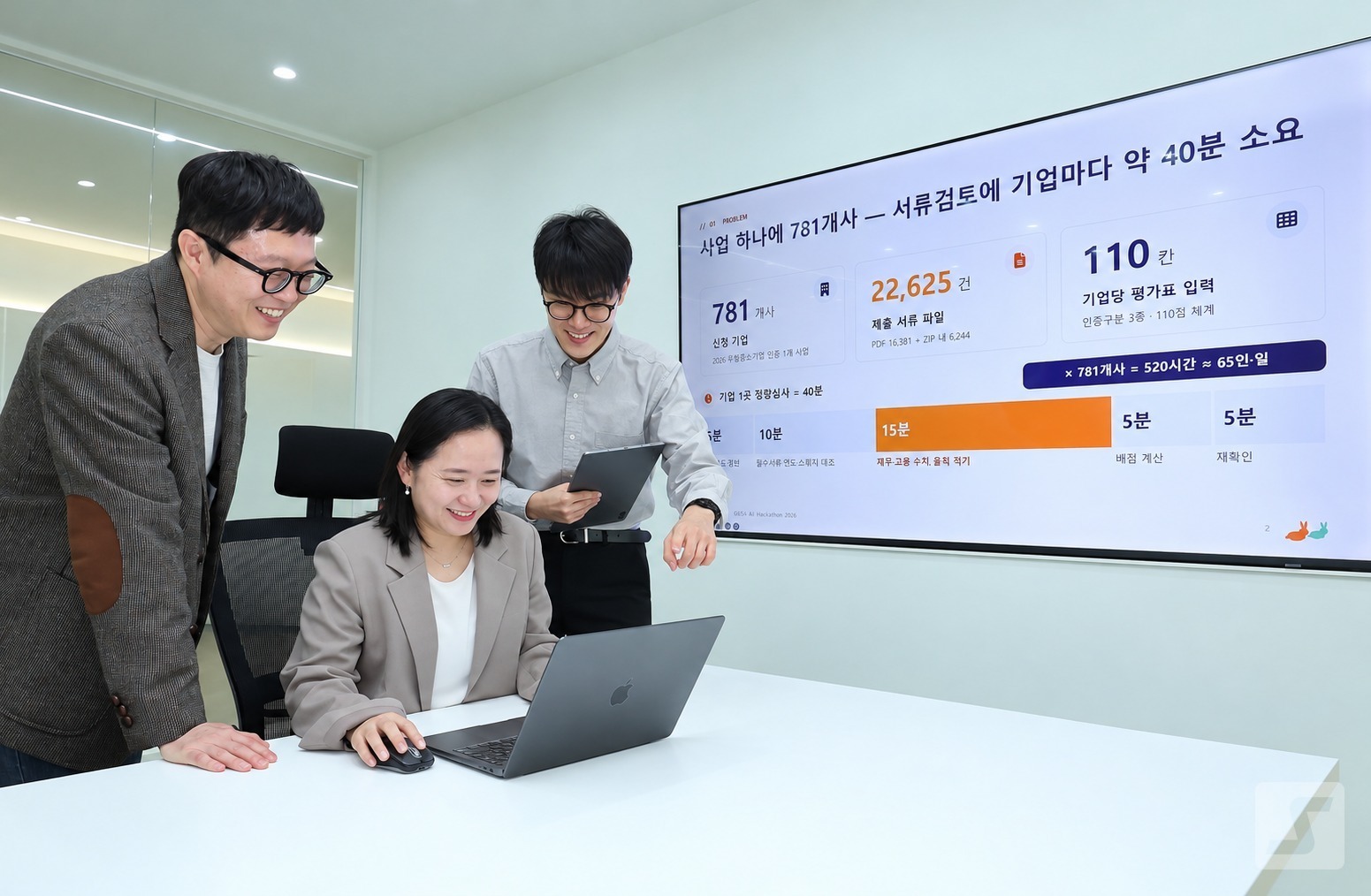
The Gyeonggi Foundation for Accelerating Tech & Science (GFATS) announced on the 3rd that it is leveraging generative artificial intelligence (AI) to reduce repetitive administrative tasks and redirecting the time saved toward business consultations and new project planning, thereby strengthening corporate support services.
According to GFATS, a survey conducted in September on employees' AI utilization and work efficiency showed that 60% of respondents reported that work performance time using AI was reduced by 30% or more compared to before.
The survey was conducted among 125 employees out of 347 who participated in AI training in the latter half of this year and responded to the questionnaire.
93% of respondents reported using generative AI in their work, with 51% using it daily and 82% using it three or more times per week. In particular, 28.8% of respondents said that work performance time using AI was reduced by more than half.
The time saved through AI implementation is being used to improve work quality and strengthen corporate support capabilities.
In a multiple-choice survey asking how the time saved is being utilized, verification of materials and strengthening work quality control ranked highest at 61.6%, followed by development and planning of new projects and policies at 28.8%, and strengthening external support work such as business consultations at 21.6%.
GFATS is not merely automating administrative tasks but transforming work methods to allow employees to dedicate more time to business operations and policy planning rather than repetitive work.
In practice, the corporate support department is using AI to analyze industry trends and market conditions for target companies, and the overseas expansion support department is assisting companies' market entry by investigating market information by country, import-export statistics, and certification systems.
The startup support department is also utilizing AI in business plan reviews and identification of support projects for individual companies. Employees verify the information organized by AI and then specify support directions tailored to each company's situation.
An official at GFATS stated, "By utilizing AI in our work, we have reduced average daily work time by approximately two hours," and added, "By applying the time previously spent on repetitive tasks to on-site business visits, consultations, and post-support project management, we have been able to focus more on corporate support work."
Cases are also emerging where employees are directly developing work systems using generative AI.
The Personnel and General Affairs Team at GFATS developed a QR code-based attendance management system and an in-house training enrollment system, automating repetitive administrative tasks from training application through attendance management to certificate issuance.
Previously, training attendees had to record their attendance on paper rosters and the person in charge had to reorganize this information, but now attendance information is automatically recorded and aggregated with a simple QR code scan.
Training enrollment has also been improved so that employees check schedules and remaining capacity and apply directly, with waitlisted applicants being automatically registered when openings occur.
GFATS's work innovation started with the "paperless accounting administration" initiative launched from 2024 onwards.
By implementing an electronic document-based work system that reduced paper document production and printing procedures, approximately 470,000 sheets of A4 paper were saved from last year through September of this year. When converted into paper purchase costs and color printing costs, this is estimated to have generated approximately 760 million won in budget savings.
Recognized for such achievements, GFATS won the grand prize in last year's "Gyeonggi Province Public Institution Excellence Policy Evaluation."
Starting this year, GFATS is expanding the scope of work innovation by pursuing "AI Administrative Innovation 2.0," which combines generative AI with the electronic document-centered work system.
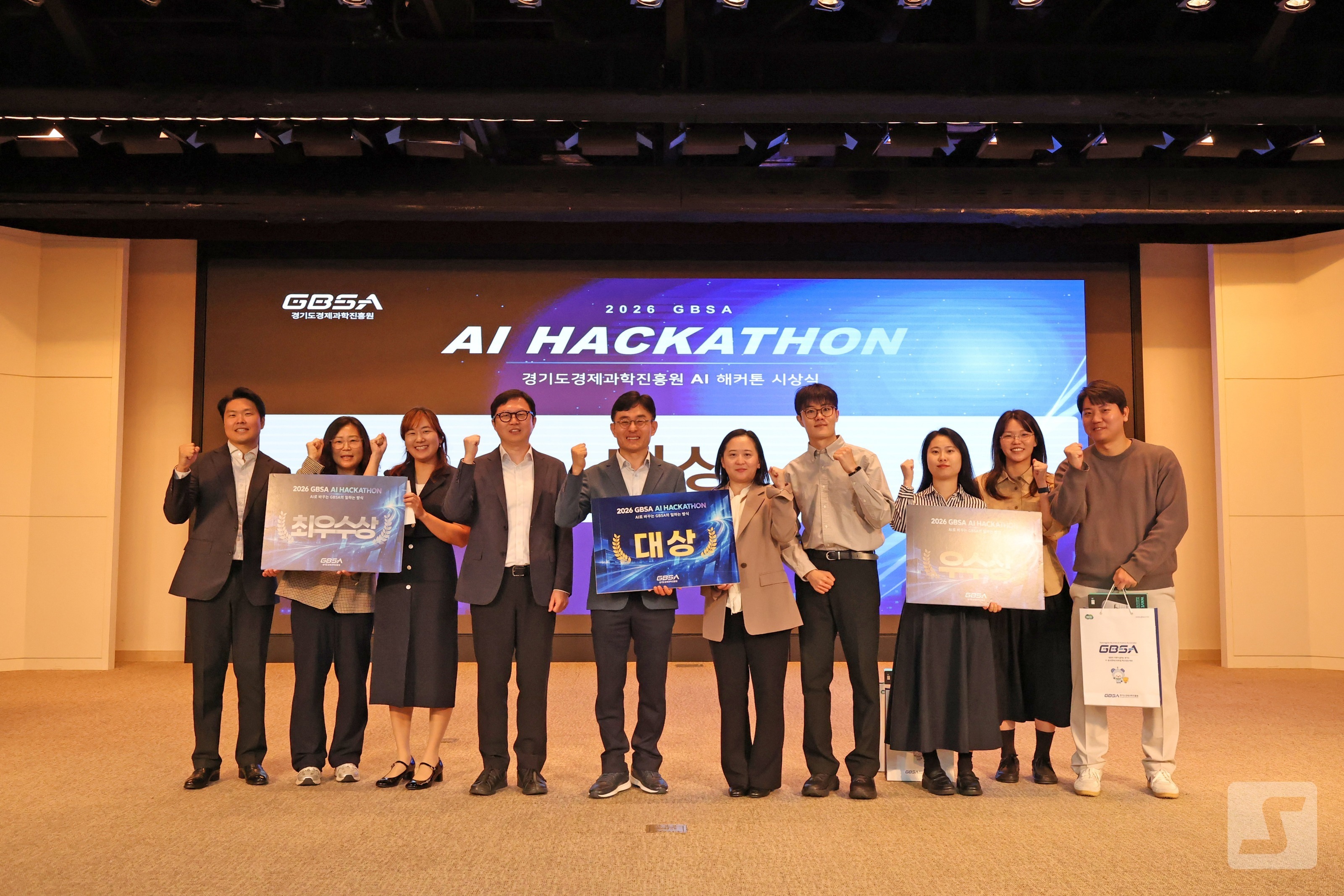
On the 2nd of last month, GFATS held the "2026 GBSA AI Hackathon," with 14 teams and 42 employees from all departments participating, showcasing AI work tools developed by employees.
The 'Rabbit²' team, which won the grand prize, developed an AI-based automated evaluation tool that can handle document verification for corporate support projects, evaluation score calculation, and performance analysis.
GFATS plans to enhance the tool's functionality, conduct field verification, and apply it to actual corporate support projects.
GFATS President Kim Hyun-gon said, "The starting point of AI administrative innovation lies in strengthening employee capabilities," and added, "Through continuous AI training, we will enhance employees' work expertise, and by reducing repetitive tasks and dedicating the time saved to business consultations and policy planning, we will expand support services that companies in the province can truly benefit from."
Loading comments…