



"Even if I face political burning at the stake"... Choo Miae's firefighting remarks controversy reignited
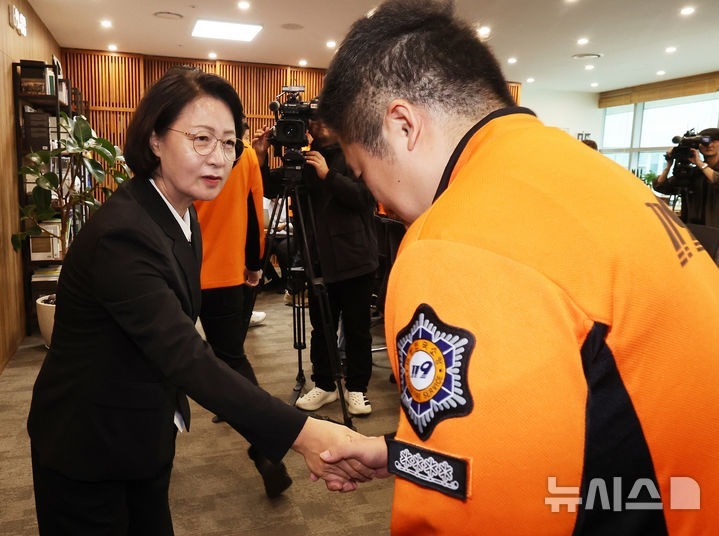
Governor Choo Miae of Gyeonggi Province has reignited political controversy by mentioning "burning at the stake" in connection with firefighting fiscal issues.
According to political circles on the 26th, Governor Choo stated on the 23rd: "Regardless of whether I face political burning at the stake, I am determined to see appropriate innovation in this issue that our society has turned a blind eye to." The remark was revealed on the 25th.
At a National Assembly administrative and security committee inspection of Gyeonggi Province on the 13th, Governor Choo repeatedly apologized for her remarks comparing firefighting to a "fiscal straw," stating "the expression was inappropriate." However, she reaffirmed the position that the fiscal structure in which local governments bear a substantial portion of personnel costs should be improved, despite firefighters converting to national employment status.
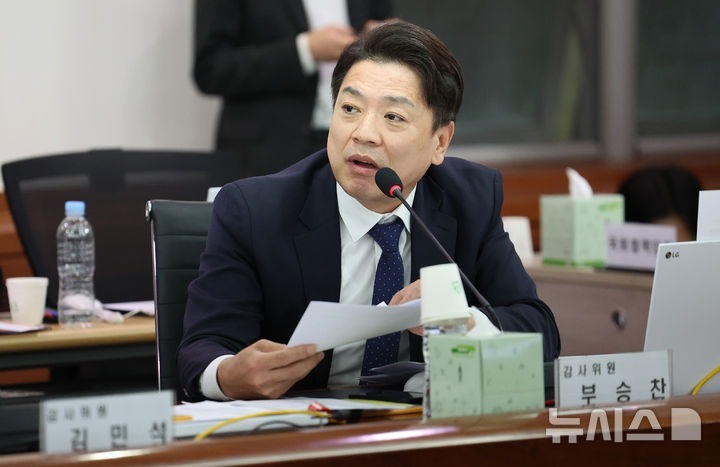
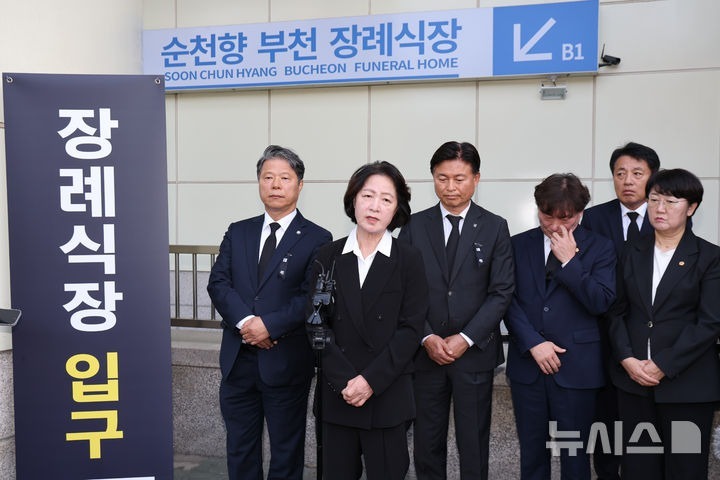
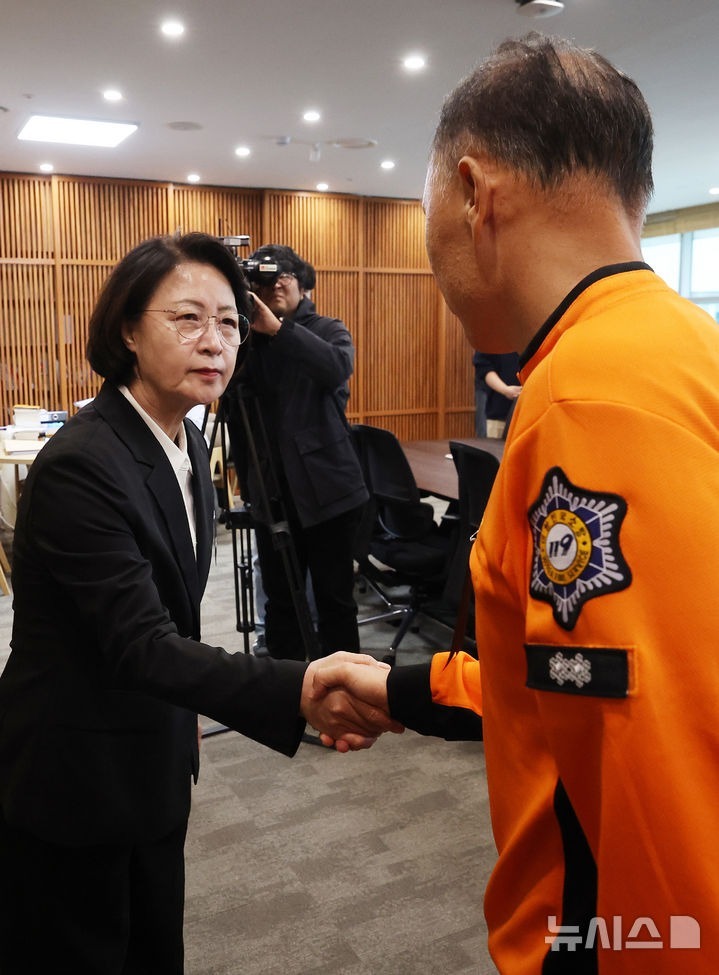
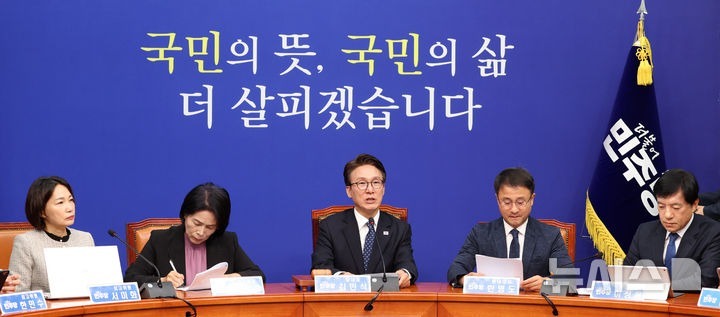
Previously, Governor Choo faced backlash from firefighters over her National Assembly inspection remarks, and when visiting the bier of a firefighter who died in the line of duty on the 17th, she sparked further controversy with the phrase "since you are asking for an apology." Subsequently, when Democratic Party member Bu Seung-chan used a similar expression, the Democratic Party's Supreme Council decided on the 21st to issue warnings to both individuals.
Governor Choo's office at the time stated: "We humbly accept the party's warning decision and will exercise caution in our words and actions going forward."
However, two days later, the "political burning at the stake" remark sparked unified opposition from the opposition camp.
The Gyeonggi Province branch of the People Power Party issued a commentary under the name of spokeswoman Kim Han-seul on the 26th, criticizing: "After phantom discipline, the answer that returned was not the heavy self-reflection urged by the party, but an unexpected readiness for burning at the stake."
The provincial party stated: "The governor who attended the funeral service of a firefighter who died while fighting a fire came up with a metaphor for her own political burden—and of all things, that metaphor was 'burning at the stake,'" and claimed: "This is deception wearing the mask of an apology, playing the victim."
In particular, they characterized the Democratic Party's warning measure as "phantom discipline" and also raised questions about the leadership's responsibility.
In fact, the Democratic Party's warning measure became embroiled in controversy immediately after its announcement regarding whether it constituted an official disciplinary action. The Democratic Party's Party Rules No. 7, "Ethics Court Regulations," defines warning as a disciplinary measure that issues written caution to the subject.
However, on the 21st, Democratic Party spokesperson Cho Gye-won explained that the warning constituted a disciplinary action but was not an emergency disciplinary measure, and party staff stated they could not confirm whether disciplinary procedures under party rules were conducted. At the time, it was reported that Governor Choo's office did not receive separate written notification either.
The Gyeonggi Province branch of the People Power Party stated: "The shallow tactics of the Democratic Party leadership, covering up the matter with phantom discipline without a single piece of paper, have been exposed before the unrestrained insubordination and arrogance of one of the party's provincial governors," and urged official disciplinary action in accordance with party rules.
Reform Party member of parliament Lee Jun-seok (Hwaseong, Gyeonggi) also criticized Governor Choo on SNS on the 25th, asking if she was trying to become "Joan of Arc" by highlighting Gyeonggi Province's fiscal difficulties. In particular, he noted that Governor Choo was Justice Minister and Cabinet member under the Moon Jae-in administration in 2020 when firefighters' conversion to national employment was implemented, arguing that responsibility from the previous government should also be held to account.
As the controversy stemming from firefighting fiscal issues has expanded into political disputes surrounding Governor Choo's subsequent remarks and the Democratic Party's disciplinary procedures, the legal and party-rule nature and effectiveness of the warning decided by party leadership have again emerged as points of contention.
Loading comments…