



Feature Suwon Special City's 4 Years of Unfulfilled Hopes...Next Year, Heading to a Truly Realized Suwon Special City
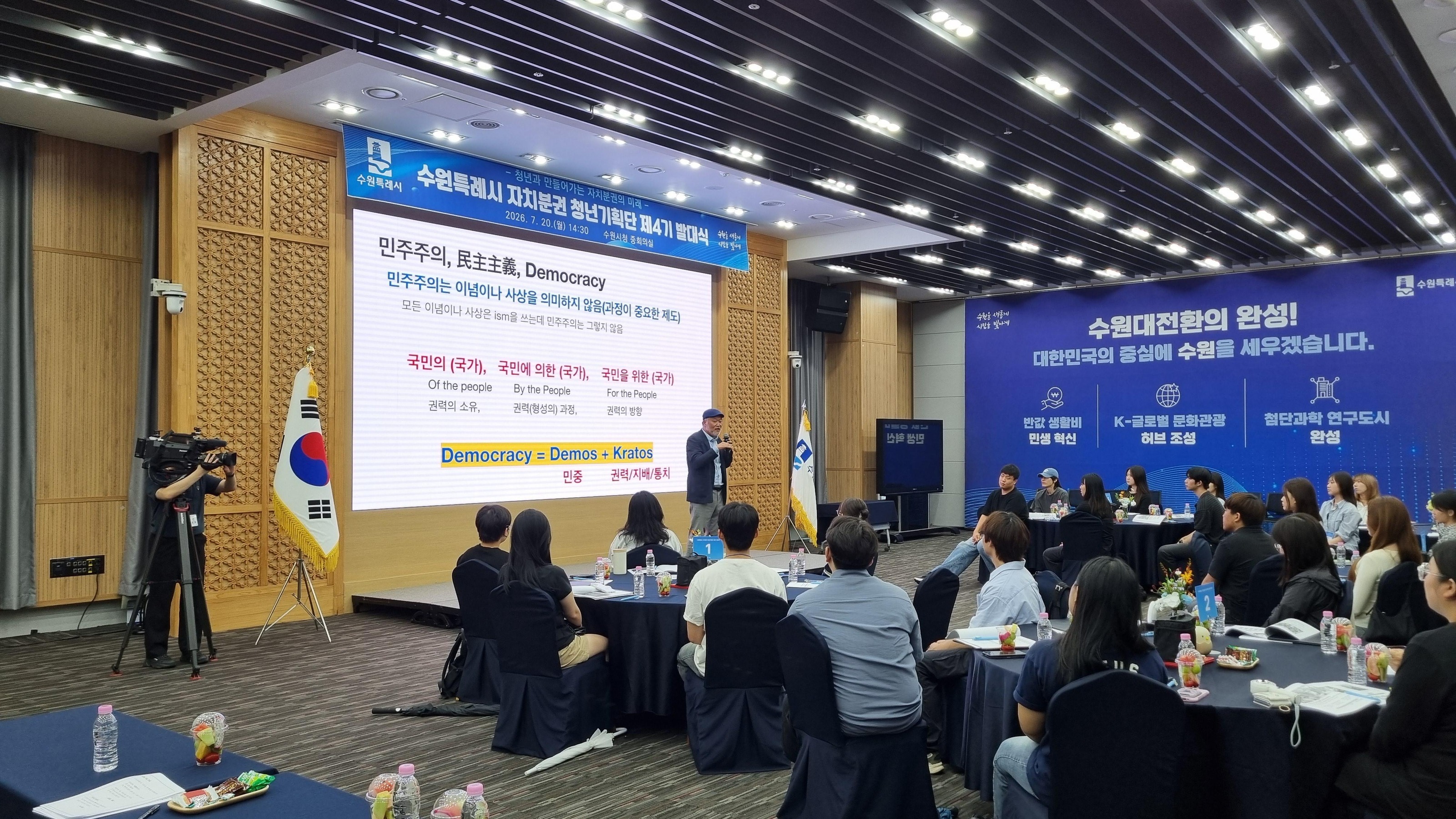
In 2022, Suwon was given the somewhat special designation of "Suwon Special City." However, as a special city, there were no notable authorities to enjoy. Though delayed, fortunately the "Special Act on Support for Special Cities" was promulgated on June 2 and is set to take effect next year.
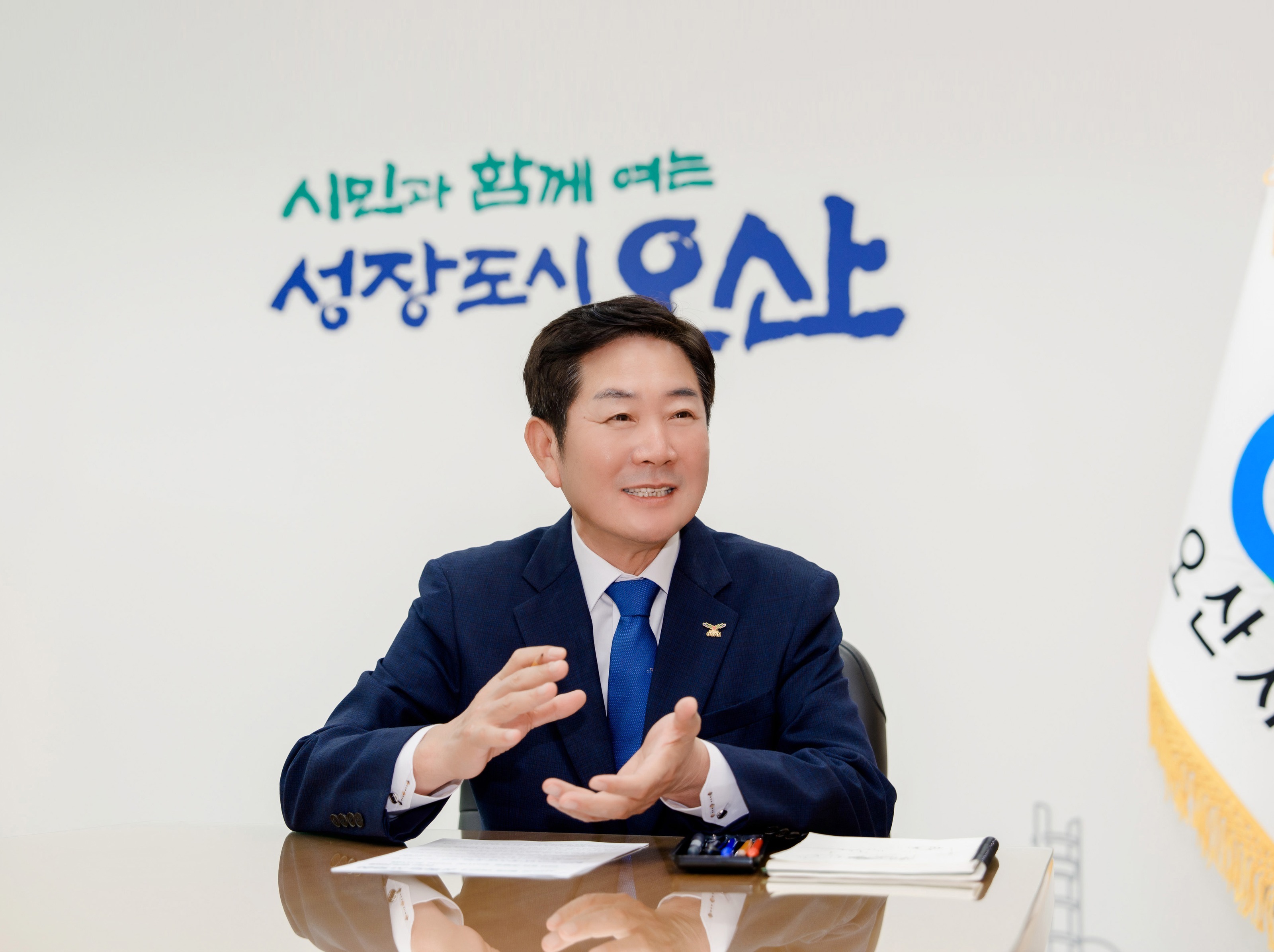
Lee Jae-joon, Mayor of Suwon Special City, said, "As the institutional framework has been established four years after the launch of the special city, I will fulfill my role to ensure that citizens experience substantive changes they can feel."
Next year, which marks five years since the designation of the special city name, is expected to usher in the path of a truly realized special city. Ahead of "Local Autonomy and Balanced Development Day" on the 29th, we examine the current state of local autonomy that Suwon Special City can experience following the implementation of the special city special law.
Suwon Special City to Find Its Place Next Year
The Special Act on Support for Special Cities stipulates 27 special administrative tasks in its schedule. These are tasks that have been decided to be transferred from the provincial level to special cities through deliberation by the Local Government Development Committee and Local Autonomy and Decentralization Commission. Adding six tasks stipulated by individual laws, the total special administrative tasks amount to 33 items.
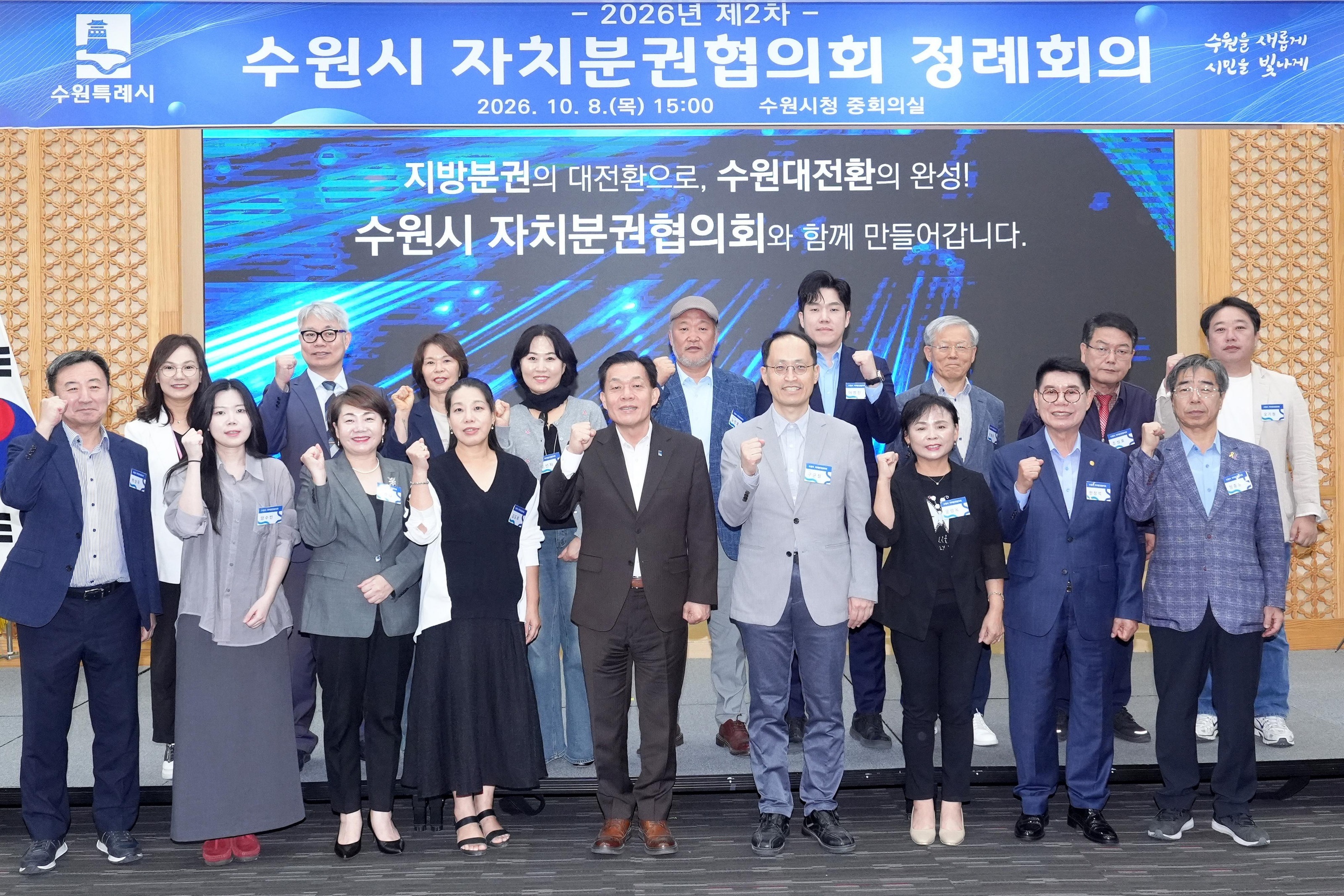
Suwon Special City particularly anticipates the expansion of local autonomy and decentralization in the urban development sector. The procedural steps for "construction permits for large-scale buildings" coming to Suwon City will be reduced. This is because the prior approval of provincial authorities that was previously required for permits for buildings of 51 stories or higher or with a total floor area of 200,000 ㎡ or more can be omitted and processed directly. This means that the permit stages for large-scale buildings like Starfield Suwon will be streamlined.
It can directly "establish tourism site designations and development plans necessary for tourism development," and by establishing Suwon Special City's own "Industrial Complex Development Support Center and Local Industrial Complex Planning Review Committee," it can simplify industrial complex development procedures tailored to its characteristics.
Existing "specific outdoor advertising zones" like Gwanggyo District and Hoemae District were designated upon request to Gyeonggi Province, but now can be directly designated and managed to match local characteristics. The pace of old downtown urban renewal also accelerates. Originally, "remodeling basic plans" had approval authority with Gyeonggi Province, but this authority is being transferred to Suwon Special City.
When pursuing policies such as "establishing basic plans for metropolitan-area-wide transportation management and designating/rescinding special measures districts" and "applying price caps for new housing and designating/rescinding adjustment target areas," the Mayor of Suwon Special City now has a basis for submitting opinions.
Securing Special City Legal Status and Fiscal Autonomy Are Urgent Priorities
The passage of the special city special law does not accomplish everything. The issue is financial solutions. For the special city, which has led changes in the local autonomy system for the first time in 30 years, not to remain "half-realized," securing fiscal authority is as important as legal status.
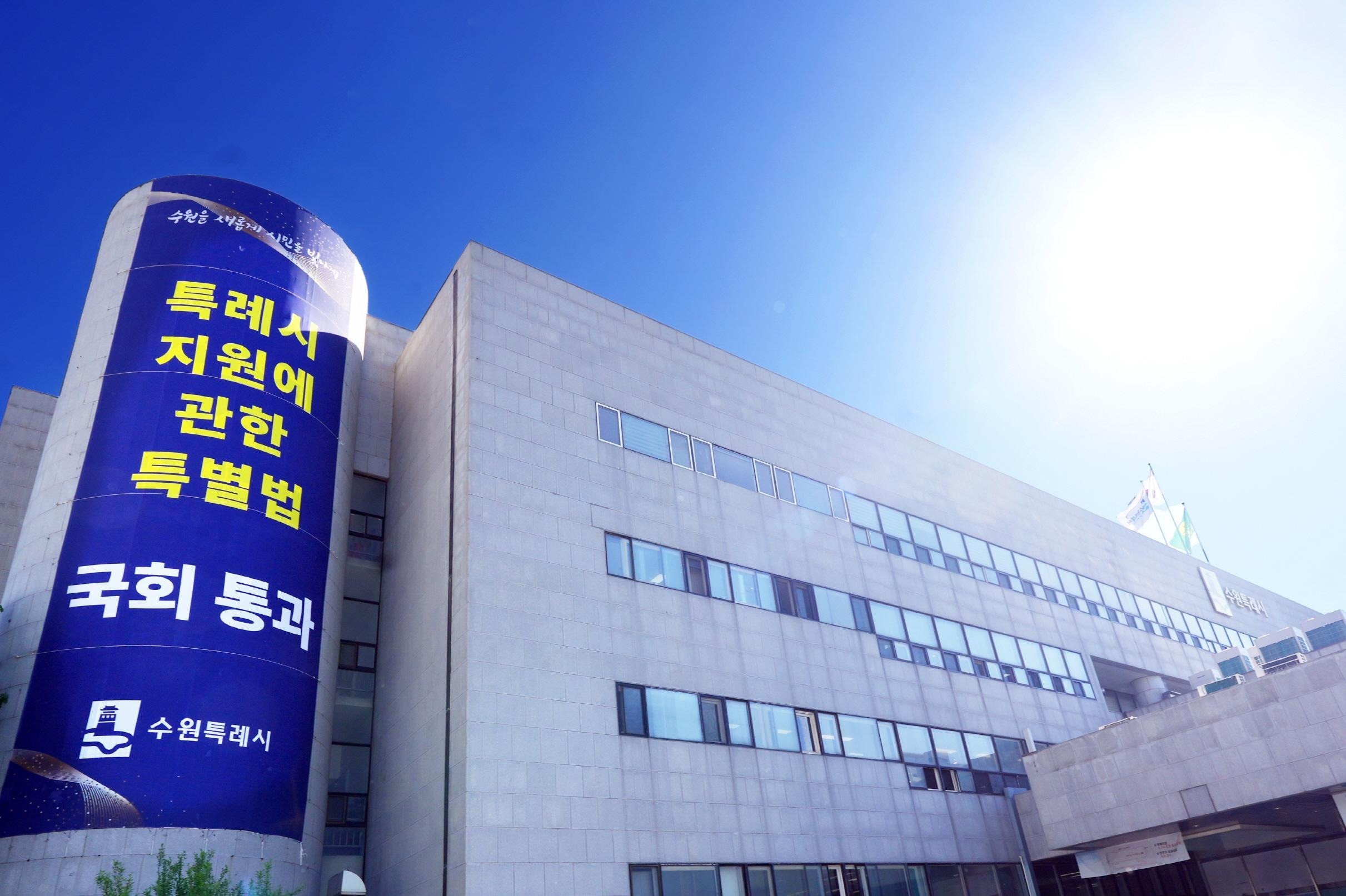
For special cities to properly carry out the authority and responsibility they have been granted, they need corresponding fiscal autonomy as well.
Based on 2026, Suwon City ranks 11th nationally in fiscal independence, an index of revenue decentralization, while its fiscal autonomy, which reveals expenditure decentralization, ranks 130th, showing a significant gap. Despite high revenues, there is little money to spend.
Based on the 2026 budget, the per capita local tax burden nationwide was 789,000 won, while citizens of the four special cities paid 1,069,000 won per capita, which is 35% higher. However, the per capita local expenditure budget nationwide was 8,299,000 won compared to 3,016,000 won for special cities, which is 36% of the national average. This means that special city residents paid more local taxes but received fewer benefits.
Accordingly, measures to amend the Local Finance Act to raise the adjustment grant fund resources from 47% to 67%, and to amend the Local Tax Collection and Distribution Act enforcement ordinance to raise the provincial tax distribution rate from the current 3% to 10%, must be implemented. If these fiscal privileges are secured, Suwon Special City's revenues are estimated to increase by approximately 40 billion won.
Local Autonomy and Decentralization Led by Youth
In addition to operating a Local Autonomy and Decentralization Council with expert participation, Suwon operates a youth planning group to engage the younger generation as subjects of participation. It is important for more citizens to take interest in autonomy and decentralization.
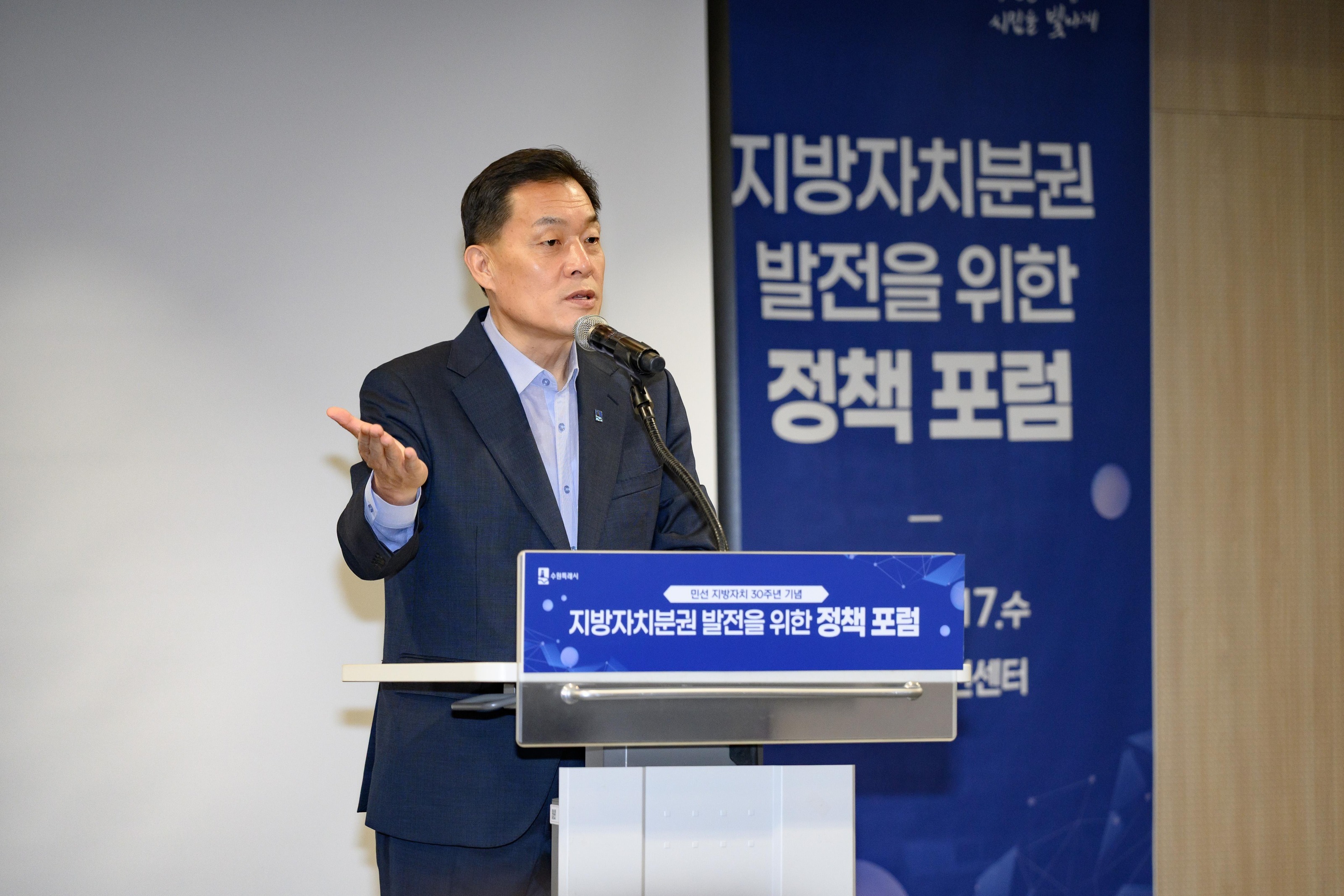
The future of Suwon's local autonomy and decentralization is being prepared by the Suwon Special City Local Autonomy and Decentralization Youth Planning Group. The youth planning group, first composed in 2023, involves some 30 young people and college students from Suwon in activities to understand and strengthen capacity in local autonomy and decentralization.
A citizen council has also been formed to lead the effort to communicate the necessity of local autonomy development and decentralization to all Suwon citizens. This is the "Special City Development Suwon Citizens Forum," launched in 2024 with 59 members currently active.
Suwon City supports the hosting of policy discussions and related academic conferences based on the "Suwon City Local Autonomy and Decentralization Promotion Support Ordinance."
Lee Jae-joon, Mayor of Suwon Special City, said, "Ahead of the implementation of the Special Act on Support for Special Cities in June next year, we will prepare follow-up measures including the establishment of special city regional plans and transfer of new special administrative tasks without gaps, to properly respond to special city administrative needs."

Loading comments…